Download

1 / 5
50 likes | 188 Views
The Progressive Era marked a transformative time in American governance and social reform aimed at reducing corruption and enhancing democratic participation. Key changes included direct primaries for candidate selection, the 17th Amendment allowing direct Senate elections, and mechanisms such as initiatives, referendums, and recalls that empowered citizens. Additionally, consumer and labor protections emerged through the establishment of building codes, the Pure Food and Drug Act, and worker compensation laws. Moral reforms, led by movements like the Anti-Saloon League, culminated in Prohibition, reshaping societal norms.

E N D
I. Government and Legislative Reform • Restructuring Government • New forms of city government • City government changed to prevent “machine” rule • Developed city management plans • Changes in state government • Direct primary – voters not party bosses choose candidates for general election • 17th Amendment – direct election of Senators • Initiative – citizens able to introduce legislation • Referendum – proposed legislation submitted to voters for approval • Recall – allowed voters to remove an elected official from office by holding a special election
Consumer Protection • City officials established building codes • Pure Food and Drug Act established the Food and Drug Administration to protect consumers from unsafe medicines and meats
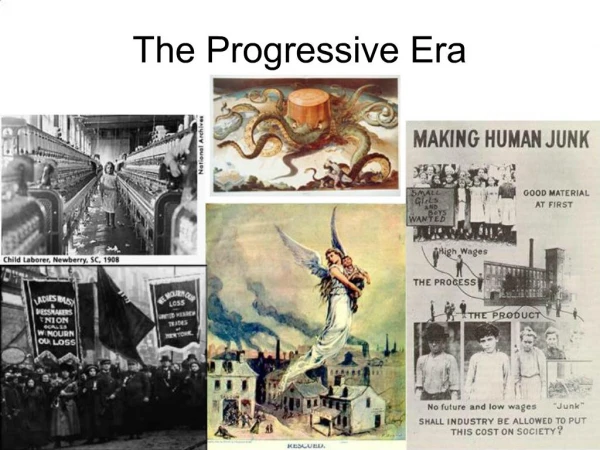
Labor Reform • Worker compensation laws passed in most states by 1916. • Minimum age requirement of child worker’s set. • Mueller v. Oregon (1908) limited women’s working hours
Moral Reform • Anti-Saloon League (1893) intensified the long-standing campaign against drunkenness and its cost to society. Joined Women’s Temperance Union • 18th Amendment – outlawed sale, manufacturing, and transportation of liquor • Prohibition