Download
1 / 16
170 likes | 278 Views
Triage, Referral and Caring for the Community. Richard Kadison M.D. Chief, Mental Health Service Harvard University Health Service. Coordinating Care. Resources Restrictions Realities. Resources. What are the available staff? How many prescribers?

E N D
Triage, Referral and Caring for the Community Richard Kadison M.D. Chief, Mental Health Service Harvard University Health Service
Coordinating Care • Resources • Restrictions • Realities
Resources • What are the available staff? • How many prescribers? • What are the programs:Therapies, Wellness • Community Resources • Insurance Coverage • Medication Coverage
Data • 2000 National College Health Assessment 16000 students 20 public and 8 private colleges around US • 9.4% Seriously considered suicide • 93% of students felt overwhelmed • 44.5% felt so depressed, hard to function • 65% of students report feeling hopeless
Data • Antidepressant sales increased 800% since 1990 10.7 billion dollars 2001 • Medication is very expensive • 9.3% students seen in counseling • 17% students who are seen are on antidepressants nationally
Data • Directors report a significant increase in acuity and severity- 2002 AUCCD • 65% of schools have psychiatric services on campus
Suicide • Rate 7.5/100,000 in college which is half the rate of age matched population • More younger men are successful but equalizes as group gets into early 20’s • About 1% of students make attempts • Risks increase with age- graduate school
Parallel Problems • 40-45% of College Students Binge drink- no change from 1993-2001 (Wechsler) • 3-5% of students have serious eating disorders (Bulimia and Anorexia) with mortality rates of 5-15%
Restrictions • Stigma • Health Care information- Parents • Managed Care changes • University Budgetary Concerns
Restrictions • Student Mentality • Health Care Costs • DNKA (did not keep appointment • Disability and Learning problems
Realities • Reduce stigma for Care • Normalize the problems • Outreach Needed • Managed Care changes • Diminished community resources • Confidentiality
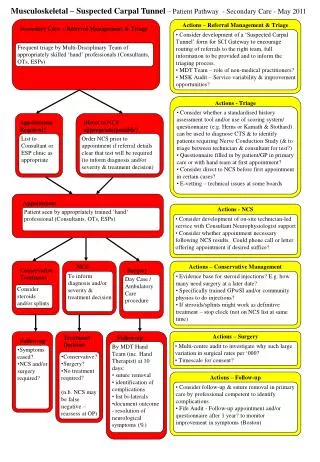
Access Structure • Triage system- Brief contact with clinicians • Philosophy of Care: How much care for whom- development vs. serious mental illness • Referrals: to whom • Central Schedule • Reporting ( visits, new students)
Caring for the community • Outsourcing • Outreach to students, faculty, and staff • Consultation role to University
Coordination • After Hours coverage: Who and Where • Medical Leave- reentry and policy • Identifying Students at Risk • Contact with Deans/ residential staff • Confidentiality- Handbook notification of medical leave and hospital admission
New Directions and Issues • Web- Self screening, alcohol education, health information • Web- staff listing, groups, policies, • Parents information and orientation • Future of in loco parentis • Email • Documentation and diagnosis • Student involvement in programs and feedback
Summary • Triage and rapid intake crucial • Outreach and Education • Clear philosophy about Resource Utilization • Student involvement in programs and development