Employee Feedback Statistics
Feedback isnu2019t just about pointing out mistakesu2014itu2019s about encouraging growth, recognizing achievements, and fostering a culture of continuous improvement. Companies that implement structured feedback practices also see lower turnover and higher overall job satisfaction.<br><br>For a detailed report with more insights and employee feedback statistics, you can check it out here: https://market.biz/employee-feedback-statistics/<br><br>In short, giving employees regular, constructive feedback is a win-win: it benefits the individual, strengthens the team, and improves overall organizational performance.


Employee Feedback Statistics
E N D
Presentation Transcript
Employee Feedback Statistics: Trends, Insights, and What They Mean for Modern Workplaces Employee feedback has evolved from an annual HR ritual into a strategic driver of business success. Modern organizations are recognizing that consistent, meaningful communication between managers and employees directly impacts engagement, productivity, and retention. Recent employee feedback statistics clearly show that companies investing in structured feedback systems outperform those that do not. The Growing Importance of Continuous Feedback Traditional annual performance reviews are no longer enough. Today’s workforce expects ongoing conversations about performance, growth, and expectations. According to recent employee feedback statistics, 65% of employees say frequent feedback increases their engagement at work. Engagement is not just about satisfaction—it influences productivity, innovation, and commitment. Additionally, 83% of employees prefer feedback at least once a month, with a significant portion favoring weekly check-ins. This shift highlights the need for managers to adopt a continuous feedback approach rather than relying solely on yearly evaluations. Employees want clarity, direction, and recognition in real time. The Link Between Feedback and Productivity
One of the most compelling employee feedback statistics is that teams receiving regular, actionable feedback experience a 23% increase in productivity. When employees understand expectations and receive constructive guidance, they perform more efficiently and confidently. Feedback eliminates uncertainty. Instead of guessing whether their performance meets expectations, employees gain direct insights into how they can improve. Clear communication reduces errors, aligns teams with company goals, and strengthens accountability. Moreover, actionable feedback—specific, measurable, and solution-oriented—has a much stronger impact than vague praise or criticism. Employees need direction, not general statements. Organizations that train managers in effective feedback delivery often see measurable improvements in overall performance. Employee Feedback and Retention Rates Retention is one of the biggest challenges companies face today. High turnover leads to increased recruitment costs, lost knowledge, and disrupted workflows. Employee feedback statistics reveal that employees who receive regular feedback are 27% less likely to leave their jobs. Furthermore, 74% of employees who feel heard are more likely to stay with their organization long-term. Feeling heard goes beyond receiving instructions—it involves open dialogue, active listening, and acting on employee suggestions. When feedback flows both ways, trust grows. On the other hand, nearly half of employees who resign cite lack of feedback as a contributing factor. This shows that silence from leadership can be as damaging as negative communication. Regular check-ins can significantly reduce disengagement and voluntary turnover. Generational Shifts in Feedback Expectations Workforce demographics also influence feedback preferences. Younger generations, particularly Gen Z and millennials, expect frequent and transparent communication. They value real-time feedback and professional development discussions over traditional annual reviews. Employee feedback statistics indicate that younger employees are more likely to disengage if they do not receive consistent guidance. For them, feedback is directly tied to career growth and skill development. Organizations that fail to adapt to these expectations risk losing emerging talent. Understanding generational differences allows companies to tailor their feedback strategies. While structured performance appraisals remain important, supplementing them with ongoing conversations creates a more balanced and effective system. Acting on Feedback: The Missing Piece Collecting feedback is only part of the equation. A significant percentage of employees report that while feedback is gathered, it is rarely acted upon. Transparency plays a crucial role in
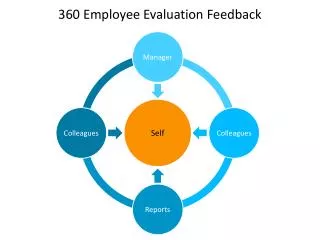
maintaining trust. When employees see their suggestions leading to real improvements, engagement strengthens. Organizations that close the feedback loop—by communicating what changes are being made and why—build credibility. This reinforces a culture where employees feel valued and respected. The Future of Employee Feedback Systems Looking ahead, employee feedback statistics suggest a growing adoption of digital tools and AI-powered platforms. Real-time surveys, pulse checks, and 360-degree feedback systems are becoming more common. These tools make feedback faster, data-driven, and more personalized. Technology enables managers to track performance trends, identify skill gaps, and deliver targeted coaching. However, while tools enhance the process, human communication remains essential. Authentic conversations, empathy, and clarity cannot be replaced by automation. Conclusion The latest employee feedback statistics highlight a clear trend: continuous, actionable, and transparent feedback is essential for modern workplace success. Organizations that prioritize regular communication see higher engagement, increased productivity, and stronger retention rates. Feedback is no longer just an HR function—it is a strategic advantage. Companies that embrace open dialogue and invest in effective feedback systems position themselves for long-term growth in an increasingly competitive business environment.