Download

1 / 2
0 likes | 8 Views
Discover the power of planned giving in reducing capital gains taxes while supporting charitable causes close to your heart

E N D
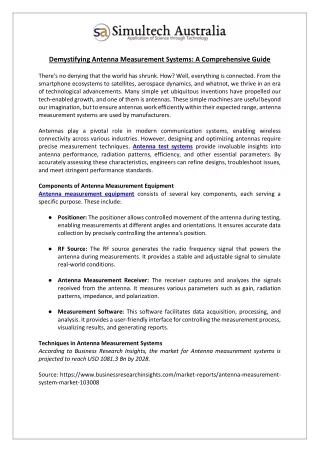
Introduction Planned giving is a powerful tool that allows individuals to leave a lasting legacy while supporting the causes they care about. However, many donors find the concept of planned giving to be complex and intimidating. In this comprehensive guide, we will demystify planned giving and provide donors with the knowledge and resources they need to make informed decisions about their philanthropic endeavors. Demystifying Planned Giving: A Comprehensive Guide for Donors Planned Giving: What is it? Planned giving refers to the process of making a charitable donation as part of an individual's overall financial or estate plan. Unlike traditional donations made during one's lifetime, planned gifts are typically structured to take effect upon the donor's death or at a specific future date. Why https://s3.us-west-1.amazonaws.com/harmonyandhealing/uncategorized/guide-to-planned.html Should You Consider Planned Giving? Planned giving offers numerous benefits for both donors and charitable organizations. From a donor's perspective, it allows them to support causes they are passionate about and leave a meaningful legacy. Additionally, planned giving can provide tax advantages and financial benefits for donors and their heirs. For charitable organizations, planned giving provides a reliable source of long-term funding that enables them to continue their important work well into the future. By investing in planned giving programs, nonprofits can secure their financial stability and expand their impact on the community. Types of Planned Gifts There are several different types of planned gifts that donors can choose from, depending on their individual circumstances and philanthropic goals. Some common types of planned gifts include: Bequests: Bequests are gifts made through a donor's will or trust. They allow individuals to designate a specific amount or percentage of their estate to be given to a charity upon their death. Charitable Gift Annuities: Charitable gift annuities involve making a donation to a charity in exchange for fixed income payments for life. This allows donors to support their favorite causes while also receiving a financial benefit. Charitable Remainder Trusts: Charitable remainder trusts involve transferring assets to a trust, which then pays income to the donor or other beneficiaries for a certain period of time. After the trust term ends, the remaining assets are given to a charitable organization. Charitable Lead Trusts: Charitable lead trusts work in the opposite way of charitable remainder trusts. In this case, income is paid to a charity for a certain period of time, and then the remaining assets are passed on to the donor's heirs. Life Insurance Policies: Donors can name a charity as the beneficiary of their life insurance policy, allowing them to make a substantial gift without affecting their current financial situation. Retirement Accounts: By designating a charity as the beneficiary of their retirement account, donors can support causes they care about while potentially reducing estate taxes for their heirs. FAQs about Planned Giving What is the difference between planned giving and regular donations? Planned giving involves making donations that will take effect at a future date or upon the donor's death, while regular donations are made during one's lifetime. Do I need to be wealthy to engage in planned giving?
No, planned giving is not exclusive to wealthy individuals. There are many different types of planned gifts that can accommodate various financial situations and philanthropic goals. Will my family be affected by my planned giving decisions? It is important to involve your family in discussions about your planned giving decisions to ensure that everyone is aware of your intentions and understands how it may impact them. Can I change my planned giving arrangements in the future? Yes, planned giving arrangements can typically be modified if your circumstances change or if you wish to support different causes in the future. How do I choose which charities to include in my planned giving? Consider your personal values, passions, and the impact you wish to make. Research and vet charities to ensure they align with your goals and have a strong track record of effectiveness. Are there any tax benefits associated with planned giving? Yes, many planned gifts offer tax advantages, such as reduced estate taxes or income tax deductions. It is recommended to consult with a financial advisor or estate planning professional for personalized guidance. Conclusion Demystifying planned giving is essential for donors to confidently navigate this impactful philanthropic strategy. By understanding the different types of planned gifts, their benefits, and the considerations involved, donors can make informed decisions that align with their values and create a lasting legacy. Whether it's through bequests, charitable gift annuities, or other planned giving options, donors have the power to make a significant difference in the world while optimizing their financial plans.