Download

1 / 8
90 likes | 168 Views
Dive into the world of Neogene planktic foraminifers and their role in understanding changes in ocean circulation patterns over time. Explore how shifts in surface water, deep ocean currents, and nutrient availability have impacted the distribution of foraminifers. Join the Mohawk Guy and his band of foraminifer friends on a journey through geological events that have altered ocean circulation. Discover how environmental triggers, such as seasonal variations and climatic shifts, influence the biological dynamics of foraminifer populations within a typical tropical ocean setting. Delve into the significance of the Geologic Time Scale and the distribution patterns of foraminifers to unravel the complex interplay between species and their changing habitats.

E N D
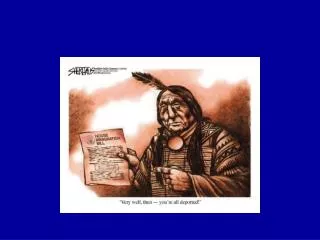
“Mohawk Guy” and his Band of Neogene Planktic Foraminifer Friends
Ocean Circulation • We have one big ocean, separated into a number of basins • One thing can affect another, even if it is in another region
Changes in Ocean Circulation • Changes to ocean circulation patterns in the past have changed the temperature of ocean water • Surface water, deep ocean circulation and the location of the thermocline may be affected • Availability of nutrients may also be affected • ……This will result in a change to foram structure and distribution throughout time
JOIDES ResolutionODP Leg 130, Hole 806 B • 0 19.11’ N, 159 21.69’ E • February 18, 1990 – February 22, 1990 • 230 samples examined (110 planktonic foraminifer species identified)
Important Concepts – Biological/Environmental • Changes in a population can be triggered by environmental causes • seasonal changes, dissolved oxygen, pH, temperature, water clarity, salinity or depth • As one species becomes extinct, other species may move into that niche and replace it. • EX: hunting wolves to extinction can lead to an explosion in deer populations. • climactic changes can cause populations to move into different regions