Engaging New Audiences Through Storytelling with OECD Data
This presentation explores innovative methods for utilizing storytelling to effectively reach new audiences with OECD data. It highlights three key services offered by OECD: OECD.Stat for specialists, OECD Core Data for quick access tables, and Facts & Figures which present data with commentary and visuals aimed at broader public engagement. We discuss tools for data visualization, the importance of creating compelling narratives, and the challenges in making data more interactive and discoverable. Join us to learn how to transform data into meaningful stories that resonate with diverse audiences.

Engaging New Audiences Through Storytelling with OECD Data
E N D
Presentation Transcript
Using storytelling to reach new audiencesfor dataEileen Capponieileen.capponi@oecd.orgESDS International Conference,3 December 2007
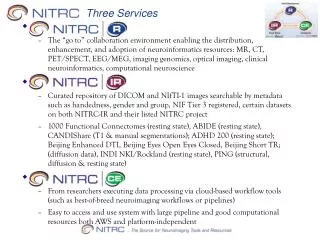
The three services • OECD.Stat • Complete databases for specialists who have the time to fully exploit the data • OECD Core Data • Ready-made tables for a wider audience • OECD Facts & Figures • Ready-made tables with commentary and graphics, for a broad audience, interested in a “story”
1. OECD.Stat • Interface for specialists that have time to fully exploit data across OECD datasets • A view on the entire OECD.Stat cube and more • Search across and inside datasets • Accompanied by detailed metadata • Users can navigate to any theme • Build-it-yourself service • Users can save data queries for reuse • Ability to export data in various formats
2. OECD Core data • Simple interface aimed at specialists and non-specialists audiences • 500-1000 ready made tables • Frequently requested tables which are quick to access and easy to understand • Take away service • Easy to reuse in reports or presentations • Uniquely identified and easy to locate • Links to the source database and all statistics
3. Facts and Figures: key features • Ready-made tables with commentary • Aimed at a wide audience, easy to understand • Tells a story about the data • Easy to find, even if you don’t know the jargon • Certified by OECD and reusable • No access control • Data visualisation tools make the story more engaging • Data education tool for non-specialists • Building a space for interaction with the users?
Facts and Figures: existing material • OECD Factbook and other webbooks http://www.sourceoecd.org • Available online (html + xls +PDF) • Available as a database • Available as a USB key • Available in print (4-colour publication)
Other Facts & Figures Graphs with commentary from • OECD Observer – databank • publications • press releases • OECD’s web site www.oecd.org • etc.
Facts and Figures: challenges ahead • Making the data interactive • Creating new Facts and Figures • Making the Facts and Figures discoverable
1. Making the data interactive Many visualisation tools available: The Swivel experiment in 2007 • www.swivel.com • www.many-eyes.com Pilot visualisations for Factbook 2008 • New graphing tool using Flex and SDMX • Mapping tools? (example on www.imf.org) “Gapcasts” • www.youtube.com (search for Hans Rosling, Chile)
2. Creating new Facts and Figures • Not so easy to find “a good story” in the data • Statisticians hesitant to strip away footnotes and technical language. • Takes time to develop a good story and make the data interactive
3. Making F&Fs discoverable • Display them prominently on SourceOECD and on the main website • Creating publishing metadata • How to organise the Facts and Figures?
Thank you! Questions …