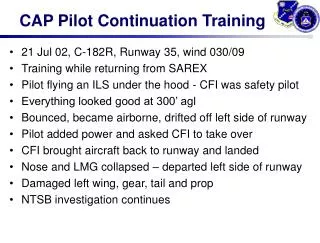

HIGH ICE, Continuation
E N D
Presentation Transcript
HIGH ICE, Continuation Some glacier image analysis capabilities
Glacier mapping using simple ratios of ASTER band 7 (2.25) / band 1 (0.56) - 0.25 threshold (Water mapped with NDWI) VNIR bands 321 RGB 2001, Sep. 6 -- GLIMS GAINS: 123 LOW, 456789 HIGH Rick Wessels 12/01
Supraglacial Lakes From Wessels, Kargel, and Kieffer 2002, Annals of Glaciology
Ngozumpa Glacier, Nepal Monitoring Supraglacial and Proglacial Lakes Use ASTER data for: • Measure lake turbidity • Measure temperature for larger lakes • Monitor changes in lake location and size 2000 Sept. 28 ASTER L1B Image shows that lake has receded back to 1998 levels in year 2000. Lower brightness temperatures over lakes with higher turbidity Small lakes prone to temp error because of large TIR pixel size. Pre-2000 lake outlines from Benn and others, 2000
ASTER Level 2 relative DEM over western Axel Heiberg Island glaciers ASTER 3N
Western British Columbia - ASTER RGB draped over ASTER derived DEM View from top of Llewellyn Glacier Destriped ASTER L1A version 2 VNIR bands 321 RGB August 8, 2001 GLIMS GAINS: 123 LOW, 456789 HIGH Rick Wessels 10/01 www.GLIMS.org
N Tasman glacier, New Zealand Mt. Cook Courtesy of Andreas Kaeaeb 25 km