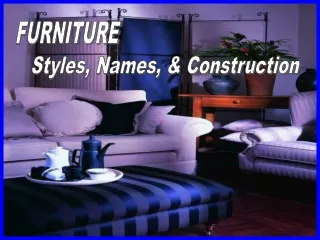
Furniture
E N D
Presentation Transcript
Furniture: Enhancing Your Space with Style and Functionality Furniture is an integral part of our lives, providing functionality, comfort, and aesthetic appeal to our living spaces. Whether it's a cozy home or a professional office, the right furniture can transform any environment into a welcoming and functional space. In this article, we will delve into the world of furniture, discussing its importance, the process of choosing the right pieces, exploring different styles and materials, designing functional living spaces, and providing maintenance tips to keep your furniture looking its best. 2. The Importance of Furniture in Our Lives Furniture plays a vital role in our daily lives for several reasons: a. Functionality: Furniture serves practical purposes, offering us comfortable seating, convenient storage, and suitable surfaces for various activities. From sofas and beds to tables and cabinets, each piece
serves a specific function, making our lives easier and more organized. b. Comfort: Comfort is a key aspect of furniture. A well-designed chair or a plush sofa allows us to relax and unwind after a long day. Quality mattresses provide a restful sleep, and ergonomic office chairs ensure proper support during work hours. c. Aesthetics: Furniture contributes to the overall aesthetics of a space. The style, color, and design of furniture pieces create a specific ambiance, reflecting our personal taste and enhancing the visual appeal of our surroundings. d. Expression of Personal Style: Furniture allows us to express our unique personality and style. Whether we prefer modern and sleek designs or vintage and rustic charm, the furniture we choose showcases our individuality and creates a personalized environment. 3. Choosing the Right Furniture for Your Home: Selecting the right furniture for your home involves careful consideration of various factors: a. Space and Layout: Evaluate the available space in each room and consider the layout. Determine the dimensions of the furniture that will fit comfortably and allow for easy movement within the room. It's essential to strike a balance between functionality and creating an open, inviting atmosphere. b. Purpose and Lifestyle: Consider the purpose of each room and your lifestyle. Are you looking for a formal dining area, a cozy living room, or a functional home office? Assess your needs, such as storage requirements or seating capacity, to guide your furniture choices. c. Comfort and Ergonomics: Prioritize comfort and ergonomics when selecting furniture, especially for pieces intended for long-term use. Test seating options to ensure adequate support and comfort. Look for features like adjustable heights, lumbar support, or padded armrests, depending on the intended use.
d. Quality and Durability: Invest in high-quality furniture that will stand the test of time. Consider materials, construction techniques, and reputable brands known for their craftsmanship. Well-built furniture will be more durable, saving you from the hassle and expense of frequent replacements. e. Budget: Set a budget for your furniture purchases. Explore different price ranges and balance cost with quality. Remember that furniture is an investment, and it's often worth spending a little more for better quality and longevity. 4. Exploring Different Furniture Styles: Furniture encompasses a vast array of styles, catering to various tastes and design preferences: a. Modern and Contemporary: Modern and contemporary furniture features clean lines, minimalistic designs, and a focus on functionality. It embraces simplicity and often incorporates materials like metal, glass, and leather for a sleek and streamlined look. b. Traditional and Classic: Traditional and classic furniture showcases timeless elegance and intricate details. It draws inspiration from historical periods and often features ornate carvings, rich wood finishes, and plush upholstery, creating a sense of luxury and sophistication. c. Rustic and Farmhouse: Rustic and farmhouse styles evoke a cozy and welcoming ambiance. These furniture styles often incorporate natural materials like reclaimed wood, distressed finishes, and earthy tones, exuding warmth and charm. d. Mid-Century Modern: Mid-century modern furniture pays homage to the design trends of the mid-20th century. Characterized by clean lines, organic shapes, and bold colors, this style combines functionality with artistic elements, creating a retro yet contemporary look.
5. Furniture Materials and Durability: Furniture is crafted using various materials, each with its unique characteristics and level of durability: a. Wood: Wood remains a popular choice for furniture construction. Different types of wood, such as oak, mahogany, or walnut, offer varying degrees of strength, beauty, and resistance to wear. Solid wood furniture is known for its longevity and natural appeal. b. Upholstery Fabrics: Upholstery fabrics play a significant role in the comfort and visual appeal of furniture. Fabrics range from natural fibers like cotton and linen to synthetic materials such as polyester or microfiber. Consider factors like durability, stain resistance, and texture when choosing upholstery. c. Metal: Metal, particularly steel or aluminum, is often used in furniture frames and legs. It provides strength and stability while adding a sleek and modern touch to the overall design. Metal furniture is highly durable and resistant to wear and tear. d. Leather: Leather furniture exudes luxury and sophistication. It is known for its durability, softness, and ability to develop a beautiful patina over time. Leather upholstery is an excellent choice for those seeking elegance and longevity. e. Synthetic Materials: Synthetic materials like plastic, acrylic, or laminate offer affordable and versatile options. These materials are often used in contemporary furniture design, providing ease of maintenance and a wide range of colors and finishes. 6. Designing Functional and Stylish Living Spaces: Creating functional and stylish living spaces involves thoughtful furniture placement and arrangement:
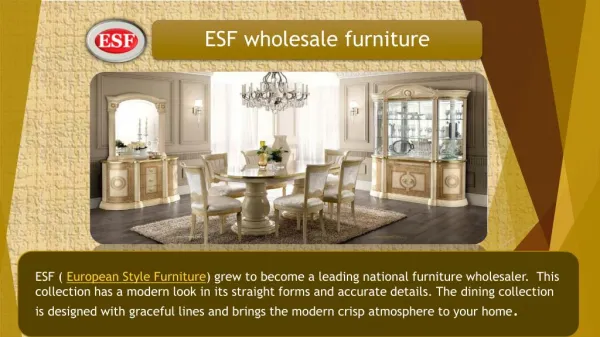
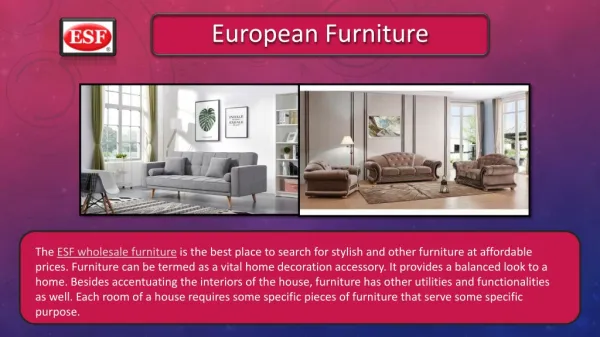
a. Focal Points: Identify the focal points in each room, such as a fireplace, a large window with a beautiful view, or a statement piece of artwork. Arrange furniture around these focal points to draw attention and create a harmonious visual flow. b. Traffic Flow: Consider the flow of movement within each room. Arrange furniture in a way that allows for easy navigation and does not obstruct natural pathways. Ensure that there is enough space for comfortable movement between furniture pieces. c. Balance and Proportion: Maintain a sense of balance and proportion when arranging furniture. Consider the scale of the room and the size of the furniture. Avoid overcrowding or leaving large empty spaces. Distribute furniture evenly to create a visually pleasing arrangement. d. Multi-Functional Furniture: Incorporate multi-functional furniture pieces to maximize space utilization. Look for items like storage ottomans, sofa beds, or extendable dining tables that offer additional functionality without compromising style. 7. Furniture for Specific Rooms: Different rooms in a home require specific types of furniture to fulfill their intended purposes: a. Living Room: The living room typically features furniture such as sofas, armchairs, coffee tables, and entertainment centers. These pieces create a comfortable and inviting space for relaxation, socializing, and entertainment. b. Dining Room: Dining room furniture includes dining tables, chairs, buffets, and display cabinets. These pieces facilitate enjoyable and functional dining experiences, accommodating both everyday meals and special occasions. c. Bedroom:
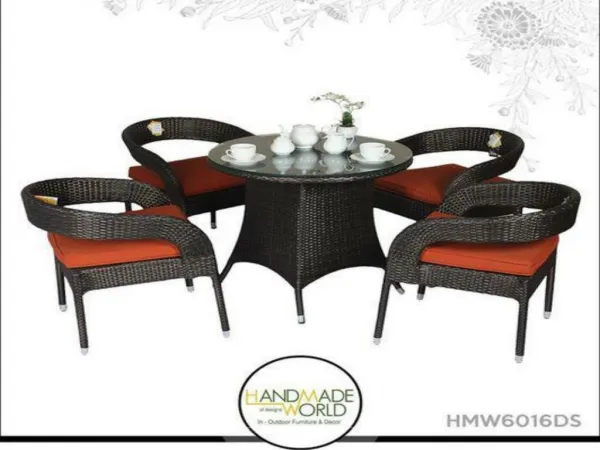
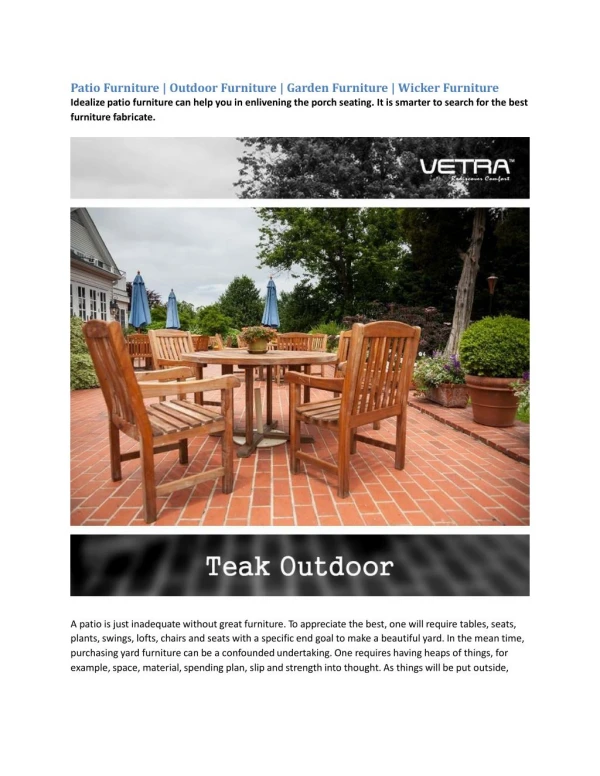
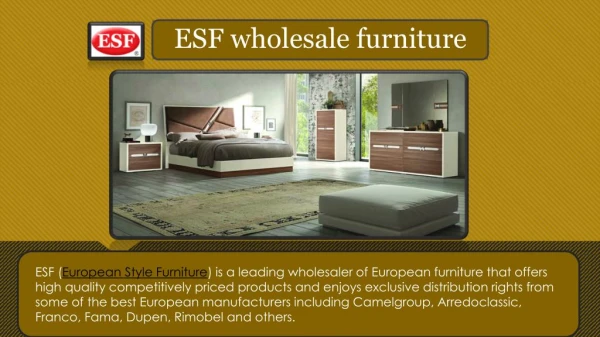
Bedroom furniture comprises beds, dressers, nightstands, and wardrobes. These pieces provide storage, comfort, and a tranquil atmosphere for rest and relaxation. d. Home Office: Furniture for a home office consists of desks, chairs, bookshelves, and storage units. These pieces contribute to a productive and organized workspace, supporting efficiency and focus. e. Outdoor Spaces: Outdoor furniture extends living spaces to the outdoors. Patio sets, loungers, and dining sets are designed to withstand the elements while providing comfort and style for outdoor gatherings and relaxation. 8. Maintaining and Caring for Your Furniture: Proper maintenance and care prolong the life and appearance of your furniture: a. Regular Cleaning: Dust furniture regularly using a soft cloth or vacuum cleaner with a brush attachment to remove dirt and debris. Use appropriate cleaning products based on the material of your furniture, following manufacturer recommendations. b. Stain Removal: Treat stains promptly to prevent them from setting. Follow specific instructions for stain removal based on the type of fabric or material. Blot liquids gently, and use a mild detergent or appropriate cleaning agents for tougher stains. c. Avoid Sun and Heat Exposure: Protect furniture from direct sunlight to prevent fading or discoloration. Use curtains, blinds, or UV-protective films to minimize sun exposure. Avoid placing furniture near heat sources, as extreme temperature changes can damage certain materials. d. Regular Maintenance Checks: Inspect furniture periodically for loose screws, hinges, or other hardware. Tighten or repair them as needed to maintain structural integrity. Lubricate moving parts, such as drawer slides or door hinges, to ensure smooth operation.
e. Upholstery Care: Rotate cushions regularly to distribute wear evenly. Fluff and reshape cushions to maintain their appearance. Follow care instructions for upholstery cleaning, such as vacuuming or professional cleaning, to keep fabrics fresh and vibrant. 9. Furniture Trends and Innovations: The world of furniture design is constantly evolving, with new trends and innovative features emerging: a. Sustainable Materials: Sustainable and eco-friendly materials are gaining popularity, with furniture designers incorporating materials like reclaimed wood, recycled plastics, and organic fabrics. This trend reflects a growing focus on environmental consciousness and responsible sourcing. b. Multifunctional Designs: Multifunctional furniture designs continue to gain traction, particularly in smaller living spaces. Examples include modular sofas with hidden storage compartments or coffee tables that can convert into dining tables. These designs maximize functionality without sacrificing style. c. Smart Furniture: Smart furniture integrates technology into everyday pieces, enhancing convenience and connectivity. Examples include coffee tables with built-in wireless charging pads, or adjustable beds with integrated USB ports and smart lighting controls. d. Customization Options: Furniture manufacturers increasingly offer customization options, allowing customers to personalize their furniture to fit their exact needs and preferences. From choosing fabrics and finishes to selecting dimensions and configurations, customization offers unique and tailored solutions. e. Retro Revival: Retro-inspired furniture styles are making a comeback, drawing inspiration from the mid- 20th century. Designs feature bold colors, geometric patterns, and curved forms, evoking
nostalgia while adding a touch of vintage charm to modern interiors. For more details visit Derzan.com 10. Conclusion: Furniture is an essential element of any living space, combining functionality, comfort, and style. By carefully selecting furniture that suits your needs, reflects your personal taste, and enhances the aesthetics of your home, you can create inviting and functional spaces that cater to your lifestyle. Remember to consider factors such as space, purpose, comfort, and quality when choosing furniture, and maintain it properly to prolong its lifespan. Whether it's the living room, dining area, bedroom, or home office, the right furniture can transform your space into a haven of comfort and beauty.