Download
1 / 5
0 likes | 0 Views
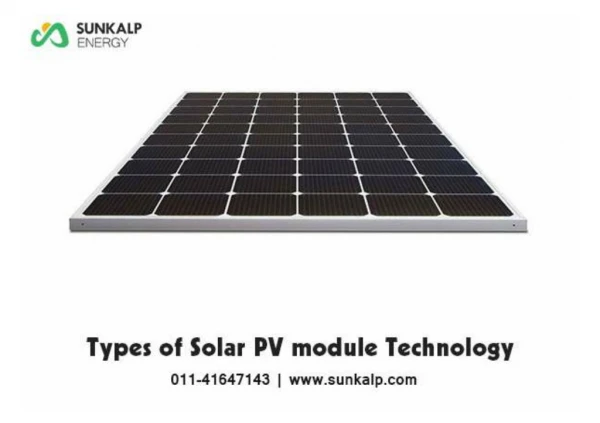
Solar photovoltaic (PV) modules are devices that convert sunlight directly into electricity using semiconductor materials.

E N D
Solar PV Module Market Size: An In-depth Study The global solar pv module market is experiencing robust expansion, supported by the accelerating transition toward renewable energy and decarbonization goals worldwide. The market size was valued at over USD 81.4 billion in 2025 and is projected to reach approximately USD 222.1 billion by 2035, expanding at a compound annual growth rate (CAGR) of 11.8% during the forecast period (2026–2035). This growth trajectory reflects strong policy backing, large-scale investments in solar energy infrastructure, declining module costs, and rapid technological advancements in photovoltaic cell efficiency. Governments across developed and emerging economies are integrating solar energy into national energy mixes to reduce dependence on fossil fuels and achieve carbon neutrality targets, significantly contributing to the long-term expansion of the Solar PV Module Market. Request Sample @ https://www.researchnester.com/sample-request-8385 Solar PV Module Industry Demand Solar photovoltaic (PV) modules are devices that convert sunlight directly into electricity using semiconductor materials. These modules are a critical component of solar power systems, installed across residential rooftops, commercial facilities, industrial complexes, and large-scale utility farms. The Solar PV Module Market encompasses the manufacturing, distribution, installation, and servicing of crystalline silicon, thin-film, bifacial, and emerging high-efficiency modules. Solar PV Module Market: Growth Drivers & Key Restraint Growth Drivers – 1. Technological Advancements in PV Efficiency Continuous innovation in photovoltaic technology is a primary growth driver. Developments such as monocrystalline PERC (Passivated Emitter and Rear Cell), TOPCon (Tunnel Oxide Passivated Contact), heterojunction technology (HJT), and bifacial modules have significantly enhanced energy output per panel. Higher efficiency modules allow better energy yield from limited rooftop or land space, increasing their attractiveness in urban environments and high-density regions. Automation in production lines and digital quality control systems are also enhancing manufacturing efficiency and reducing defect rates.
2. Government Policies and Renewable Energy Targets Government initiatives, subsidies, tax credits, feed-in tariffs, and renewable portfolio standards have been instrumental in expanding solar adoption. Many countries have implemented ambitious net-zero carbon targets, encouraging public and private sector investments in solar infrastructure. International climate agreements and national clean energy policies are creating a favorable regulatory landscape, stimulating both utility-scale and distributed solar projects. 3. Rising Energy Demand and Decentralized Power Generation Rapid urbanization, industrialization, and electrification in emerging economies are increasing global electricity demand. Solar PV modules provide a scalable and flexible solution to meet rising energy needs, especially in remote and off-grid areas. Corporate demand for clean energy procurement through power purchase agreements (PPAs) and on-site solar installations is also driving growth in commercial and industrial segments. Key Restraint: Supply Chain Disruptions and Raw Material Dependency Despite strong growth momentum, the Solar PV Module Market faces challenges related to supply chain concentration and raw material availability. Dependence on specific regions for polysilicon production and wafer manufacturing can create vulnerabilities. Trade restrictions, tariffs, and geopolitical tensions may disrupt global supply chains, affecting pricing and availability. Solar PV Module Market: Segment Analysis Segment Analysis by Product Type – Solution The solution segment dominates the Solar PV Module Market, comprising the manufacturing and supply of PV panels and integrated solar systems. Demand for high-efficiency monocrystalline and bifacial modules is particularly strong due to their superior performance and space optimization capabilities.
Integrated solutions that include inverters, mounting systems, and smart monitoring platforms are gaining traction, especially in commercial and industrial applications. Increasing demand for turnkey solar installations is further strengthening this segment. Services The services segment includes installation, maintenance, performance monitoring, and after- sales support. As global solar installations expand, the need for operation and maintenance (O&M) services is increasing steadily. Long-term maintenance contracts, digital performance analytics, and predictive maintenance solutions are becoming integral to maximizing system efficiency and lifespan. The services segment is experiencing consistent growth due to the expanding installed base of solar systems globally. Segment Analysis by Application – Residential The residential segment is witnessing strong adoption, driven by rising electricity costs, government incentives, and growing environmental awareness. Rooftop solar installations allow homeowners to reduce utility bills and increase energy independence. Net metering policies and financing options such as solar leasing and loans further enhance accessibility. Commercial & Industrial (C&I) The commercial and industrial segment represents a significant portion of demand. Businesses are increasingly adopting solar PV modules to reduce operational costs and meet corporate sustainability goals. Warehouses, manufacturing units, office buildings, and data centers are investing in rooftop and on-site solar installations to stabilize long-term energy expenses. Utilities Utility-scale solar projects account for a major share of total installations. Large solar farms supply electricity directly to national grids, supporting renewable energy targets. The declining cost per watt and improved module efficiency have made utility-scale solar one of the fastest- growing renewable power sources globally. Segment Analysis by End- -User –
End users include residential homeowners, commercial enterprises, industrial facilities, government institutions, and utility providers. Government and Public Sector: Governments are investing in solar installations for public infrastructure such as schools, hospitals, and administrative buildings. Industrial Sector: Energy-intensive industries are integrating solar to offset grid dependency and comply with environmental regulations. Energy Providers: Utility companies are diversifying portfolios by adding large-scale solar projects to their generation mix. Solar PV Module Market: Regional Insights North America North America demonstrates strong demand for solar PV modules, supported by federal and state-level renewable energy incentives. The region benefits from technological innovation, advanced grid infrastructure, and strong private sector participation. Corporate renewable energy procurement and sustainability commitments among major enterprises are key growth drivers. Additionally, domestic manufacturing initiatives aim to reduce reliance on imports and strengthen supply chain resilience. Europe Europe remains a prominent market due to stringent climate policies and aggressive renewable energy targets. The region emphasizes sustainability and decarbonization, leading to widespread adoption across residential and commercial sectors. Energy security concerns and rising fossil fuel prices have accelerated solar installations. Distributed rooftop solar and community solar projects are particularly prominent in several European countries.
Asia-Pacific (APAC) Asia-Pacific is the fastest-growing region in the Solar PV Module Market. Rapid industrialization, urban expansion, and government-backed solar missions drive demand. Countries across APAC are heavily investing in large-scale solar parks and rural electrification programs. The presence of major manufacturing hubs in the region supports cost-efficient production and global exports, further strengthening market leadership. Top Players in the Solar PV Module Market Key players operating in the Solar PV Module Market include REC Solar Holdings AS, Sharp Corporation, Panasonic Corporation, Kyocera Corporation, Tata Power Solar Systems Ltd., along with other prominent global manufacturers and technology providers focusing on innovation, strategic partnerships, capacity expansion, and vertical integration to strengthen their competitive positioning in the rapidly evolving solar energy landscape. Access Detailed Report @ https://www.researchnester.com/reports/solar-pv-module- market/8385 Research Nester Analytics is a leading service provider for strategic market research and consulting. We provide unbiased, unparalleled market insights and industry analysis to help industries, conglomerates, and executives make informed decisions regarding future marketing strategy, expansion, and investments. We believe every business can expand its horizon with the right guidance at the right time. Our out-of-the-box thinking helps clients navigate future uncertainties and market dynamics. Contact for more Info: AJ Daniel Email: info@researchnester.com U.S. Phone: +1 646 586 9123 U.K. Phone: +44 203 608 5919