Download
1 / 7
0 likes | 6 Views
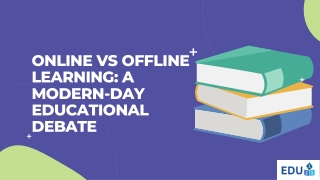
Online learning offers flexibility and tech tools, while offline ensures discipline and face-to-face interaction. Both have pros and cons, sparking debate on the future of education.<br><br>For more information on school in India...<br>https://www.edu123.in/category/boarding-schools-in-india

E N D
Introduction • The rise of technology has introduced online learning as a major alternative to traditional classroom education. • This shift has sparked debate over which method is more effective, accessible, and engaging. • This presentation compares the strengths, weaknesses, and impact of both learning modes.
What Is Online Learning? • In-person teaching in a physical classroom setting. • Emphasis on direct interaction, real-time feedback, and structured schedules. • Includes lab work, group activities, and face-to-face mentoring. • Promotes discipline, peer bonding, and emotional connection.
What Is Offline Learning? • Delivered via internet platforms (Zoom, Google Classroom, Coursera, etc.) • Offers flexibility in time, location, and pace. • Enables access to global resources and expert educators. • Includes tools like video lectures, interactive quizzes, and online discussions.
Online vs Offline A Comparative View Online Learning Offline Learning Factor Fixed schedule and location High Flexibility Accessibility Global reach Limited reach Cost Higher costs Often more affordable Interaction Virtual Real Time Easier to keep students focused Engagement Requires self-discipline Full access to labs, fieldwork, etc. Limited hands-on learning Practical Exposure
Which Is Better? Depends on the Learner • Online Learning is Ideal For: • Self-motivated learners, working professionals, remote access • Offline Learning is Ideal For: • Hands-on learners, young students, and those who need structure • Blended Learning is increasingly adopted to combine the best of both worlds
Conclusion Online and offline learning both offer unique advantages and face distinct challenges. The ideal choice depends on individual needs, resources, and goals. In the future, a blended approach may provide the most effective and inclusive learning experience.