Download

1 / 3
0 likes | 1 Views
USM business systems is a top supplier of technological services and solutions with expertise in big data, automation, deep learning, machine learning, artificial intelligence, and mobile app development. By providing solutions for data quality and regulatory compliance, we also assist businesses in mitigating the risks related to their information systems.<br>

E N D
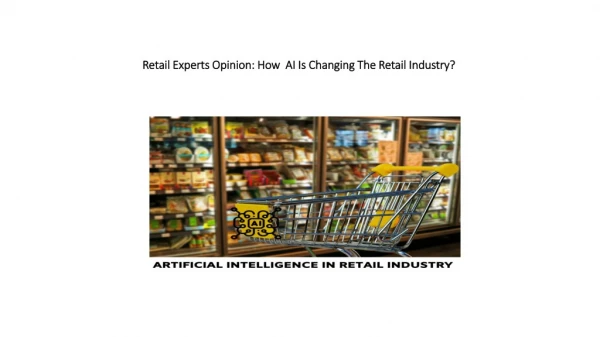
What is the Impact of AI on the retail industry? The Impact of AI on the Retail Industry The retail industry is not an exception to how artificial intelligence (AI) is revolutionising other industries. AI is changing how companies engage with customers and run their operations, from streamlining supply chains to personalising shopping experiences. As consumer expectations rise and competition grows, retailers are adopting AI-driven solutions to improve efficiency, boost customer satisfaction, and increase profitability. The impact of AI in retail is vast, influencing almost every aspect of the industry. 1. Enhancing Customer Experience The enhancement of the customer experience is among the most obvious effects of AI in retail. Today's consumers demand speedy service, convenience, and personalisation. AI tools such as chatbots and virtual assistants allow retailers to provide 24/7 customer support, answering queries and resolving issues instantly. For example, AI-driven recommendation engines analyze a customer’s purchase history and browsing behavior to suggest products they are most likely to buy. In addition to making purchasing simpler, this increases client loyalty and involvement. Moreover, AI enables personalized marketing campaigns. Retailers can use AI algorithms to segment their audience based on demographics, interests, and buying patterns. By delivering targeted promotions and offers, businesses can increase conversion rates and ensure that customers feel valued. 2. Optimizing Inventory Management AI is essential to attaining effective inventory management, which is crucial in the retail industry. Conventional approaches frequently depend on historical data or human tracking, which can lead to stockouts or overstocking. Real-time data, including market circumstances, seasonal trends, and even weather patterns, are used by AI-driven demand forecasting technologies to provide more accurate demand predictions. To ensure that businesses are stocked with the appropriate products at the appropriate time, AI, for example, can assist a clothing retailer in predicting the popularity of specific fashion trends. Retailers may cut waste, storage expenses, and overall profitability by optimising inventory levels. 3. Improving Supply Chain Efficiency Artificial Intelligence in Retailis essential to attaining effective inventory management, which is crucial in the retail industry. Conventional approaches frequently depend on historical data or human tracking, which can lead to stockouts or overstocking. Real-time data, including market circumstances, seasonal trends, and even weather patterns, are used by AI-driven demand forecasting technologies to provide more accurate demand predictions.
To ensure that businesses are stocked with the appropriate products at the appropriate time, AI, for example, can assist a clothing retailer in predicting the popularity of specific fashion trends. Retailers may cut waste, storage expenses, and overall profitability by optimising inventory levels. 4. Fraud Detection and Security The hazards of fraudulent activities like identity theft, phoney returns, and payment fraud have also increased with the growth of digital shopping. Fraud detection systems driven by AI examine transaction patterns to spot anomalous activity. The system may flag a transaction for evaluation, for example, if a consumer makes an unexpectedly big purchase from a different location. By seeing possible dangers and averting data breaches, AI also improves cybersecurity. Customer data is a precious asset, and AI-driven solutions help merchants keep their customers' trust by protecting critical information. 5. Enhancing In-Store Experience Even though e-commerce has expanded dramatically, physical shopfronts are still crucial to the retail industry. In order to improve the shopping experience, AI technologies are now being incorporated into physical retail settings. For instance, AI-enabled smart mirrors in clothing businesses eliminate the need for trial rooms by enabling shoppers to virtually try on clothing. Similarly, AI and computer vision are used by cashierless retailers such as Amazon Go to allow customers to pick up their purchases and go without having to wait in checkout queues. Retailers may also better understand how customers travel around stores with the aid of AI-driven foot traffic analytics. Higher sales and improved customer engagement can result from using this data to optimise promotional displays, product placements, and store layouts. 6. Price Optimization When it comes to client decision-making, pricing is vital. Retailers may modify prices in real time according to variables like demand, competition, and consumer preferences thanks to AI-driven dynamic pricing systems. For instance, AI can suggest price changes to optimise sales during holidays or busy shopping times. This strategy guarantees that retailers maintain their competitiveness while simultaneously optimising the value of every transaction. Customers gain from reasonable, open pricing that follows market developments at the same time. 7. Workforce Transformation AI is also changing the labour in retail. Human employees may now concentrate on more complicated, value-added jobs by automating routine duties like inventory tracking, cashier operations, and basic customer service. For example, employees can spend more time on strategic decision-making or individualised customer interactions while AI takes care of time-consuming and repetitive activities. Additionally, by providing individualised learning paths based on performance data, AI-powered training platforms can assist staff members in developing their skills. This guarantees that employees are more capable of adjusting to the changing retail environment. 8. Sustainability in Retail
Sustainability is now a major concern for both customers and merchants. AI optimises resource consumption and reduces waste, which supports environmentally responsible retail operations. AI, for instance, can more precisely forecast product demand, which lowers the likelihood that unsold inventory would wind up in landfills. Similarly, by optimising delivery routes, AI-powered logistics solutions lower fuel use. Retailers may lessen their environmental impact and improve their brand recognition among eco-aware customers by implementing AI-driven sustainability strategies. Read Also: ai in automotive industry