Download

1 / 5
0 likes | 1 Views
Children are natural explorers of emotions u2014 joy, frustration, excitement, and sadness all flow through their day like changing weather. But as their world grows more complex, managing these emotions and behaviors becomes essential to their well-being and development. Helping kids understand why they feel what they feel u2014 and how to respond u2014 is at the core of emotional intelligence.<br>This is where modern tools like a kids behavior tracker app come in. Designed to help parents, educators, and therapists monitor emotional patterns and behavioral trends, these apps do far more than just track con

E N D
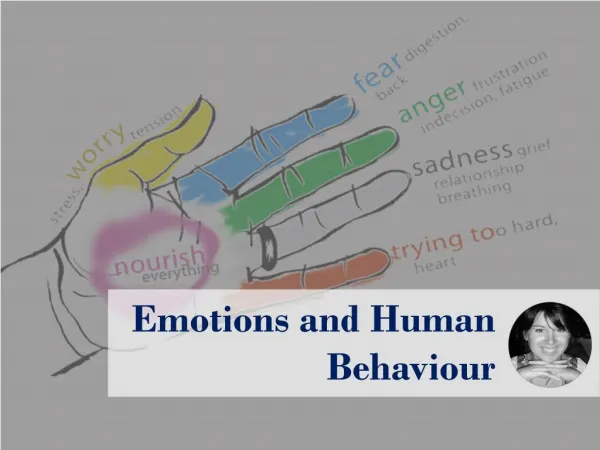
Tracking Emotions, Teaching Balance: How Behavior Apps Foster Mindfulness Children are natural explorers of emotions — joy, frustration, excitement, and sadness all flow through their day like changing weather. But as their world grows more complex, managing these emotions and behaviors becomes essential to their well-being and development. Helping kids understand why they feel what they feel — and how to respond — is at the core of emotional intelligence. This is where modern tools like a kids behavior tracker app come in. Designed to help parents, educators, and therapists monitor emotional patterns and behavioral trends, these apps do far more than just track conduct — they nurture mindfulness, balance, and self-awareness in children. The Growing Importance of Emotional Awareness In recent years, educators and psychologists have emphasized that emotional intelligence (EQ) is just as vital as academic intelligence (IQ). A child who can recognize and regulate emotions is better equipped to focus, form healthy relationships, and handle challenges with resilience.
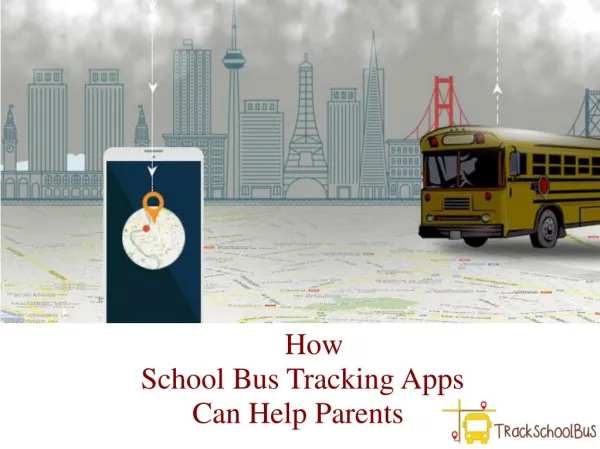
Yet, emotional awareness doesn’t always come naturally. Many children struggle to identify what they’re feeling, often expressing it through tantrums, defiance, or withdrawal. Without guidance, this emotional confusion can build into behavioral issues or anxiety over time. A kids behavior tracker app bridges this gap by giving children — and the adults guiding them — a way to visualize and understand emotional and behavioral patterns in real-time. What Is a Kids Behavior Tracker App? A kids behavior tracker app is a digital tool designed to monitor, record, and analyze a child’s daily behaviors, moods, and routines. Parents or caregivers can log actions such as: ● Morning and bedtime routines ● Emotional states throughout the day (happy, anxious, angry, calm, etc.) ● Behavioral incidents (meltdowns, arguments, or moments of calm focus) ● Task completions, rewards, or positive reinforcements Many apps also include interactive features for children — such as mood check-ins, habit streaks, or journaling prompts — that encourage them to self-reflect and take ownership of their emotions. When used consistently, these tools offer insight into what triggers certain emotions or behaviors and help identify progress in areas like attention, patience, and emotional regulation. How Tracking Fosters Mindfulness
At its core, mindfulness means paying attention to the present moment without judgment. For children, this skill develops through gentle awareness of their inner experiences — noticing when they feel upset, excited, or bored, and understanding that emotions come and go. Behavior tracking supports this process in several powerful ways: 1. Encouraging Self-Awareness When kids are prompted to log their moods or behaviors, they pause and reflect — “How am I feeling right now?” This simple act of labeling emotions begins to build emotional vocabulary and mindfulness. 2. Recognizing Patterns Over Time Visual charts or mood timelines help children (and adults) see emotional trends — like feeling anxious before school or tired after screen time. Recognizing these patterns empowers children to prepare for, and manage, triggers proactively. 3. Transforming Reactions Into Reflection By shifting focus from punishment to understanding, parents can turn behavioral corrections into teaching moments. Instead of saying, “Stop yelling,” they might explore, “You felt frustrated when your toy broke — what could we do next time?” 4. Reinforcing Positive Behavior Behavior tracking apps often include reward systems that celebrate progress. This positive reinforcement connects emotional regulation with a sense of achievement, motivating children to continue healthy patterns. The Role of Data in Emotional Growth While emotions can feel abstract, tracking turns them into data that tells a story. Over time, parents can notice correlations between behavior and environment — for example, improved moods after outdoor play, or irritability following poor sleep. This data-driven insight enables caregivers to make small but meaningful adjustments to routines and expectations. Teachers can also use it to understand classroom triggers, while therapists can rely on it for evidence-based interventions. What once felt like unpredictable emotional outbursts becomes a series of understandable, manageable patterns — and with understanding comes empathy, patience, and progress. Integrating Mindfulness Practices With Technology Mindfulness and technology might seem like opposites, but when used intentionally, they can complement each other beautifully. Many kids' behavior tracker apps now incorporate features that encourage reflection and emotional self-regulation, such as:
● Breathing exercises that guide children through calming routines during moments of stress. ● Emotion labeling games that help kids associate words with feelings. ● Daily gratitude or reflection prompts that promote positivity and empathy. ● Visual timers that help children with ADHD or anxiety manage transitions calmly. These micro-practices gently train the mind to pause, observe, and respond — key steps in developing lifelong mindfulness. How Parents Can Use Behavior Tracking Effectively For parents, behavior tracking shouldn’t feel like surveillance — it’s about connection and insight. Here’s how to make it work best: 1. Start With Open Conversations Explain to your child that tracking is a way to help them understand their emotions, not to monitor or punish them. Framing it positively builds trust and cooperation. 2. Focus on Progress, Not Perfection Behavior improvement is gradual. Celebrate small wins, like shorter tantrums or quicker recovery after frustration. Progress tracking helps kids see growth as a journey. 3. Set Shared Goals Involve your child in goal-setting — for instance, “Let’s try to have three calm mornings this week.” Collaborative goals encourage responsibility and engagement. 4. Use the Data Together Review weekly summaries or emotion charts as a family. Discuss what went well and what can be improved. These reflections strengthen communication and emotional literacy. How ChomChom Encourages Mindful Growth Apps like ChomChom take the concept of behavior tracking a step further by combining emotional awareness with gamified learning. Through interactive exercises, kids can engage in micro-learning activities that teach focus, empathy, and emotional regulation — all while parents monitor patterns and celebrate milestones. ChomChom’s design reflects the understanding that mindfulness is not taught through lectures, but through consistent, meaningful play. It helps children feel before they act, reflect before they react, and grow through guided self-awareness. Emotional Regulation and Academic Success The benefits of behavior tracking and mindfulness extend far beyond emotional well-being — they also enhance learning. When children understand and manage their emotions, they’re better equipped to focus, follow instructions, and adapt to classroom challenges. Research consistently shows that emotional regulation strengthens attention, memory, and decision-making — the very skills needed for academic achievement. By using a kids behavior tracker
app to monitor and encourage these abilities, parents help children build the foundation for lifelong success. Striking the Right Balance As with any digital tool, moderation and guidance are key. A behavior tracker works best when it’s part of a holistic approach that includes offline mindfulness activities like journaling, physical play, and open discussions. Technology should enhance emotional development, not replace human connection. When parents combine app-based insights with empathy and active listening, they create an environment where children feel understood, supported, and empowered to grow. Final Thoughts Childhood emotions are complex — full of highs, lows, and everything in between. Helping children navigate this inner world with mindfulness is one of the most valuable lessons adults can offer. A kids behavior tracker app provides a bridge between emotion and understanding. It turns daily experiences into teachable moments, encouraging self-reflection, balance, and resilience. When children learn to recognize what they feel and why, they gain control not just over their emotions — but over how they grow, learn, and connect with the world. In the end, the goal isn’t perfection — it’s awareness. With the right tools and support, mindfulness becomes a habit, balance becomes natural, and emotional growth becomes a joyful part of every child’s journey.