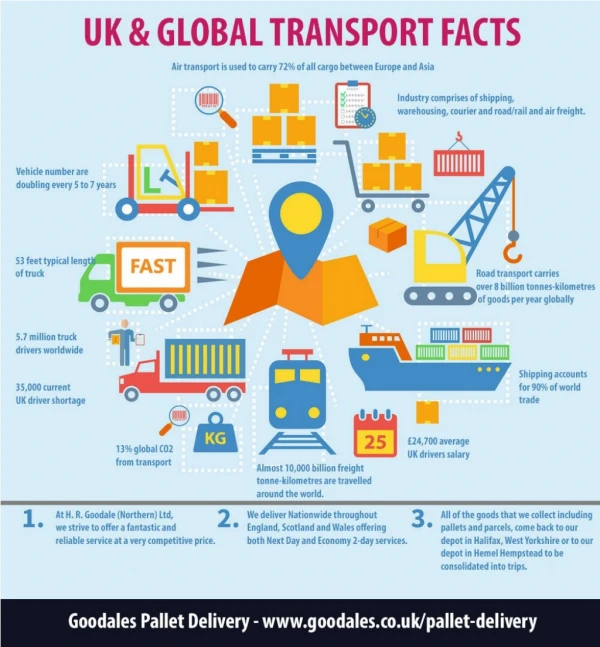
Global transport network
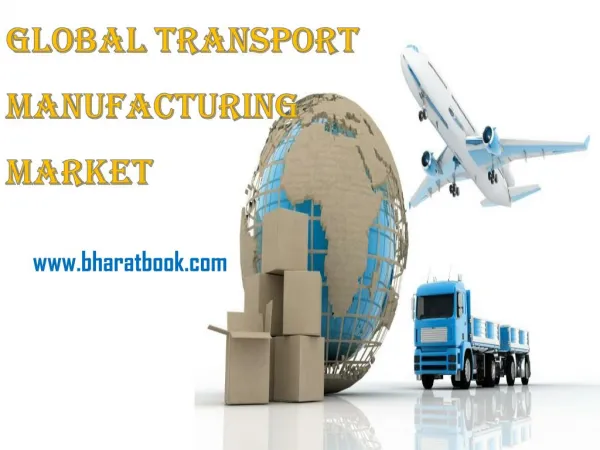
A global transport network refers to a system of interconnected transportation infrastructure that spans across the globe, enabling the movement of goods, people, and information between different countries and regions. It encompasses various modes of transportation, including air, sea, road, and rail, and involves a complex network of routes, hubs, and logistics facilities.<br><br>

Global transport network
E N D
Presentation Transcript
Global transport network A global transport network refers to a system of interconnected transportation infrastructure that spans across the globe, enabling the movement of goods, people, and information between different countries and regions. It encompasses various modes of transportation, including air, sea, road, and rail, and involves a complex network of routes, hubs, and logistics facilities. The global transport network plays a crucial role in facilitating international trade, tourism, and economic development. It allows for the efficient movement of goods and services, connecting producers with consumers in different parts of the world. Additionally, it enables the mobility of people, supporting travel for business, leisure, education, and other purposes. Air transport is a vital component of the global transport network, connecting major cities and destinations worldwide. International airports serve as key hubs for air travel, facilitating connections between different regions and continents. Airlines operate routes that span across multiple countries, offering passenger and cargo services. Sea transport, primarily through shipping, is another critical element of the global transport network. Ports and harbors act as major gateways for international trade, accommodating large vessels that transport goods between continents. Shipping routes connect various ports, forming intricate networks that facilitate the movement of bulk cargo and containers. Road transport plays a significant role in connecting different regions within countries and facilitating cross-border trade. Highways, expressways, and road networks link cities, towns, and rural areas, enabling the movement of goods by trucks and other vehicles. Border crossings and customs facilities are essential for international road transport.
Rail transport, although more regionally focused, also contributes to the global transport network. Railways connect cities and regions within countries and often have international connections, allowing for the movement of goods and passengers across borders. Freight trains transport bulk cargo, while passenger trains facilitate domestic and international travel. The global transport network is supported by advanced technologies, including navigation systems, tracking and monitoring tools, and logistics software. These technologies improve the efficiency, safety, and reliability of transportation operations, enabling better coordination and optimization of the network. Efforts are continuously made to enhance the global transport network through infrastructure development, modernization, and integration. International agreements and organizations work towards harmonizing regulations, standards, and procedures to facilitate seamless movement across borders. Sustainability and environmental considerations are also gaining importance, leading to the adoption of greener transportation practices and the promotion of alternative fuels and technologies. Overall, the global transport network is a complex and interconnected system that enables the movement of people, goods, and information on a global scale. It plays a vital role in driving economic growth, cultural exchange, and global interconnectedness, contributing to the development and well-being of societies around the world.