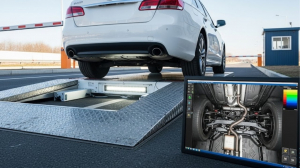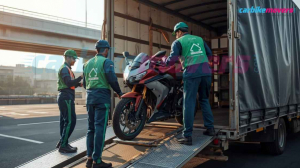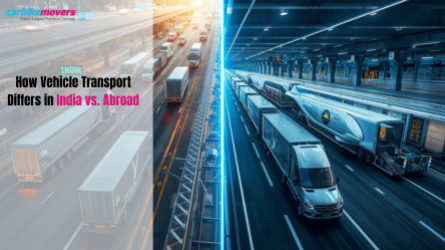
The world of Vehicle Transport has evolved rapidly in the last decade, driven by rising relocation needs, better road networks, and improved logistics systems. Yet, the way vehicles are transported in India is very different from how the process works abroad. Whether it’s bike transport, express car shifting, or advanced vehicle logistics services, every country follows its own system, safety rules, and technological standards. Understanding these differences helps customers choose better vehicle shifting services, avoid common mistakes, and know what level of service to expect when moving a car or bike from one place to another.
Abroad, especially in countries like the US, Germany, Japan, and Australia, the transport ecosystem is extremely organized. Companies follow strict rules for auto shipping, loading techniques, and safety controls. High-speed expressways, automated logistics hubs, and reliable freight corridors make transport predictable and time-bound.
In India, the growth in vehicle transport by road has been impressive, but the infrastructure still faces challenges such as congested roads, variable route conditions, and seasonal delays. Despite this, India has a major advantage affordable and easily accessible vehicle packers and movers, available even in smaller towns.
One of the biggest differences customers notice is cost. Shifting a vehicle abroad, especially through auto shipping or long-distance carriers, can be very expensive due to high labor charges, strict insurance rules, and specialized equipment.
India, on the other hand, offers some of the world’s most budget-friendly options for car shifting service, bike transport, and two wheeler transport. Because manpower is widely available and competition among transporters is high, customers can relocate vehicles across states at a reasonable cost. However, this affordability sometimes leads to service inconsistency, which reputable companies are now actively improving.