1 / 5

How to Navigate Company Liquidation While Preserving Your Reputation

Navigate company liquidation with transparency, fairness, and integrity to preserve your reputation, learn from the experience, and focus on future growth.

Dushant2
Download Presentation

How to Navigate Company Liquidation While Preserving Your Reputation

An Image/Link below is provided (as is) to download presentation Download Policy: Content on the Website is provided to you AS IS for your information and personal use and may not be sold / licensed / shared on other websites without getting consent from its author. Content is provided to you AS IS for your information and personal use only. Download presentation by click this link. While downloading, if for some reason you are not able to download a presentation, the publisher may have deleted the file from their server. During download, if you can't get a presentation, the file might be deleted by the publisher.

E N D

Presentation Transcript


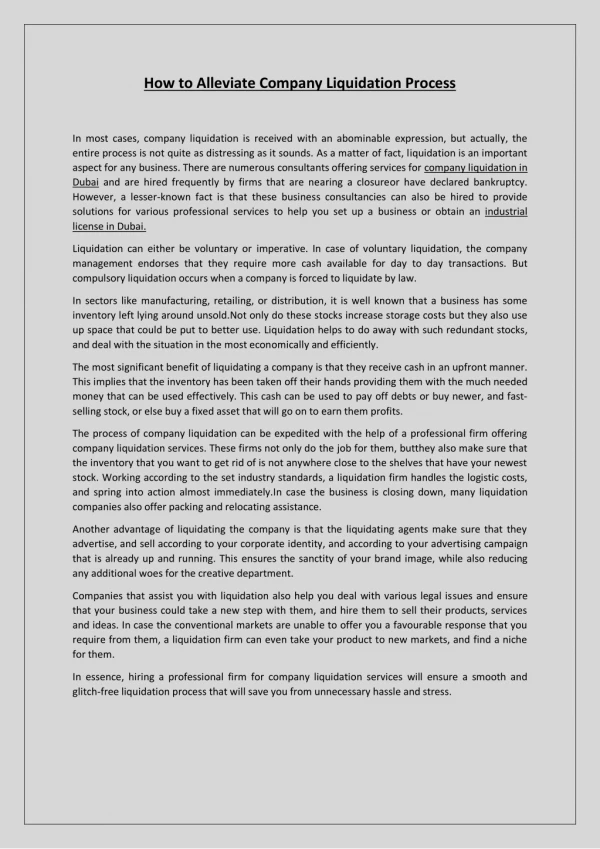
  1. How to Navigate Company Liquidation While Preserving Your Reputation? Company liquidation is often foreseen as damage to the company’s reputation. It impacts a company’s reputation by eroding stakeholder trust, lowering employee morale, and highlighting market weakness, and lack of proper market research. Liquidating a companyalso needssome systematic steps & procedures to carry on the process smoothly. A well-managed liquidation preserves the dignity, and brand identity of the company without needing to face much backlash. Here are a few additional points to navigate the process smoothly 1. Understand the Types of Company Liquidation The first step in managing company liquidation is to understand its different forms: • Voluntary Liquidation:Initiated by the company’s directors or shareholders when the business can no longer meet its obligations. It’s often seen as a proactive measure. • Compulsory Liquidation:Imposed by the courts, usually at the request of creditors who are owed significant sums. Understanding the distinction is crucial, as voluntary liquidation offers greater control over the process and a better chance to manage the narrative around your company’s closure.

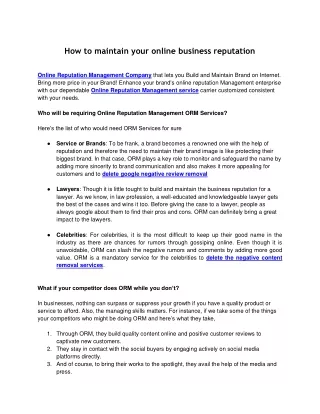
  2. 2. Communicate Transparently with Stakeholders One of the most critical aspects of preserving your reputation during company liquidation is transparent communication. Stakeholders, including employees, creditors, investors, and customers, deserve to know what’s happening and why. Here are some key steps: • Be Honest:Share the reasons behind the decision to liquidate and the steps being taken to ensure fairness. • Tailor Your Messaging:Customize your communication to address the concerns of different groups—employees will need reassurances about severance, while creditors will want clarity on repayments. • Provide Regular Updates:Keep stakeholders informed throughout the process to maintain trust. 3. Work with a Reputable Liquidator Choosing the right liquidator is essential to ensure that the process is conducted professionally and ethically. A reputable liquidator can: • Help manage creditor negotiations and asset sales. • Provide expert advice on compliance and legal obligations. • Act as a neutral party to oversee the fair distribution of the company’s assets.

  3. Working with a respected professional not only streamlines the liquidation process but also demonstrates your commitment to doing things the right way. 4. Prioritize Fairness and Integrity How you handle the liquidation process reflects directly on your personal and professional reputation. Prioritizing fairness and integrity is key: • Pay Creditors Strategically:Work with your liquidator to ensure that creditors are treated equitably. • Support Your Employees:Provide severance packages where possible and assist with job placement or recommendations. • Respect Agreements:Honor commitments to the best of your ability to demonstrate accountability. 5. Learn from the Experience Company liquidation, while challenging, offers valuable lessons for future endeavors. Take the time to reflect on: • What Went Wrong:Identify the factors that led to liquidation, whether it was poor financial planning, market conditions, or operational inefficiencies.

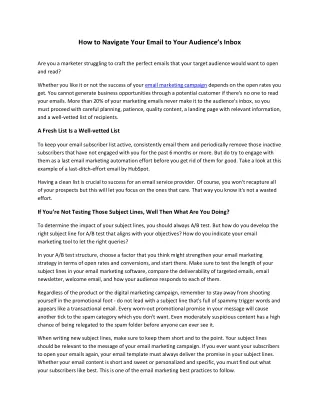
  4. What Could Be Improved:Use these insights to strengthen your leadership skills and decision- making processes in future ventures. Turning a difficult situation into a learning opportunity can position you as a resilient and resourceful leader. 6. Manage Public Perception In today’s digital age, reputation management is more critical than ever. To preserve your professional image during company liquidation: • Control the Narrative:Issue a clear and professional statement about the liquidation to avoid speculation and misinformation. • Engage with Media Strategically:If approached by journalists, be honest but concise. Avoid assigning blame or getting defensive. • Leverage Social Media:Useplatformslike LinkedIn to share your perspective and demonstrate accountability. 7. Focus on the Future A liquidation doesn’t define your entire career. Many successful entrepreneurs have faced similar challenges and gone on to achieve great things. To move forward effectively: • Network Actively:Maintain relationships with former stakeholders, as they can be valuable allies in your next venture. • Rebuild Your Brand:Highlight your learnings and resilience in futurebusiness endeavorsor job opportunities. • Seek Professional Guidance:Consult with mentors, advisors, or career coaches to chart your next steps. 8. Explore Alternatives to Liquidation (If Possible) Before proceeding with company liquidation, consider exploring alternatives such as: • Restructuring:Renegotiate debts or reorganize operations to improve financial stability. • Mergers or Acquisitions:Partner with another company to pool resources and continue operations. • Asset Sales:Sell non-essential assets to generate cash and settle debts. Exploring these options can sometimes prevent liquidation and provide a more favorable outcome for all involved.

  5. 9. Be Mindful of Legal Obligations Company liquidation involves numerous legal requirements, and failing to meet them can harm your reputation and lead to personal liability. Key considerations include: • Filing Accurate Records:Ensure all financial statements and reports are accurate and up to date. • Avoiding Preferential Treatment:Distribute assets fairly among creditors. • Complying with Regulations:Work closely with your liquidator to meet all legal obligations. Conclusion While company liquidation is undoubtedly a challenging experience, it doesn’t have to tarnish your reputation. By approaching the process with transparency, integrity, and a focus on future growth, you can navigate this difficult period while preserving your professional standing. Remember, liquidation is not an endpoint but a chapter in your journey. With the right mindset and actions, you can emerge stronger, wiser, and ready to seize new opportunities. Uncover the latest trends and insights with our articles onVisionary Vogues

More Related