Download

1 / 4
0 likes | 4 Views
Bed bugs undergo a distinct life cycle, with each stage lasting different durations. Their life span varies depending on environmental factors, typically from several months to over a year. These pests progress through egg, nymph, and adult stages. Understanding the bed bugs' life span and biology helps in effective prevention and control, ensuring long-term relief from infestations. Knowledge of their lifecycle is essential for eradication. For more, visit here: www.houstonbedbugheater.com<br>

E N D
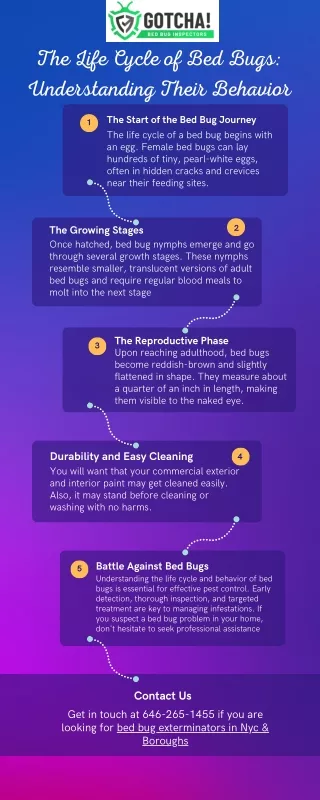
How Long Does It Take For Bed Bugs To Infest Your Home? A Look At Their Life Cycle Do you think bed bugs take their sweet time before turning your home into their breeding ground? Well, think again. These bloodsuckers do not waste any time. Within just a few days, they can transform your cozy bedroom into their feeding zone. And before you realise what’s happening, you are handling a full-blown infestation. But how does this problem spiral out of control so fast? How long does it really take for bed bugs to flourish and claim your space? Let’s discuss everything from the bed bugs' lifespan to what you can do to get rid of them in detail. Understanding the Lifecycle of a Beg Bug: From Egg to Infestation Bed bugs (scientific name Cimex Lectularius) do not just appear out of nowhere. They follow a specific life cycle that allows them to multiply at an alarming rate. Here’s how it happens: 1.Egg Stage (Day 1-10): Did you know that a single female bed bug can lay up to 500 eggs in its lifetime? Yes, these eggs hatch in just 6-8 days (you might want to start checking your bed for tiny, pearl-white eggs as they are a warning sign you don’t want to miss). 2.Nymph Stage (Day 10-40): Once the eggs are hatched, these baby bed bugs (nymphs) immediately start looking for their first blood meal. They go through five growth stages and shed their skin each time. If they have access to food (that is you!), they can become adult in as little as 21 days. 3.Adult Stage (Day 40+): By the time, these bed bugs reach adulthood, they are fully capable of reproducing. With a steady food supply, they can live for 4-6 months. But under the right conditions, some have also been known to survive for over a year!
The Infestation Timeline of Bed Bugs Week 1: Invasion Most infestations start when a few bed bugs hitchhike their way into your home via suitcases, second- hand furniture, or dirty clothing. At this stage, they are practically undetectable. The few eggs they lay will hatch soon, but unless you see them for yourself, you won’t notice a thing. Week 2-4: The Growth By the end of the month, the infestation is starting to grow. The newly hatched nymphs have now gone through several molts and are well on their way to becoming adults. At this point, you might begin noticing red itchy bite marks on your neck and arms, blood stains on your sheets, or tiny black droppings near your mattress. Week 5-8: Full-Blown Infestation Now, the bed bugs have settled in. The Cimex Lectularius life cycle is in full swing, with adults laying eggs daily. The number of bed bugs in your home can double or even triple within a month. If left unchecked, they will spread to other rooms, hiding in cracks of the furniture and even the TVs and ACs of your home. After 3 Months: Total Takeover By the time you reach the three-month mark, your home is officially infested. Bed bugs have now expanded their hiding spots, feeding at night, and making it nearly impossible to get a good night’s sleep. Their lifecycle is designed by nature to be relentless, ensuring their numbers continue to rise unless immediate action is taken.
Why are Bed Bugs So Hard to Kill? ●They Are Very Good at Hiding: Bed bugs can squeeze into the cracks as thin as paper, making them incredibly difficult to find. ●Fast Reproduction: Just one female can turn into an infestation within just a few months. ●Resistant: Most over-the-counter and DIY treatments do not work because bed bugs have developed serious resistance to many chemical pesticides. ●They can Survive Months Without Food: Even if you leave your house for a few weeks for vacation, you will find them waiting for your return. What is the Best Way To Get Rid of Bed Bugs? So, after knowing all of this, what’s the fastest and most effective way to eliminate bed bugs? Here at Bed Bug Heaters Houston, we have the perfect solution for you. Two words: Heat Treatment. Instead of wasting money on ineffective sprays and powders, you can rent a professional-grade bed bug heater directly from us and wipe the infestation in just 24 hours. Why does Heat Work Better than Chemicals? ●Bed bugs cannot tolerate high heat temperatures and die instantly when the temperature strikes above 120°F. ●Heat penetrated deep into the furniture, mattresses, and walls, reaching even those bed bugs hiding in the cracks. ●It kills all life stages, from eggs to adults, preventing re-infestation. With Bed Bug Heater Houston, you can rent an easy-to-use heater and treat your entire home yourself. Our DIY600 Package covers up to 600 sq ft, while the DIY1400 Package handles larger spaces up to 1400 sq ft in a single day. How to Prevent a Future Bed Bug Infestation? Once you have wiped out the infestation, the last thing you want is for bed bugs to come back. Below we mention some simple ways to keep them out for good: 1.Inspect all the second-hand furniture (yes, even the one that you buy from thrift stores) before bringing it inside your home. 2.Use protective mattress encasements to trap any stray bugs. 3.Vacuum regularly, especially around beds and furniture. 4.Be extremely cautious while travelling. Bed bugs love to hide in hotels and aeroplanes. 5.Do not wait for the problem to get worse, act fast at the first sign of bed bugs.
Final Thoughts So, how long does it take for bed bugs to infest your home? As little as 6-8 weeks. This is why immediate action is crucial. If you notice even a single bed bug, assume there are more in hiding and get rid of them before they multiply. With Bed Bug Heaters Houston, you don’t have to wait for an exterminator or spend thousands on ineffective treatments. Just rent a heater and get back to your home within 24 hours. The faster you act, the better your chances are avoiding a full-blown infestation.