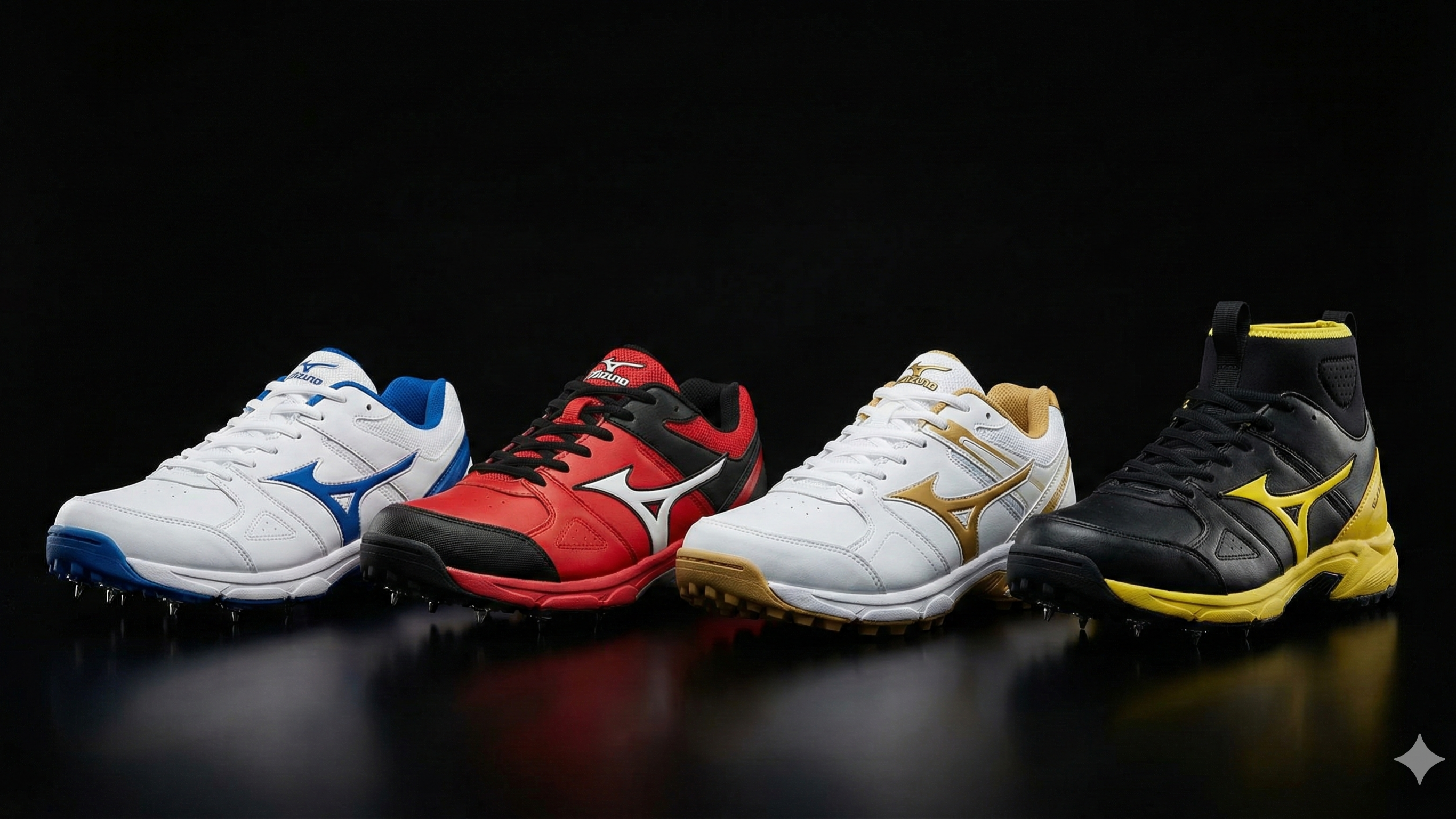
Cricket shoes may look like simple sports footwear from a distance, but they play a deeper role in performance, safety, and consistency than many players understand. Cricket is a sport built on sudden movements, explosive sprints, rapid changes in direction, and long hours of play on varying pitch and ground conditions. Without the right pair of shoes, even the most skilled players struggle with stability, traction, and foot comfort. Serious cricketers know that footwear is not just about style—it directly affects balance while playing shots, grip when bowling, landing stability, running efficiency between the wickets, and even long-term injury prevention. A strong foundation begins from the ground up, and for cricketers, that foundation is their shoes.
The Different Types of Cricket Shoes Every Player Should Know
Bowling Shoes Designed for Power and Controlled Landings
Fast bowlers require shoes engineered specifically for heavy impact and sudden follow-through movements. Bowling boots generally come with reinforced midsoles, strong upper construction, and higher ankle collars for added support. When a bowler jumps into delivery stride and lands with full force on the crease, the shoe must absorb shock and keep the bowler stable. Spikes in bowling shoes are typically metal, offering deep penetration into turf for maximum traction. Without proper bowling footwear, bowlers often experience knee pressure, ankle pain, and reduced control in their landing stride. Good bowling shoes help maintain energy transfer, balance, and safety in every delivery.
Batting Shoes Focused on Balance, Grip, and Quick Footwork
Batting shoes are designed with a lower profile to support rapid foot movement and stable shot execution. A batter frequently moves forward and back, adjusting their stance depending on the bowler’s length. Shoes must therefore stay lightweight while still offering enough grip to prevent slipping during back-foot punches or front-foot drives. Cushioning is also important for long innings, especially on hard pitches where prolonged pressure can tire the feet. Many batters prefer hybrid-spike shoes that combine grip on turf with smooth movement on dry patches. Good batting shoes help players maintain their stance, position themselves correctly, and generate power without losing footing.
All-Rounder Shoes for Players Who Do Everything
All-rounders need versatile shoes that balance the durability of a bowling shoe with the agility of a batting shoe. These shoes feature flexible soles, reinforced sides, and mixed spikes that allow for both safe landings and quick directional changes. Since all-rounders spend significant time both fielding and batting, comfort becomes a top priority. The shoes must keep the feet supported during long matches and protect against fatigue. A great all-rounder shoe ensures consistent performance across all aspects of the game.
Fielding Shoes Designed for Agility and Quick Reactions
Fielders, especially those stationed in the deep or close-catching positions, rely on shoes that offer grip and responsiveness. Fielding involves diving, sprinting, and turning sharply. Shoes must allow fast acceleration while also offering control during sudden stops. Many fielders prefer rubber-studded soles when playing on hard grounds, as they offer grip without the discomfort of metal spikes. Good fielding shoes help prevent slips, support athletic movements, and improve overall agility.
Understanding Spikes: Metal vs. Rubber and When Each Type Works Best
Metal Spikes for Turf and Professional-Level Traction
Metal spikes provide the strongest grip, especially on grassy turfs or moist grounds. They allow deep penetration into the surface, helping players maintain control while running or landing. Fast bowlers and professional batters often prefer metal spikes because of their superior traction, especially in competitive matches. However, metal spikes are usually not suitable for hard pitches or indoor surfaces where they can feel uncomfortable or even damage the ground.
Rubber Spikes for Hard Grounds and General Gameplay
Rubber spikes offer reliable grip on firm surfaces such as dry pitches, synthetic cricket grounds, or concrete practice tracks. They are more comfortable for training sessions and long hours of fielding drills. Many club-level and street cricketers choose rubber-spiked shoes because they provide a balance of comfort, affordability, and practicality. They are also safer on indoor surfaces where metal spikes may be restricted.
Key Features Every Cricketer Should Look for in Cricket Shoes
Proper Cushioning to Handle High-Impact Movements
Cricket involves intense stress on the feet—bowling impact, batting stance pressure, and fielding sprints all create continuous strain. Good cushioning helps reduce this pressure, supporting long innings and long spells without discomfort. Cushioning also helps prevent long-term injuries such as heel pain and arch strain.
Durability and Strong Upper Construction
Cricket shoes take a beating during matches. Bowlers drag their foot, batters twist frequently, and fielders sprint across rough surfaces. The shoe’s upper must be strong enough to withstand these movements without tearing. Reinforced stitching, breathable mesh combined with synthetic overlays, and strong toe protection all add to a shoe’s lifespan.
Ankle Stability for Safer Movement
Ankle injuries are common in cricket due to sudden changes in direction and awkward landings. Shoes that offer proper ankle support help reduce this risk. Higher collars are preferred by bowlers, while low-cut shoes are often chosen by batters who need more flexibility for movement.
Grip and Traction Based on Playing Surface
The traction pattern under the shoe determines how well a player can control their movement. Deep traction patterns help on turf, while dense rubber studs work best on hard grounds. Choosing the right outsole is essential for maintaining balance, speed, and safety.
Breathability for Long Hours of Play
Matches can last several hours, sometimes even full days. Breathable materials such as mesh panels allow air circulation, keeping the feet cool and reducing sweat buildup. This prevents blisters, odors, and discomfort during long games.
Matching the Right Cricket Shoe to Your Playing Style
For Fast Bowlers
Choose reinforced high-support shoes with metal spikes, extra cushioning, and strong toe boxes. These features help bowlers maintain control and protect the landing foot throughout the match.
For Batters
Select lightweight shoes that allow quick footwork and stability. Hybrid spikes are excellent for batters, enabling smooth movement while still offering reliable grip.
For All-Rounders
Pick balanced shoes with mixed spikes, good cushioning, and durable construction to handle both batting and bowling demands.
For Fielders
Choose shoes with strong lateral support, responsive soles, and comfortable cushioning for agility during sprints and dives.
How the Right Shoes Improve Overall Cricket Performance
The right pair of cricket shoes enhances balance while playing shots, increases bowling accuracy by improving landing stability, and gives fielders the speed and agility required to stop boundaries. Good shoes also reduce fatigue, which is crucial during long formats. When players feel confident in their footing, they naturally perform better. Cricket shoes are not just sports gear—they are performance tools that shape how effectively a player moves, reacts, and executes their skills on the field.
Taking Care of Cricket Shoes for Longer Life
Clean After Every Use
Mud, grass, and sweat can damage the shoe material. Wipe them down after matches and let them dry naturally.
Avoid Leaving Shoes in Extreme Heat
Heat can warp the sole or damage adhesives. Shoes should be stored in cool, dry areas.
Replace Worn Spikes
Loose or damaged spikes reduce grip and increase the risk of slipping. Regular spike maintenance helps preserve performance.
Use Shoes Only for Cricket
Many players make the mistake of using their cricket shoes for running or daily wear, which causes premature wear and tear. Reserve them only for matches and practice.
Conclusion: Why Cricket Shoes Are a Crucial Part of Every Player’s Toolkit
Cricket shoes are one of the most important pieces of equipment for any cricketer, whether beginner or professional. They influence movement, grip, speed, safety, and overall consistency. Choosing the right pair based on playing role, ground conditions, and comfort can significantly boost performance. Investing in quality cricket shoes is an investment in better stability, sharper skills, improved confidence, and long-term foot health. For any player serious about the sport, the journey to better performance begins with the right shoes.