Introduction
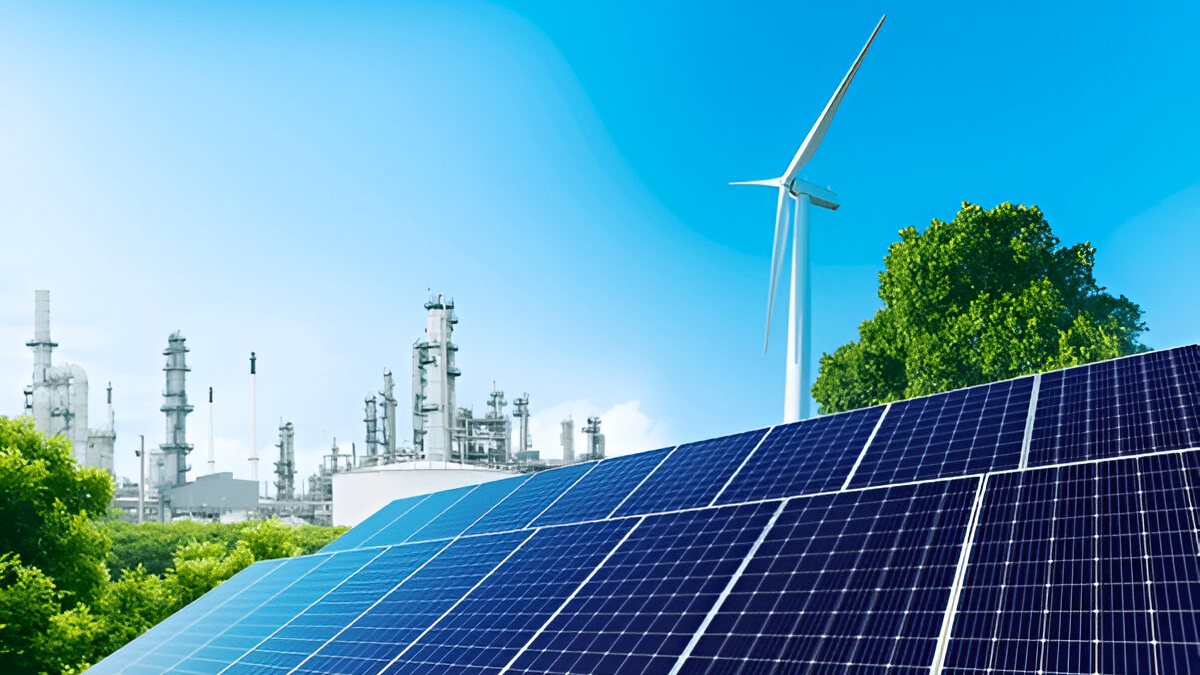
Captive Power Generation has been part of India’s industrial sector for decades. Large industries in steel, cement, and textiles have long relied on their own power plants. These were mostly diesel, coal, or gas-based. They worked but came with environmental costs. Solar and wind are now changing this model. Not as side projects but as a main source of captive energy.
The context we can’t avoid
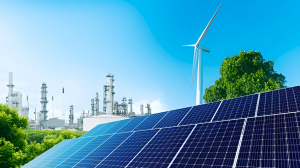
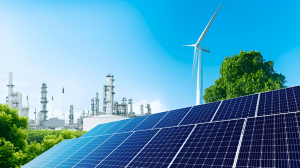
India’s grid has improved, but voltage drops and supply interruptions still affect production. Industrial tariffs have increased in many states. Businesses are now turning to alternatives. In the past, this meant more diesel generators. Today it often means rooftop solar, private wind projects, or hybrid systems. The Renewable Energy Future India is not limited to large solar parks. It is also happening in industrial areas, ports, and economic zones.
Why solar and wind fit the captive model so well
The main reason is cost. Prices for solar panels and wind turbines have dropped. Even with import duties, the cost per unit can be far lower than grid tariffs. Captive systems give companies more control. They reduce exposure to grid instability. Renewable captive plants also avoid carbon pricing and compliance issues. There is also a reputational benefit. Many companies highlight renewable projects in sustainability reports.
But it’s not just “add panels and save money”
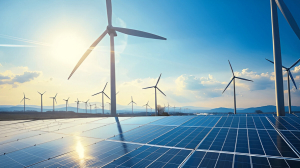
Solar only works during the day. Wind varies with seasons and location. Neither guarantees constant power without storage or backup. Hybrid systems work well in some regions. Coastal Tamil Nadu gets wind at night and strong sun in the day. Parts of Gujarat show similar patterns. Matching these resources to industrial demand needs careful design. This involves power electronics, smart inverters, and load management.
Storage: the piece we can’t ignore anymore
Storage changes the economics of captive renewable systems. Lithium-ion batteries are still costly but prices are falling. Other options include flow batteries, thermal storage, and green hydrogen. Storage allows businesses to use daytime solar power in the evening. This cuts peak demand charges and improves reliability.
Policy: friend or foe?
Depends on the month Regulations can help or hurt projects. Open access rules, banking charges, and surcharges affect financial viability. Some states make the process simple. Others change rules often, which creates uncertainty. Still, growth is likely. National renewable targets depend on industrial participation.
Not all wind turbines are built for efficiency—and that’s not always bad
Some captive projects choose smaller or slower turbines for noise control. Others adjust solar panel tilt to reduce maintenance in dusty regions. The goal is to fit the system to the site, not always to maximise generation.
A quiet revolution
Many renewable captive projects start without public attention. A textile mill in Coimbatore may run half its load on rooftop solar. A cement plant in Kutch may use a private wind farm. These changes reduce fossil fuel use without making headlines. Local generation also helps the grid. Power used on-site avoids transmission losses and reduces peak load stress.
The human factor
Technology matters but skilled people matter more. Engineers must understand both industrial processes and renewable systems. Maintenance teams need to solve problems quickly. Company leaders must be willing to invest for long-term savings. Company culture plays a role. Some view energy independence as a strength. Others see it only as a cost.
Looking ahead
Captive renewables will grow in the next decade. Fuel prices are unlikely to drop. Grid tariffs will stay high. Carbon costs will become harder to avoid. Solar and wind have limits but combined with storage and good design they offer stable and cost-effective power. Captive Power Generation is about control over energy supply. In India’s renewable energy future, that control will often come from solar panels and wind turbines on industrial sites.