Download
1 / 6
60 likes | 85 Views
Plant Based Proteins help formulators achieve consumer-pleasing taste and mouthfeel, with enhanced nutritional profiles. They also appeal to consumers seeking more label-friendly food options. Our plant-based proteins deliver consistent performance and in many cases may help reduce your costs and increase your yield. https://bit.ly/3j1Q3lz<br>

E N D
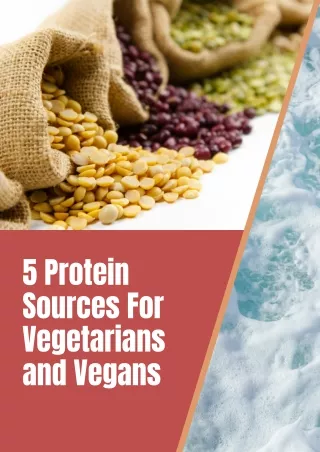
5 Protein Sources For Vegetarians and Vegans
Quinoa Quinoa is an ancient grain Plant Based Proteins that looks similar to couscous but has a crunchy texture and nutty flavor. As it doesn’t grow from grasses like other cereals and grains, it’s technically considered a pseudocereal and naturally gluten- free. One cup of cooked quinoa provides approximately 8 grams of protein. In addition to being a complete protein, quinoa provides more magnesium, iron, fiber, and zinc than many common grains. You can use quinoa in place of rice in most recipes. It can also be simmered in a plant source milk for a creamy, protein-rich breakfast porridge. Though most supermarkets have quinoa in stock, buying it online may offer you a wider selection and possibly better prices.
Tofu, Tempeh, and Edamame Tofu, tempeh, and edamame are all made from soybeans and make for excellent plant-based protein sources. Tofu is made from coagulated soy milk that’s pressed into white blocks and comes in a variety of textures, including silken, firm, and extra-firm. As it’s quite bland, tofu tends to take on the flavor of the foods with which it’s cooked. A 3-ounce (85-gram) serving of tofu provides approximately 8 grams of protein. It also offers 15% of the Daily Value for calcium, as well as smaller amounts of potassium and iron. Tempeh is much chewier and nuttier than tofu and made from fermented soybeans, which are often combined with other seeds and grains to form a firm, dense cake. Meanwhile, edamame beans are whole, immature soybeans that are green and have a slightly sweet, grassy flavor. They’re usually steamed or boiled and can be enjoyed on their own as a snack. Alternatively, they can be added to salads, soups, or grain bowls. Three ounces (85 grams) of tempeh contain 11 grams of protein. This serving is also a good source of fiber and iron and contains potassium and calcium. A 1/2 cup (85 grams) of whole edamame provides 8 grams of protein along with a good amount of fiber, calcium, iron, and vitamin C.
Amaranth Amaranth is another pseudocereal that’s a complete source of protein. Once considered a staple food in Incan, Mayan, and Aztec cultures, it has become a popular gluten-free grain alternative. Amaranth is a versatile grain that can be boiled for a side dish or porridge, or popped in a skillet to add texture to granola bars or salads. Similarly to quinoa, it has a delicate, nutty taste and retains its crunch even when cooked. When ground into a flour, amaranth can also be used in gluten- free baking. One cup (246 grams) of cooked amaranth provides approximately 9 grams of protein. It’s also an excellent source of manganese, magnesium phosphorus, and iron. In fact, 1 cup (246 grams) of cooked amaranth provides more than 100% of the DV for manganese, an essential mineral that’s important for brain health. If you can’t find amaranth locally, you can buy it online.
Hemp Seeds Coming from the hemp plant Cannabis sativa, hemp seeds are members of the same species as marijuana, but they contain only trace amounts of tetrahydrocannabinol, the psychoactive component of marijuana. As a result, hemp seeds are unlikely to contain enough THC to cause a high feeling or any of the other psychoactive effects that are associated with marijuana. However, there is concern that hemp seeds could become contaminated with TCH from other parts of the plant during harvesting or storing. Therefore, it’s important to purchase seeds from trusted brands that test for THC. Technically a nut, the edible whites inside of hemp seeds are referred to as hemp hearts and incredibly nutritious. In addition to being a source of complete protein, hemp hearts are particularly rich in the essential fatty acids linoleic acid (omega-6) and alpha-linolenic acid. Three tablespoons (30 grams) of raw, hulled hemp seeds boast an impressive 10 grams of protein and 15% of the DV for iron. They’re also a good source of phosphorus, potassium, magnesium, and zinc. Hemp hearts have a mild nutty flavor and can be sprinkled over yogurt or salads, added to smoothies, or included in homemade granola and energy bars. These tasty seeds are widely available in stores and online.
Mycoprotein Mycoprotein is a meat substitute product that’s marketed under the name Quorn. Made from a naturally occurring fungus called Fusarium venenatum, it’s sometimes mixed with eggs or milk protein before being shaped into patties, cutlets, or strips. As a result, not all mycoprotein products are vegan. Both the Food and Drug Administration (FDA) and United Kingdom’s Food Standards Agency have determined that mycoprotein is safe enough to be sold to the public. However, there are some concerns that the fungal ingredient in it can cause dangerous allergic reactions in some individuals. Still, as it’s a rich source of essential amino acids and low in sodium, sugar, and fat, it’s a popular option for those looking for a plant-based alternative to chicken. While the amount of protein varies by product, one 75-gram Quorn Chik’N patty contains 9 grams of protein. If you want to give mycoprotein a try, you can find many Quorn products in stores and online.