Download
1 / 5
50 likes | 163 Views
This comprehensive guide focuses on applying ethical principles and decision-making strategies in emergency situations. It outlines the steps of a problem-solving model, including assessing the situation, identifying potential contingencies, determining objectives, and creating effective action plans. Key ethical considerations are highlighted, emphasizing the importance of integrity, impartiality, and the necessity to avoid conflicts of interest. By identifying personal strengths and weaknesses, individuals can enhance their decision-making capabilities, ensuring adherence to ethical standards and laws in critical moments.

E N D
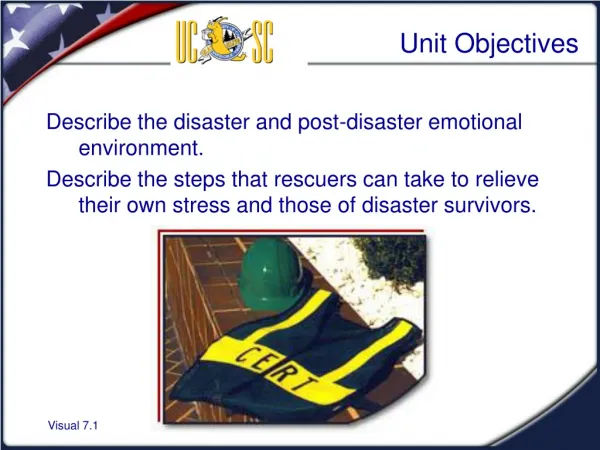
Unit Objectives • Apply the principles of ethics and decision making to a case study. • Identify your strengths and weaknesses in making decisions during an emergency.
Problem-Solving Model 1. Size up the situation. 2. Identify contingencies. 3. Determine objectives. 4. Identify resources needed. 5. Build a plan. 6. Take action.
Ethical Don’ts • Don’t use your position to seek personal gain. • Don’t exceed your authority or make promises. • Avoid even the appearance of ethical violations.
Ethical Do’s • Place the law and ethical principles above private gain. • Act impartially. • Protect and conserve department property. • Put forth honest effort.
Components of Ethical Decisions • Commitment (Motivation) • Consciousness (Awareness) • Competency (Skill)