The Great Depression: Economic Struggles, Drought, and Political Responses in the 1930s
The Great Depression (1929-1939) was marked by economic underconsumption, skyrocketing unemployment, and environmental disasters like the Dust Bowl. With the stock market crash on October 29, 1929 (Black Tuesday), many Americans faced dire conditions. Hoovervilles emerged as makeshift homes for the destitute. President FDR initiated the New Deal to revive the economy, but also faced controversies like the Court Packing scandal and the Mexican Repatriation Act. The period is characterized by significant bank failures and shifts in U.S. economic policy.


The Great Depression: Economic Struggles, Drought, and Political Responses in the 1930s
E N D
Presentation Transcript
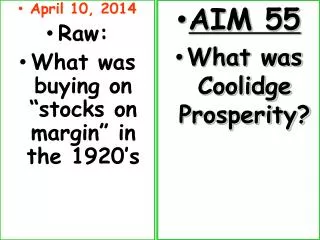
Time of economic under consumption and unemployment Great Depression Drought and crops withering in the fields “homes” for destitute people in the early 1930’s Buying on Margin October 29, 1929 Dust Bowl Black Tuesday Hoovervilles Name of the philosophy of FDR’s Presidency Mexican Repatriation Act Law that sent Mexicans back to Mexico Area of the US where the Dust Bowl occurred Herbert Hoover Court Packing scandal Teapot Dome Scandal
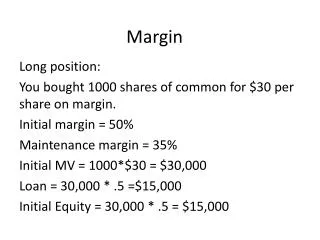
Radio addresses by FDR Fireside Chats Group of politicians who accepted bribes for oil leases in Wyoming Purchasing stocks with loans from a bank New Deal Bank Failures Attempt to have more Supreme Court Justices (who agree with him) President at the beginning of the Great Depression The Great Plains 80% of banks went out of business (ran out of money) Fiat Money (not gold or silver) Paper money