Download
1 / 10
100 likes | 209 Views
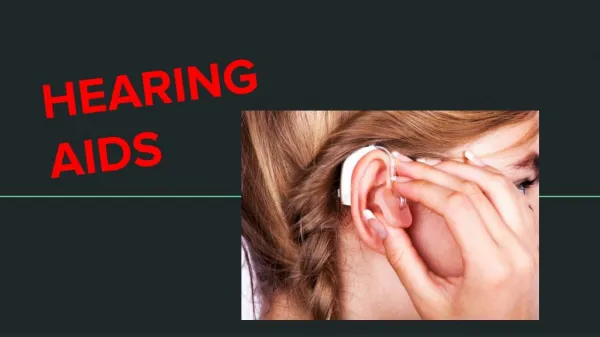
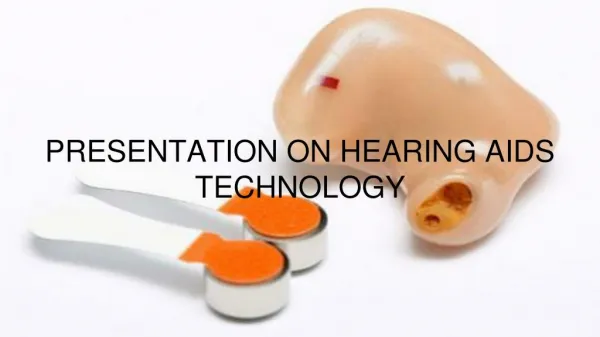
This project conducts usability and human factors testing on a hearing aid device to ensure it meets specified requirements, including accommodations for adult ear sizes and weight limits. Two surveys, targeting young adults and ImagineRIT visitors, will assess user satisfaction with the device through a series of tasks while wearing a non-functional prototype. Participants' feedback will be analyzed using statistical methods to evaluate aspects such as comfort, volume adjustment, and visibility. The goal is to enhance design functionality and overall user experience.

E N D
Objective: To conduct usability and human factors testing on hearing aid device to assess if the required specifications are met. • Specifications :
Specifications 9, 10 • Range of adult ear size accommodated • Final design will be measured to ensure dimensions fall with in the 5%-95% percentile • Weight of earpiece • Final prototype will be weighed to ensure it’s weight is below 15 grams
Specifications 14-17 Two Surveys: Small Group Imagine-RIT
Small Group Survey • Small heuristics study of 5-6 students between the ages of 18-25 • Evaluators can be either Hearing or Hard of Hearing students • Incentive for participating in survey will be granted to evaluators (Javas Tokens) • Data collected will be confidential
Procedure • Conduct one on one interview with each participant for a maximum of 20 minutes • Each participate will be ask to wear a non-functional prototype and perform a set of tasks such as walking with device, adjusting volume etc. • A Likertsystem will be used to rank satisfaction of each question
ImagineRIT Survey • ImagineRIT visitors who are at least 18 or older will be allowed to participate in this survey • Each participate will be ask to wear a non-functional prototype and perform a set of tasks such as adjusting volume/profiles etc. • A Likert system will be used to rank their response for each question.
Survey Questions • Each question will reference a function on the device to evaluate basic usability standards: • Flexibility and efficiency of use • Aesthetic and minimalist design • User Control and freedom • Recognition rather than recall
Main Menu • Home • Our People • History • Process • Benefits • Consumer Page • Customer Survey • Testimonials • News • Presentations • Pricing • Purchase • Contact Us Visit us on Facebook Ear Trak Sample Questions Please mark how satisfied you are with the hearing aid device for each situation: • Overall comfort/fit • Very satisfied, Satisfied, Neutral, Dissatisfied, Very Dissatisfied • Ease of adjusting volume • Very satisfied, Satisfied, Neutral, Dissatisfied, Very Dissatisfied • Visibility of hearing aid • Very satisfied, Satisfied, Neutral, Dissatisfied, Very Dissatisfied
Statistics For Analyzing Data Ordinal data: • α= 0.05 • Frequency Distribution/Cross Tabulation • Kendall tau B or C • Chi-square test