Welding Safety_ A Top Priority
In the welding industry, safety comes first. Every welder, whether a seasoned expert or an apprentice, is aware that rigorous attention to welding safety regulations is essential to both their own safety and the protection of those around them. The idea that welding safety should always come first in any welding process is not hyperbole. An in-depth discussion of the critical role that safety plays in welding is provided in this article.<br><br>Australian standards compliance, using AS4603 compliant equipment, protective gear like Cigweld helmets, routine flashback arrestor testing, and safety consi

Welding Safety_ A Top Priority
E N D
Presentation Transcript
Welding Safety: A Top Priority In the welding industry, safety comes first. Every welder, whether a seasoned expert or an apprentice, is aware that rigorous attention to welding safety regulations is essential to both their own safety and the protection of those around them. The idea that welding safety should always come first in any welding process is not hyperbole. An in-depth discussion of the critical role that safety plays in welding is provided in this article. Australian standards compliance, using AS4603 compliant equipment, protective gear like Cigweld helmets, routine flashback arrestor testing, and safety considerations during welding repairs are all stressed. Weld and Safety is the first step in protecting lives and maintaining the quality of the work in the high-stakes field of welding. Ensuring that your welding space is safe is of paramount importance for several compelling reasons: Protecting Lives The lives of the welders and anybody else present in the area must be protected, which is the main goal of a safe welding area. Welding is an inherently risky operation because it includes high temperatures, bright light, and the use of potentially toxic materials. The likelihood of mishaps, burns, electrocutions, and other potentially fatal situations is reduced in a safe welding environment. Preventing Injuries A safe welding environment attempts to avoid injuries in addition to protecting lives. A wide variety of accidents can occur to welders, including burns from hot metal and sparks, eye injuries from welding arc radiation, and respiratory issues from breathing in welding fumes. An environment that prioritises safety can greatly lower the possibility of these accidents happening. Minimizing Property Damage Welding-related accidents not only pose a risk to individuals but can also lead to extensive property damage. Fires, explosions, and equipment damage are all potential consequences of unsafe welding practices. Proper safety measures can prevent these incidents from occurring and protect valuable equipment and property.
Legal Compliance There are stringent laws and guidelines governing workplace safety, including welding activities, in many nations, including Australia. Legal repercussions, such as fines and penalties, may occur from failing to maintain a safe welding environment. In addition to being morally required, following safety laws is also legally required. Productivity and Efficiency Workflow and efficiency are improved in a safe welding environment. Workers can concentrate better on their tasks and produce work of higher quality and greater efficiency when they feel secure in their safety. On the other hand, safety risks may cause delays and downtime, which would hurt productivity. Cost Savings It could be necessary to make a preliminary investment in safety supplies, instruction, and workplace improvements before implementing safety measures. However, the costs connected with mishaps, injuries, property damage, legal fees, and prospective insurance claims are frequently much more expensive. In the long run, having a safe workspace can save you a lot of money. Reputation and Client Confidence A dedication to safety can improve a company's reputation in fields where welding is a frequent practise. When an organisation prioritises safety, clients and partners are more likely to have faith in it, which improves commercial possibilities and connections. Environmental Responsibility Environmental issues are taken into account in safe welding procedures. The environment is protected and hazardous welding fumes are released less frequently with proper ventilation and fume extraction systems. The negative effects of welding operations on the environment must be kept to a minimum.
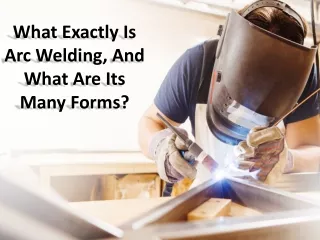
Making sure your welding area is safe involves more than just your personal safety; it also involves a variety of other factors, such as maintaining legal compliance and being environmentally conscious. Every welding operation should prioritise welding safety since it is both morally and legally required to do so in order to establish a safe, effective, and long-lasting working environment. To ensure the well-being of everyone involved, it's essential to prioritize welding safety. In this article, we will discuss why we should be cautious with welding safety, emphasizing the importance of using proper equipment, adhering to Australian standards, conducting flashback arrestor testing, and following safety protocols for welding repairs. Welding Safety - A Top Priority Welding is a high-temperature, high-energy process that involves melting and fusing metals together. The intense heat and bright light produced during welding can cause serious injuries if adequate safety measures are not in place. Therefore, welding safety should always be a top priority in any welding operation. Compliance with Australian Standards In Australia, welding safety is regulated by strict standards to protect workers and the general public. AS/NZS 1554 and AS 1674 are some of the Australian standards that govern welding practices. However, one standard of particular importance is AS 4603, which outlines the safety requirements for welding and allied processes. Adhering to these standards ensures that welding operations are conducted with the highest level of safety. The Role of Cigweld Helmets Welding helmets are vital pieces of personal protective equipment (PPE) that shield welders from harmful radiation, sparks, and debris generated during welding. Cigweld helmets, known for their quality and reliability, provide essential protection to the welder's eyes and face. Ensuring that welding personnel use properly maintained and AS4603 compliant helmets is essential for their safety and well-being. Flashback Arrestor Testing Flashback arrestors are critical safety devices used to prevent dangerous situations during welding. They are designed to stop the reverse flow of gases, preventing a flame from traveling
back into the gas supply lines. Regular flashback arrestor testing is crucial to ensure their functionality and reliability. A malfunctioning flashback arrestor can lead to catastrophic accidents, making testing an indispensable part of welding safety protocols. Welding Repairs - A Special Consideration Welding repairs are common in various industries, from automotive to construction. However, they come with their own set of safety challenges. It's vital to assess the condition of the materials being repaired and adhere to established safety guidelines. This includes proper ventilation, ensuring a fire-resistant environment, and using appropriate PPE. Training and Certification Welding is a skilled trade that requires proper training and certification. Welders should undergo comprehensive training programs to learn about various welding techniques, safety procedures, and equipment operation. This training ensures that they have the necessary skills to perform their tasks safely and efficiently. Certification from recognized authorities confirms their competence and adherence to industry standards. Ventilation and Respiratory Protection Welding generates harmful fumes and gases that can be detrimental to a welder's health if inhaled. Adequate ventilation systems in welding workspaces help to remove these contaminants, maintaining a healthy working environment. Additionally, welders should wear respiratory protection, such as respirators with appropriate filters, when working in poorly ventilated areas or when dealing with materials that produce toxic fumes. Fire Safety Welding involves the use of open flames and sparks, which can pose a significant fire hazard. To mitigate this risk, it's essential to have fire safety measures in place. This includes the availability of fire extinguishers, fire blankets, and the identification of emergency exits. Fire-resistant clothing and welding curtains can also help contain sparks and prevent fires from spreading.
Personal Protective Equipment (PPE) Welders should wear a full set of PPE, including steel-toed boots, safety glasses, flame-resistant clothes, and welding gloves, in addition to their helmets. The risk of burns, eye injuries, and other incidents is considerably decreased by the use of the proper PPE. Welding Safety Training and Awareness Ongoing training and safety awareness programs are essential in maintaining a safe welding environment. Regular safety meetings and reminders about best practices help reinforce safety protocols and keep them at the forefront of every welding operation. In conclusion, welding safety must always be the top priority in any welding operation, driven by a profound understanding of its importance and guided by a commitment to safeguarding lives, property, and the environment. This commitment is fortified by adhering to Australian standards, such as AS4603 compliance, and using reliable equipment like Cigweld helmets. The vigilance in conducting flashback arrestor testing ensures the functionality of critical safety devices. Welding safety is not a singular concern but a multifaceted endeavor that encompasses the prevention of injuries, mitigation of property damage, adherence to legal requirements, cost savings, enhanced productivity, reputation building, and environmental responsibility. It extends to the realm of welding repairs, where a stringent adherence to safety protocols is equally vital. Ultimately, welding safety is a shared responsibility, from the welder on the frontlines to the organization overseeing the operation. It is a continuous commitment to education, training, and vigilant awareness of potential hazards. By placing welding safety at the forefront, we not only protect the lives and well-being of those involved but also uphold the integrity of the welding industry, ensuring that it remains a productive, responsible, and sustainable profession.