Download

1 / 5
0 likes | 3 Views
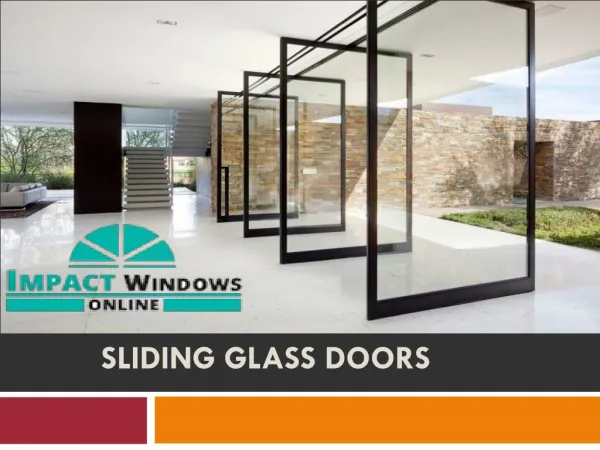
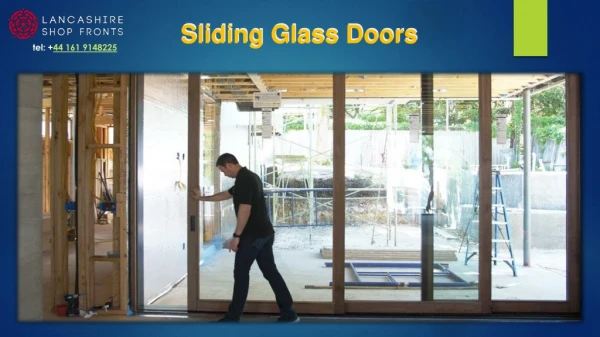
Sliding doors are an excellent solution for optimizing office space in Singaporeu2019s compact work environments. They improve natural light flow, promote an open, collaborative atmosphere, and reduce noise without taking up extra space. Ideal for modern offices, they enhance productivity by creating flexible, organized, and efficient workspaces.

E N D
Can Sliding Doors Improve Office Productivity and Space in Singapore? Office spaces in Singapore grow more compact each year. Businesses often work within tight floor plans, especially in commercial buildings where every square metre counts. In these settings, clever design choices can unlock extra room and better focus. One practical solution that continues to draw attention is the use of sliding doors for offices. Sliding doors blend form and function. They conserve space, shape privacy zones, and create cleaner traffic flow. With careful planning, they help offices breathe and support productivity. Understanding the Space Challenge in Singapore Offices Office units in city areas often feel tight. Architects and designers must balance open zones with private rooms. Walls block sound but consume floor area. Hinged doors swing open and clash with furniture or pathways. Sliding doors solve many of these issues. They move along the wall, not into the room. This change, though small, makes a big difference in how people move and work. Let’s explore how this smart shift can improve space and work quality in Singapore’s urban offices.
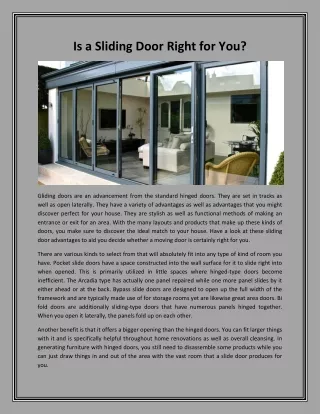
How Sliding Doors Save Valuable Space? Traditional swing doors require clear floor areas to open fully. This setup creates awkward corners or wasted wall zones. In contrast, sliding doors for offices glide sideways. They remove the need for swing clearance. You reclaim usable wall space. You also avoid blocking light or air. Teams can arrange furniture more freely, without dodging door paths. In hot-desking layouts, this helps teams stay flexible and tidy. For small meeting rooms or manager cabins, sliding doors increase space efficiency. You gain more with less. Do Sliding Doors Boost Productivity? Workplace productivity often depends on focus. Distractions break concentration. Poor layout causes interruptions. Good office flow reduces friction, and sliding doors support this by shaping zones cleanly. In open-plan offices, sliding doors split zones without cutting off light or sound entirely. Frosted panels offer visual privacy while keeping spaces bright. This balance helps workers stay calm and focused. An aluminium sliding door also blocks unwanted noise when needed. With proper sealing, it reduces chat and phone calls from leaking between rooms. Common Types of Sliding Doors for Offices Let’s walk through some common styles used in workplaces: 1. Single-Panel Sliding Door •Moves along one wall. Ideal for small rooms or cubicles. 2. Double-Panel Sliding Door •Two doors slide in opposite directions. Good for wide meeting rooms. 3. Pocket Sliding Door •Slides into a wall cavity. Saves the most space but needs a special wall built. 4. Barn-Style Sliding Door •Hangs from exposed tracks. Offers a bold, industrial look.
Each type fits a different need. Plan your room use and pick the type that supports movement and purpose. When Should You Use Sliding Doors in Offices? Not every office needs sliding doors everywhere. Choose them where movement, space, or sightlines matter. Use them for: •Meeting rooms– Prevents interruptions while keeping glass visibility. •Manager cabins– Maintains privacy without closing off space. •Pantries– Open up shared areas without crowding. •Partitions– Breaks large halls into working zones. Use sliding doors where you need quiet focus, but still want a sense of space. Comparing Sliding vs Hinged Doors in Offices Before choosing, compare sliding doors to traditional hinged ones. Use this table to weigh both styles. Sliding vs Hinged Doors Feature Sliding Door Hinged Door Space Saving Moves sideways; saves space Needs swing room Style Options Modern, sleek look Classic; may seem bulky Sound Control Moderate with a good seal High if thick and solid Privacy Can be frosted or clear Full privacy when solid Maintenance Needs track cleaning Simple hinges; easy upkeep Cost to Fit May need custom fitting Easier to install This quick comparison helps clarify when and where to use each door style.
Materials That Work Best in Singapore’s Climate Singapore’s humidity and temperature can affect office fixtures. Choosing the right materials keeps doors smooth and long-lasting. An aluminium sliding door resists rust and wear. It handles daily use well, even in damp conditions. You can pair it with tempered glass for strength and safety. Timber or composite options need more care in Singapore’s heat. Stick to treated or engineered materials if you want a wood look without swelling. Always match the material to both design and durability needs. Sliding Doors and Flexible Office Layouts Workplaces now shift more than ever. Some offices change weekly layouts or combine zones for new teams. Sliding doors support this flexibility. You can shift a panel aside to open up a room. You can slide it shut to hold a quiet meeting. A sliding door for offices helps companies adapt without knocking down walls. This flexibility fits coworking offices, startups, and creative teams that need flow and structure in one space. Tips for Installing Office Sliding Doors Installing sliding doors needs planning. A poor fit causes rattling or jamming. Use these tips before you begin: •Check wall strength for track mounting •Confirm clearance for the full panel slide •Use safety glass for see-through panels •Choose handles that don’t stick out •Clean tracks to keep motion smooth Work with skilled installers to avoid problems later. Proper fitting shapes long-term use and comfort. Final Thoughts In Singapore’s compact offices, every design choice matters. Sliding doors for offices offer a simple, strong way to manage space and boost focus. They create open floor plans, enhance flexibility, and meet modern needs while also prioritising aesthetics.
If your office needs to feel bigger, work smarter, and look neater, sliding doors could be the missing piece. Think ahead, choose smart, and let design serve your work. FAQ’s 1. What are sliding doors? Sliding doors move sideways instead of swinging open. They glide along a track, so they don’t take up extra space. You can push or pull them easily with one hand, and they close softly behind you. 2. Can sliding doors save space in an office? Yes! Sliding doors free up space because they don’t need room to swing open. This makes them perfect for tight meeting rooms, small offices, or shared work areas. You can even place desks or furniture close to them without blocking anything. 3. Do sliding doors help with productivity? They can! Sliding doors make it easier to move around, cut down noise, and let in light. This helps teams focus better, stay organized, and work without distraction. Some sliding doors also separate zones, so people can meet quietly while others work nearby. 4. Can I use sliding doors for meeting rooms? Yes! Sliding doors close off meeting rooms neatly and open up space when needed. You can slide them open for teamwork or close them for quiet talks. Some offices in Singapore even use frosted glass sliding doors for privacy and style. Source URL: https://soft2share.com/can-sliding-doors-improve-office-productivity-and-space- in-singapore/ Contact Us Now: Phone No: +65 87776319 Address: 60 PAYA LEBAR ROAD #08-10 PAYA LEBAR SQUARE SINGAPORE (409051) Website: https://www.vindarsg.com/ Email: lcm.vindar@gmail.com vindar.sg@hotmail.com Facebook:https://www.facebook.com/people/Vindar- SG/pfbid02ra1sMkMYTWaApX1AGTDrCVdSprjX37Hcn9regTDDaDy5m7iKbivYPW5tfhtXT9cXl/