Enhancing-Functionality-and-Flow-in-Interior-Design
Looking for expert Interior Designers In Chennai? Explore beautiful Interiors in Chennai that enhance functionality and flow. Contact for a consultation today!


Enhancing-Functionality-and-Flow-in-Interior-Design
E N D
Presentation Transcript
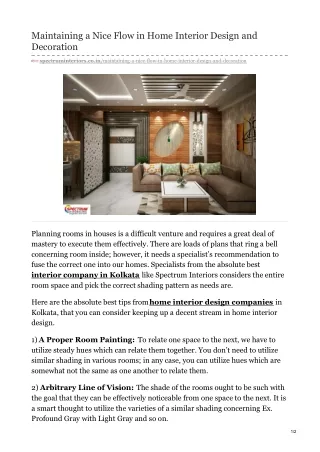
Enhancing Functionality & Flow in Interior Design Interior design is not just about making a space look beautiful; it's about creating a balance between aesthetics, functionality, and comfort. A well-designed room is more than just a place to live; it should be a sanctuary that supports daily activities while enhancing the overall experience. One of the key factors that contribute to a great interior is the flow and functionality of the space. When done right, it ensures that a room is not only visually pleasing but also easy to navigate and live in. This is why many people turn to Interior Designers In Chennai to bring their dream spaces to life, ensuring every detail is well-planned for both beauty and practicality.
What Is Flow in Interior Design? Flow refers to how easily people can move through a space. A well-designed layout allows for easy transitions from one area to another without feeling cramped or obstructed. Think of flow like a path in nature: it's smooth, intuitive, and guides you naturally to your destination. In interior design, this concept ensures that different areas of a room or home are connected in a way that makes sense. For example, in a living room, you wouldn't want to place furniture in a way that makes it difficult for people to move between the couch and the coffee table. The space should encourage free movement while still maintaining a sense of order.
Understanding Functionality Functionality is all about making sure that the design serves its purpose. Whether it's a kitchen, living room, or home office, each space needs to meet the specific needs of the people using it. It's important that each item in the room serves a purpose, and there's a balance between the space's needs and its design. For example, in a home office, functionality could mean having a desk that fits your computer and work materials while ensuring that there's enough light to work comfortably. It's about striking the right balance between form and function, where the room is both useful and attractive.
How to Enhance Flow and Functionality Create Clear Pathways One of the easiest ways to enhance flow is by creating clear pathways. This doesn't mean that every space should be a straight line, but rather that there should be a natural path that leads to and from each area. In a kitchen, for example, you don't want the refrigerator and the stove to be placed in opposite corners, making it difficult to move between them. Creating pathways helps avoid crowding and ensures that movement through the space feels easy. Use Furniture to Define Spaces In open-plan homes, defining different areas can sometimes be tricky. Using furniture strategically can help create clear zones. For instance, a sofa can divide a living room from a dining area. When placing furniture, consider the activities that will occur in each space. Will people be sitting and chatting? Will they be eating? Arranging your furniture around the intended activities creates a functional flow that supports how people use the space. Balance the Space When working on a layout, balance is essential. Too much furniture on one side of the room can make the space feel heavy and uneven. The idea is to evenly distribute furniture and accessories so that no one part of the room feels too crowded or too empty. Balanced spaces allow for better movement and help enhance the flow by keeping the visual weight distributed throughout the room.
More Ways to Improve Your Space Keep It Clutter-Free Consider Lighting Clutter can obstruct flow and functionality in any space. It can make a room feel cramped and disorganized. One of the simplest ways to maintain flow is by keeping the space tidy and organized. This doesn't mean that everything needs to be hidden away in cabinets or storage units, but rather that things are arranged in a way that makes the space feel open and easy to navigate. A minimalist approach to decor can often help achieve this. Lighting plays a crucial role in both the functionality and flow of a room. It not only helps in creating an inviting atmosphere but also helps guide the flow of movement. Natural light, when possible, should be used strategically to create a sense of openness. In rooms without much natural light, overhead lighting and task lighting can be used to brighten specific areas, ensuring that the space is well-lit and functional for various activities.
Smart Furniture and Storage Solutions Incorporate Multi-Functional Furniture Plan for Storage Solutions Storage can significantly impact the functionality and flow of a room. Without proper storage, spaces can easily become cluttered, disrupting both the aesthetics and the functionality of the room. Whether it's built-in shelves, storage bins, or multi- purpose furniture, having smart storage solutions helps keep things organized while enhancing the room's flow. A well-organized space allows for easier movement and gives the room a more polished look. In small spaces or areas that need to serve multiple purposes, multi-functional furniture is a game-changer. Pieces that can be adapted or transformed based on need—like fold-out desks, sofa beds, or expandable dining tables —help improve functionality without compromising on flow. These pieces offer flexibility and ensure that the space can adapt to different activities or guests.
Using Color and Pattern Strategically The colors and patterns you choose for a room can also affect the way a space flows. Lighter colors can make a room feel more open and airy, while darker tones can create intimacy or a cozy feel. Neutral tones often work well for creating a seamless flow from one area to another, while bold colors or patterns can be used to define a particular space or highlight a feature. The key is to use color strategically to enhance the overall aesthetic while maintaining a smooth flow throughout the room. Light Colors Dark Colors Create an open, airy feeling and make spaces appear larger Add intimacy and coziness to spaces Neutral Tones Bold Accents Provide seamless flow between different areas Define specific spaces or highlight architectural features
Conclusion Enhancing functionality and flow in interior design is not just about placing furniture or choosing a color scheme—it's about thinking through how people will interact with the space. When both flow and functionality are considered, spaces become more than just places to occupy; they become environments that enrich daily life. A well-thought-out design that emphasizes flow ensures ease of movement, while prioritizing functionality ensures that the space meets the needs of its users. By combining these elements, you create a harmonious environment that feels comfortable, efficient, and welcoming. If you're looking to transform your space, consulting with experts in Interiors in Chennai can provide you with the guidance and design solutions that best suit your needs.