Download

1 / 10
0 likes | 10 Views
After a newborn reaches his or her own developmental milestone, delayed tooth eruption is usually not a reason for alarm. Still, you can make sure the baby's growth and development are on schedule by keeping yourself informed and seeking advice from medical professionals.

E N D
Delayed Tooth Eruption: Understanding the Timing of Baby Delayed Tooth Eruption: Understanding the Timing of Baby Teeth Coming In Late Teeth Coming In Late
This presentation will explore the topic of delayed tooth eruption, examining the timing and factors that can influence the emergence of baby teeth. We will discuss the normal timeline for tooth eruption and identify potential causes of delayed eruption. delayed eruption. This presentation will explore the topic of delayed tooth eruption, examining the timing and factors that can influence the emergence of baby teeth. We will discuss the normal timeline for tooth eruption and identify potential causes of
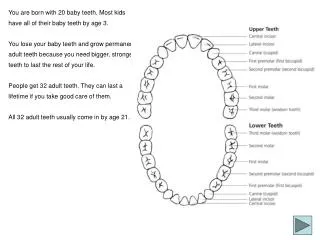
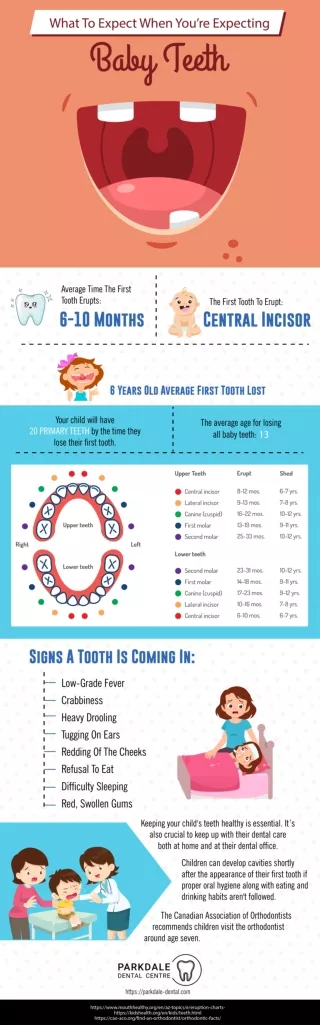
Understanding the Eruption Timeline Understanding the Eruption Timeline The typical timeline for baby tooth eruption is as follows: lower central incisors (6-10 months), upper central incisors (8-12 months), lower lateral incisors (10-16 months), upper lateral incisors (9-13 months), first molars (12-16 months), canines (16-22 months), and second molars The typical timeline for baby tooth eruption is as follows: lower central incisors (6-10 months), upper central incisors (8-12 months), lower lateral incisors (10-16 months), upper lateral incisors (9-13 months), first molars (12-16 months), canines (16-22 months), and second molars (20-30 months). (20-30 months).
Factors Influencing Delayed Eruption Factors Influencing Delayed Eruption Delayed tooth eruption can be caused by several factors, including genetics, hormonal imbalances, malnutrition, local or systemic infections, trauma to the jaws, and certain medical conditions such as Down syndrome or hypothyroidism. Down syndrome or hypothyroidism. Delayed tooth eruption can be caused by several factors, including genetics, hormonal imbalances, malnutrition, local or systemic infections, trauma to the jaws, and certain medical conditions such as
Genetic Influences on Eruption Genetic Influences on Eruption Genetic factors play a significant role in the timing of tooth eruption. Familial patterns of delayed eruption have been observed, indicating a hereditary component. Specific genetic mutations or polymorphisms can also contribute to Genetic factors play a significant role in the timing of tooth eruption. Familial patterns of delayed eruption have been observed, indicating a hereditary component. Specific genetic mutations or polymorphisms can also contribute to variations in the eruption timeline. variations in the eruption timeline.
Hormonal Impacts on Eruption Hormonal Impacts on Eruption Hormonal imbalances, such as thyroid dysfunction or growth hormone deficiency, can also lead to delayed tooth eruption. These hormonal irregularities can disrupt the normal developmental processes responsible baby teeth coming in late formation and emergence. and emergence. and emergence. Hormonal imbalances, such as thyroid dysfunction or growth hormone deficiency, can also lead to delayed tooth eruption. These hormonal irregularities can disrupt the normal developmental processes responsible baby teeth coming in late formation baby teeth coming in late formation Hormonal imbalances, such as thyroid dysfunction or growth hormone deficiency, can also lead to delayed tooth eruption. These hormonal irregularities can disrupt the normal developmental processes responsible
Nutritional Deficiencies and Eruption Nutritional Deficiencies and Eruption Adequate nutrition is essential for proper tooth development and eruption. Malnutrition, particularly deficiencies in vitamins, minerals, or proteins, can contribute to delayed tooth eruption and Adequate nutrition is essential for proper tooth development and eruption. Malnutrition, particularly deficiencies in vitamins, minerals, or proteins, can contribute to delayed tooth eruption and other dental issues. other dental issues.
Certain medical conditions, such as Down syndrome, cleidocranial dysplasia, or hypothyroidism, can also lead to delayed tooth eruption. These conditions may involve underlying genetic or developmental abnormalities that impact baby teeth coming in late eruption process. teeth coming in late eruption process. Certain medical conditions, such as Down syndrome, cleidocranial dysplasia, or hypothyroidism, can also lead to delayed tooth eruption. These conditions may involve underlying genetic or developmental abnormalities that impact baby
Conclusion: Recognizing and Managing Delayed Eruption Delayed Eruption Conclusion: Recognizing and Managing In conclusion, understanding the factors that can contribute to delayed tooth eruption is crucial for early detection and appropriate management. Regular dental check-ups, monitoring of eruption timelines, and addressing any underlying medical or nutritional issues are essential for ensuring optimal dental development in children. in children. In conclusion, understanding the factors that can contribute to delayed tooth eruption is crucial for early detection and appropriate management. Regular dental check-ups, monitoring of eruption timelines, and addressing any underlying medical or nutritional issues are essential for ensuring optimal dental development
Thanks! Thanks! Do you have any questions? info@drpaulsme.com +971 56 1219 894 +971 56 1219 894 Do you have any questions? info@drpaulsme.com