Understanding the Atlantic Slave Trade: Key Points and Consequences
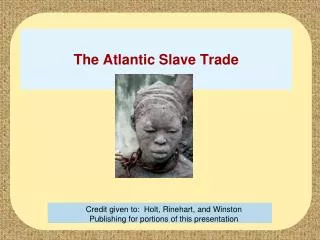
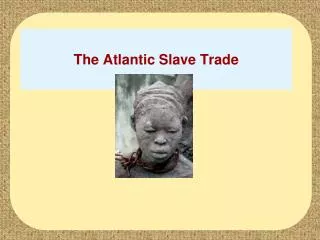
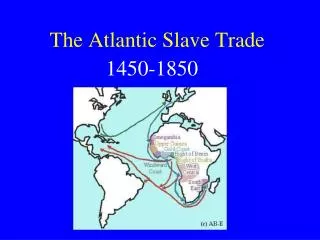
The Atlantic Slave Trade from the 1500s to the late 19th century drastically reshaped societies in Africa and the Americas. This overview covers the background, including sugar plantations and tobacco farms; causes such as the advantages of African labor; the scale of the trade with millions affected; and the Triangular Trade system. It discusses the horrific Middle Passage journey, the lives of enslaved individuals in America, and the long-term consequences, including lost generations and cultural impacts. Understanding this history is crucial for recognizing its enduring effects today.

Understanding the Atlantic Slave Trade: Key Points and Consequences
E N D
Presentation Transcript
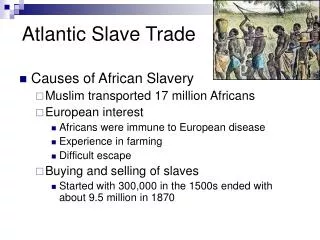
Key Point #1Background • Sugar plantations and tobacco farms • Native Americans • Africans
Key Point #2Causes • Advantages of Africans in the Americas • Immunity • Experience in farming • Escape
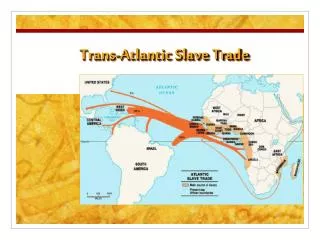
Key Point #3Atlantic Slave Trade • 1500-1600 (300,000) • 1700-1800 (1.3 million) • 1870 (9.5 million)
Key Point #4Triangular Trade Europe Cotton, Tobacco, Sugar North America & South America Guns, Manufacturers Slaves, Gold, Ivory Africa
Key Point #5Journey • The middle passage • Treatment
Key Point #6Life in America • Auctioned • Location of work • Violence • Hereditary
Key Point #7Consequences • Africa • Generations lost • Families torn apart • Guns • America • Labor/agriculture • Art, music, religion, food • And??????? • Make your connection
Connections • Experiential • General • Textual
HomeworkMain Idea + Connection • KP(1)+KP(2)+KP(3)+KP(4)+KP(5)+KP(6)+KP(7)=main idea. • No longer than ½ of a page.
The Columbian Exchange • Transfer of foods, plants, and animals Corn, potatoes, tomatoes, squash, pineapples, tobacco and cacao beans Horses, cattle, sheep, pigs, bananas, yams, black eyed peas, wheat, barley, rice and oats Disease (small pox and measles
Mercantilism • Power was based on wealth • Gold and silver vs balance of trade • Self sufficiency • New class of merchants