
Development and Luxury of Roman Villas in Britain: A Study of Chedworth and Beyond
This study explores the evolution of Roman villas in Britain, particularly focusing on Chedworth. It examines various factors contributing to the growth and luxury of these estates, including agricultural advancements, access to resources, and market connections. Key elements such as architecture, room layouts, decorative styles, and the historical context of villa ownership are discussed. Significant examples of villas, their size, function, and related archaeological findings, such as the 97 infant burials at Hambledon, provide insights into the societal structure and economic conditions of the time.

Development and Luxury of Roman Villas in Britain: A Study of Chedworth and Beyond
E N D
Presentation Transcript
Build here? • Need agricultural land. • Access to roads. • Access to towns for supplies. • Access to towns for markets. • Previous links to site? • Water supply. • Business or political links?
Problems with villas. • Short stay? • Who stayed? • How big were the estates? • Did they all have estates? • How much was functional? • Who owned the estates? • How many slaves? • 97 infant burials at Hambledon villa.
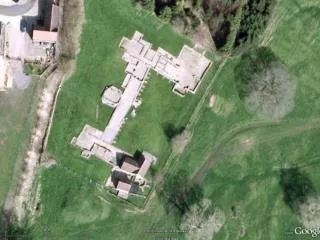
Chedworth • Lies in the Coln Valley • Faces east • Shelter from westerly winds • Continuous water supply • Good building stone nearby • Good road access to towns • The White Way and The Fosse Way • 22 other known villas in 10 mile radius of Chedworth • Growth mirrored by that of towns
How and why did villas in Roman Britain develop to become larger and more luxurious? Youshould support your answer with reference to specific examples of villas.[2011]
How: • detailed descriptions of ‘larger and more luxurious villas’ such as Chedworth, North Leigh, Woodchester; • their relative sizes and extent; • number and layout of rooms; • types of decoration, including mosaics and wall-painting as appropriate • (all these should be accurately cited and discussed); • timescales for the development of these examples, accurately cited (so far as is possible). • Why: • changes in agriculture leading to increased incomes for villa-owners; • the introduction of new crop types; • new types of tool (mould-board plough, scythe), and increased use of iron tools. • changes in layout of fields (longer strip fields against smaller square Celtic ones meaning less land is left fallow or unused, and more draught oxen can be employed); • corn-driers and granaries for storage; • influx of continental money.