Download
1 / 4
40 likes | 178 Views
Chemical Contaminants nitrates, phosphates, total dissolved solids. Nate Caldwell Shawn Sargent Zeke Plymesser. Nitrates.

E N D
Chemical Contaminants nitrates, phosphates, total dissolved solids Nate Caldwell Shawn Sargent Zeke Plymesser
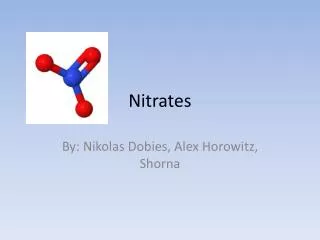
Nitrates • Nitrogen fertilizers are used to enrich soils. They can be carried by rain and irrigation through the soil into ground water. Human and animal wastes also contribute to excessive levels. • Concentrations of more than 10ppm have been shown to cause “blue-baby syndrome”, a potentially life threatening blood disorder.
Phosphates • There are many ways phosphates enter drinking water: • Human and animal waste • Phosphorus rich bedrock • Laundry/cleaning • Industrial effluents / fertilizer runoff • Eutrophication – natural aging process of a body of water • Cultural eutrophication – excellerated process caused by man’s addition of phosphates, nitrogen, and sediment in water
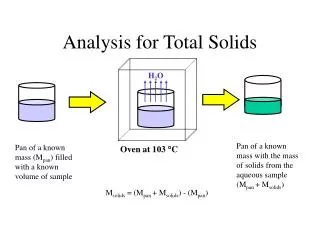
Total Dissolved Solids • Total dissolved solids (TDS) – measure of the amount of minerals in water • Originates from natural sources: mineral springs, carbonate deposits, salt deposits, sea water intrusions • Unnatural sources: roadway salt, anti-skid materials, drinking water treatment chemicals, stormwaterand agricultural run-off, and wastewater discharges