Download

1 / 3
0 likes | 1 Views
This blog explores how climate change affects health systems and outlines practical, scalable, and community-centered adaptation strategies that strengthen resilience for the future.<br>

E N D
Resilient Health Systems for a Heating Planet: Sustainable Approaches to Community Health Introduction As global temperatures continue to rise, communities around the world are experiencing a direct impact on their health, safety, and access to essential services. From heat-related illnesses to disrupted healthcare delivery, the climate crisis is no longer a distant threat—it is a present and growing challenge. Building sustainable health systems has become essential to protect people, reduce vulnerabilities, and ensure long-term community well-being. This blog explores how climate change affects health systems and outlines practical, scalable, and community-centered adaptation strategies that strengthen resilience for the future. Strengthening Climate-Resilient Primary Healthcare Primary healthcare facilities are often the first point of contact for vulnerable communities. But climate risks—heatwaves, floods, erratic rainfall—can interrupt service delivery. Key climate-resilient solutions: ● Integrating early warning systems to support preparedness ● Ensuring uninterrupted care through solar-powered energy backups ● Improving infrastructure to withstand flooding, storms, and temperature extremes ● Strengthening supply chains to avoid medicine shortages during climate shocks These interventions ensure that essential services continue despite environmental disruptions. Building Community Health Resilience Through Localized Adaptation Community-level adaptation is crucial because climate risks vary widely across regions. Localized approaches improve outreach, awareness, and long-term behavioral change.
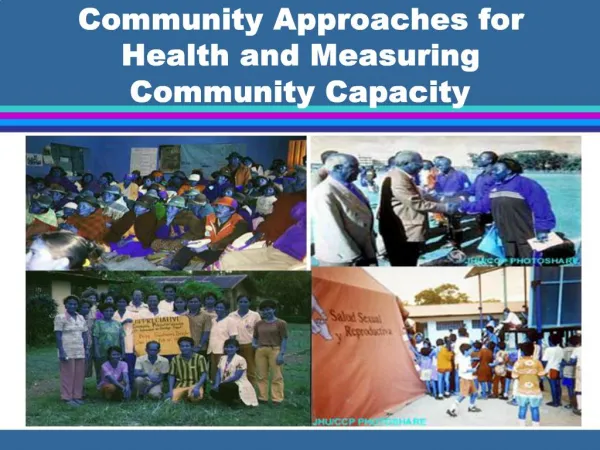
Effective community-based strategies include: ● Training frontline workers in climate-informed health responses ● Promoting heat-health action plans in urban and rural areas ● Establishing community groups focused on water safety, sanitation, and hygiene ● Encouraging climate-sensitive agricultural practices to ensure nutrition security Such adaptive measures increase preparedness while reducing long-term vulnerability. Integrating Environmental Health Solutions Into Health Systems Environmental degradation—air pollution, contaminated water, poor waste management—intensifies climate-related health challenges. Sustainable systems must integrate environmental health solutions into healthcare planning. Critical interventions include: ● Strengthening air quality monitoring and health risk communication ● Implementing climate-smart waste management in healthcare facilities ● Promoting safe water access and decentralized purification units ● Expanding green infrastructure like tree cover and natural cooling zones These actions reduce disease exposure and create healthier living environments. Leveraging Technology for Climate-Health Preparedness Technology plays a transformative role in making health systems resilient and future-ready. Key digital and tech-based solutions: ● Digital dashboards for tracking climate-sensitive diseases ● Mobile health platforms for real-time alerts and preventive guidance
● GIS mapping to identify high-risk communities and health hotspots ● Telehealth services to maintain access during extreme weather Tech-enabled systems help institutions anticipate climate threats, respond faster, and support underserved communities more effectively. Policy and Multi-Sectoral Action: The Foundation of Sustainable Health Systems Climate-responsive health systems require collaboration between governments, NGOs, healthcare providers, and community leaders. High-impact policy priorities include: ● Integrating climate resilience into national and local health plans ● Strengthening cross-sector cooperation between health, environment, and disaster management ● Increasing investments in climate-proof infrastructure ● Ensuring financial protection for at-risk communities Strong governance enables sustainable, inclusive, and long-lasting health solutions. Conclusion Sustainable health systems are no longer optional—they are critical for safeguarding community well-being in an era of climate uncertainty. By focusing on resilience, localized adaptation, environmental health, and technology-enabled preparedness, we can build systems that protect people today and strengthen communities for tomorrow. To explore deeper insights and long-term solutions that empower vulnerable populations, visit Swasti for more climate × health perspectives.