Explaining Observability Concepts_ OpenTelemetry for Python, SLOs, SLAs, SLI, and APM Metrics
E N D
Presentation Transcript
Explaining Observability Concepts: OpenTelemetry for Python, SLOs, SLAs, SLI, and APM Metrics In the dynamic world of software development, ensuring optimal application performance and user experience is a continuous pursuit. This guide delves into essential concepts for achieving this goal: OpenTelemetry for Python, sla slo sli meaning, and Application Performance Monitoring (APM) metrics. By mastering these areas, you can establish a robust observability strategy, gain deep insights into your application's health, and proactively address potential issues. 1. OpenTelemetry for Python: A Standardized Approach to Monitoring OpenTelemetry emerges as a game-changer, offering a vendor-neutral approach to collecting and exporting telemetry data (logs, metrics, and traces) in Python applications. Here's what sets OpenTelemetry apart: ● Vendor Agnostic: Compatible with various monitoring backends regardless of vendor, promoting flexibility and future-proofing your monitoring infrastructure. Language Neutrality: OpenTelemetry supports a wide range of programming languages, including Python, simplifying monitoring across your tech stack. Standardized Data Model: Ensures data is structured consistently, enabling seamless aggregation and analysis across different sources, regardless of the monitoring tool used. ● ● 2. OpenTelemetry in Action: Instrumenting Your Python Code OpenTelemetry empowers you to instrument your Python code to capture valuable telemetry data. Here's a breakdown of the process: 1. Install OpenTelemetry Python SDK: Utilize pip to install the opentelemetry-sdk package. 2. Choose Instrumentation Approach: ○ Manual Instrumentation: Write code to capture data points (logs, metrics, and traces) using OpenTelemetry APIs. ○ Auto-instrumentation: Leverage libraries like opentelemetry-instrumentation for automatic instrumentation of popular frameworks like Django or Flask. 3. Configure Exporters: Define exporters to send the collected telemetry data to your chosen monitoring backend. 3. A Practical Example: Instrumenting a Django View Imagine a Django view that retrieves user information from a database. Here's an example of manual instrumentation using OpenTelemetry: Python from opentelemetry import trace
from opentelemetry.exporter.jaegger import JaegerExporter from opentelemetry.sdk.trace import TracerProvider # Configure Jaeger exporter exporter = JaegerExporter( endpoint="http://localhost:14268/api/traces", process_name="my-django-app" ) # Create a tracer provider tracer_provider = TracerProvider() tracer_provider.add_span_processor(exporter) tracer = tracer_provider.get_tracer("my-app") # Instrumented code def get_user_info(user_id): with tracer.start_as_current_span("get_user_info"): # Retrieve user data from database user = User.objects.get(pk=user_id) # Return user information return user.to_dict() This example captures a trace named "get_user_info," tracking the entire process of retrieving user data from the database query to returning the results. 4. Understanding SLOs, SLAs, and SLIs: Defining Performance Objectives Service Level Objectives (SLOs): ● Quantifiable goals for critical aspects of your application's performance (e.g., 99.9% uptime, average response time under 200 milliseconds). Service Level Agreements (SLAs): ● Formal agreements between parties (e.g., service provider and customer) outlining expected performance levels. SLAs are often based on SLOs. Service Level Indicators (SLIs): ● Measurable metrics used to track progress towards achieving SLOs (e.g., response time, error rate). Relationship between SLOs, SLAs, and SLIs: ● ● SLIs provide data for evaluating SLO achievement. SLOs define what constitutes acceptable performance for your application.
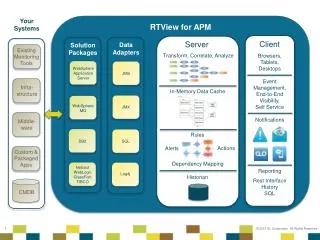
● SLAs (if defined) establish a formal commitment to those performance goals. 5. Leveraging APM Metrics for Effective Monitoring APM tools provide a comprehensive set of metrics to track application performance. Here are some key APM metrics: ● Response Times: Measure the time taken for an application to respond to user requests. This includes server response times, API response times, and database query times. Error Rates: Track the percentage of requests that result in errors. Analyzing error rates can help identify areas for improvement. Resource Utilization: Monitor CPU, memory, and network utilization to ensure your application has sufficient resources to operate efficiently. Transaction Throughput: Measure the number of requests processed by your application per unit of time. ● ● ●