Download

1 / 10
0 likes | 19 Views
Agriculture has evolved immensely in recent years, and with the increasing demand for food production, maximizing crop yield is more crucial than ever. One of the most effective methods to increase crop yield and ensure year-round production is through the use of greenhouses. Central to the efficiency of greenhouses is the quality of the greenhouse film used. With high-quality greenhouse film solutions, farmers and growers can optimize their environment, resulting in healthier crops and better yields. In this article, weu2019ll explore how using the best polyethylene film greenhouse solutions can

E N D
Singhal Industries Pvt. Ltd. GREEN HOUSE FILM
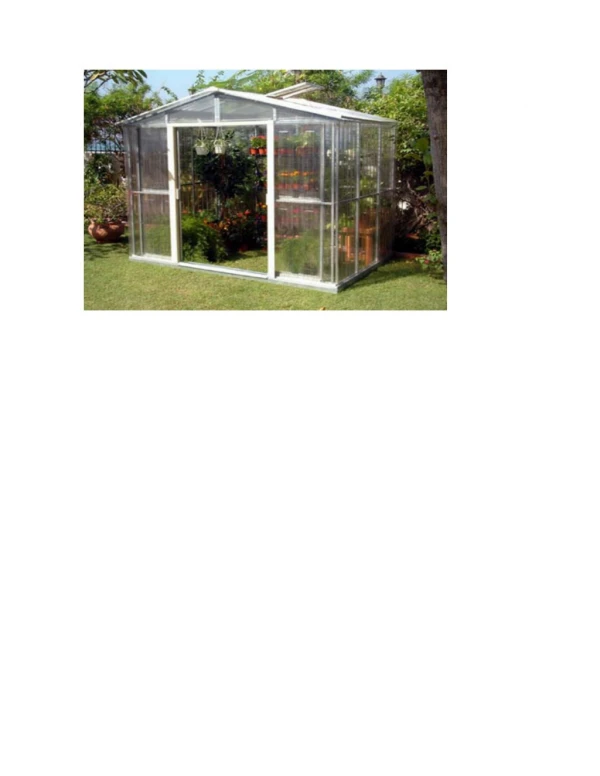
Maximizing Crop Yield with High- Quality Greenhouse Film Solutions Agriculture has evolved immensely in recent years, and with the increasing demand for food production, maximizing crop yield is more crucial than ever. One of the most effective methods to increase crop yield and ensure year-round production is through the use of greenhouses. Central to the efficiency of greenhouses is the quality of the greenhouse film used. With high-quality greenhouse film solutions, farmers and growers can optimize their environment, resulting in healthier crops and better yields. In this article, we’ll explore how using the best polyethylene film greenhouse solutions can help you achieve maximum results. Understanding the Role of Greenhouse Films in Crop Yield Greenhouse films play a critical role in regulating the internal environment of the greenhouse. The primary function of these films is to control temperature, humidity, and sunlight, all of which are essential for plant growth. The right film can enhance light diffusion, retain heat, and protect plants from harsh weather conditions. Among the most popular types of greenhouse films is the Polyethylene film greenhouse, known for its durability, flexibility, and affordability. It offers UV resistance, ensuring that crops receive just the right amount of light while being shielded from harmful UV rays.
The Importance of High-Quality Greenhouse Film Solutions Not all greenhouse films are created equal. Low-quality films can degrade quickly, lose their light transmission capabilities, and become ineffective in regulating the greenhouse’s internal environment. Over time, these deficiencies can negatively affect crop yields and the overall profitability of your farming operations. On the other hand, high-quality greenhouse film solutions provide long-lasting protection and consistent environmental regulation, directly impacting plant growth. Leading Greenhouse plastic manufacturers offer films that are tailored to different climates, crop types, and specific farming needs. Choosing a reliable supplier is, therefore, key to ensuring that the film you use can support your crops throughout their growth cycle. Benefits of Using Polyethylene Film for Greenhouses One of the most widely used materials for greenhouse films is polyethylene. The polyethylene film greenhouse is a preferred option for several reasons. First, polyethylene is a cost-effective material, making it accessible for both small and large-scale farming operations. Additionally, it provides excellent insulation, helping to maintain a consistent temperature inside the greenhouse.
Polyethylene film also allows for better light diffusion, ensuring that light is evenly distributed throughout the greenhouse. This even light distribution is crucial for promoting uniform growth among plants, preventing issues like overexposure or underexposure to sunlight. Furthermore, modern polyethylene films come with additives that enhance their durability and UV resistance, making them last longer and providing more value to the grower. Choosing the Right Greenhouse Plastic Suppliers When it comes to maximizing crop yield with greenhouse films, working with reputable Greenhouse plastic suppliers is essential. Quality suppliers offer a range of film solutions that cater to different types of crops, climates, and greenhouse structures. They also provide technical support, helping farmers choose the right product based on their specific needs. Suppliers that specialize in greenhouse plastic typically offer customized solutions, ensuring that the film’s properties align with your growing conditions. From UV resistance to anti-drip coatings, there are several features to consider when selecting a film. By working with experienced suppliers, you can ensure that you’re using a film that will help you get the best results from your crops.
Greenhouse Film Innovations for Better Crop Production The agricultural industry has seen many innovations in greenhouse film technology in recent years. These innovations are aimed at improving crop yields, reducing energy consumption, and making greenhouse farming more sustainable. For instance, some polyethylene films now come with infrared additives that help trap heat during the day and release it slowly at night, ensuring that plants remain at an optimal temperature. Additionally, many greenhouse plastic manufacturers now offer films with anti-fog and anti-drip properties. These features prevent the accumulation of water droplets on the film’s surface, which can block light and promote the growth of mold or diseases. By using films with these advanced features, farmers can create a healthier environment for their crops, leading to higher yields. Maximizing Light Transmission with the Right Greenhouse Film OLight is one of the most important factors in plant growth, and the quality of the light that enters a greenhouse can significantly impact crop yields. High-quality greenhouse films are designed to maximize light transmission while also diffusing the light evenly throughout the greenhouse.
Polyethylene film, for example, can allow up to 90% light transmission, ensuring that crops receive adequate sunlight for photosynthesis. At the same time, modern films include light-diffusing properties, which ensure that no part of the greenhouse is overexposed or underexposed to sunlight. This leads to more consistent growth patterns and healthier plants overall. Durability and Longevity of Greenhouse Films Another key consideration when choosing a greenhouse film is its durability. Greenhouse films are exposed to the elements year-round, and they need to withstand wind, rain, snow, and temperature fluctuations. High-quality polyethylene films are designed to last several years without degrading, making them a smart investment for farmers. Many greenhouse plastic manufacturers offer films with warranties of 3 to 5 years, which provides peace of mind that the film will perform well over time. Additionally, some films come with reinforcements or coatings that further improve their resistance to tearing, UV degradation, and weather damage.
Working with Trusted Greenhouse Plastic Manufacturers To ensure that you’re using the best greenhouse film for your crops, it’s crucial to work with trusted greenhouse plastic manufacturers. These manufacturers often have years of experience in the industry and are able to provide products that are both high-quality and cost-effective. Trusted manufacturers also understand the unique challenges that farmers face, from climate conditions to crop types, and can recommend the best film solutions accordingly. By partnering with a reliable manufacturer, you’re ensuring that your investment in greenhouse films will pay off in the form of better crop yields. The Environmental Benefits of Using High-Quality Greenhouse Films In addition to boosting crop yields, high-quality greenhouse films can also help reduce the environmental impact of farming. By using advanced films that improve energy efficiency, farmers can reduce their greenhouse’s reliance on artificial heating and cooling systems. This results in lower energy consumption and reduced greenhouse gas emissions. Additionally, many polyethylene films are recyclable, which helps minimize waste. By choosing eco-friendly solutions, farmers can contribute to a more sustainable agricultural system while also improving their profitability.
Conclusion: The Future of Crop Yield Maximization with Greenhouse Films In conclusion, the key to maximizing crop yield in greenhouses lies in the quality of the greenhouse film used. With high-quality polyethylene film greenhouse solutions, farmers can create the ideal growing conditions for their crops, improving light transmission, temperature regulation, and durability. By partnering with trusted greenhouse plastic suppliers and greenhouse plastic manufacturers, farmers can ensure they’re using the best products to support their crops year-round. As the agricultural industry continues to evolve, innovations in greenhouse film technology will undoubtedly play a crucial role in helping farmers meet the growing demand for food production. Whether you’re a small grower or managing a large-scale operation, investing in high-quality greenhouse films is a step toward ensuring long-term success and sustainability in your farming efforts. I
Frequently Asked Questions (FAQs) 1. Can greenhouse film be recycled? Many greenhouse films, especially those made from polyethylene, are recyclable. After their useful life, they can be collected and processed into new plastic products, making them an environmentally friendly option for growers. 2. Where can I buy high-quality greenhouse films? High-quality greenhouse films can be purchased from greenhouse plastic manufacturers and greenhouse plastic suppliers who specialize in agricultural films. These suppliers often offer a wide range of options tailored to specific climates, crops, and greenhouse structures. 3. How do I maintain and care for my greenhouse film? Regular maintenance of your greenhouse film includes cleaning it to ensure optimal light transmission and inspecting it for any signs of wear, tears, or damage. Repairs should be made immediately to prevent environmental exposure that can harm your crops.