Download

1 / 5
0 likes | 3 Views
Polypropylene (PP) woven bags have become a staple in the global packaging industry due to their strength, flexibility, reusability, and cost-effectiveness. Whether it's agriculture, construction, chemicals, or retail, these bags cater to a wide array of storage and transportation requirements. With a tightly woven structure using polypropylene strips, PP woven bags are not only durable but also environmentally conscious when used responsibly.

E N D
The Versatile Utility of PP Woven Bags in Modern Packaging Polypropylene (PP) woven bags have become a staple in the global packaging industry due to their strength, flexibility, reusability, and cost-effectiveness. Whether it's agriculture, construction, chemicals, or retail, these bags cater to a wide array of storage and transportation requirements. With a tightly woven structure using polypropylene strips, PP woven bags are not only durable but also environmentally conscious when used responsibly. In this comprehensive guide, we explore the significance, types, manufacturing process, and the evolving landscape of PP woven bags. Additionally, we will look at key aspects like the role of laminated variants, cost of production machinery, and what to consider when sourcing reliable plastic bag producers.
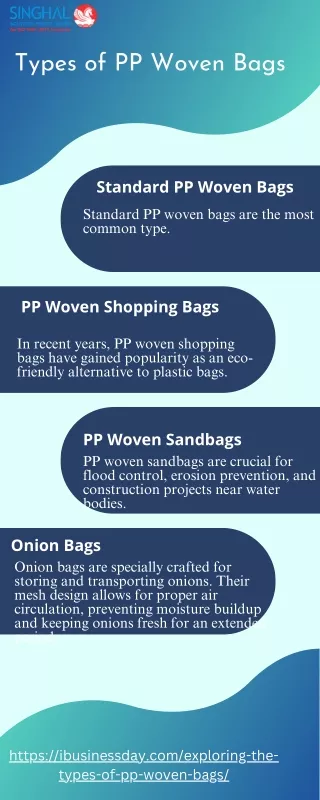
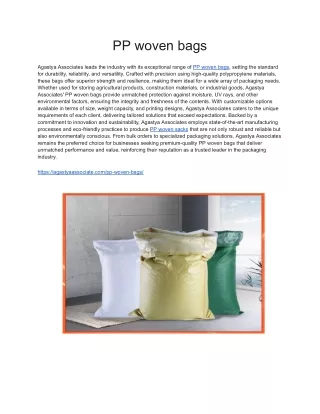
What Are PP Woven Bags? PP woven bags are packaging sacks crafted from polypropylene, a thermoplastic polymer renowned for its mechanical toughness and resistance to wear and tear. The fabric is formed by weaving polypropylene tapes in a crisscross pattern, creating a breathable yet strong packaging material. These bags are widely used for packaging commodities such as grains, fertilizers, cement, seeds, sugar, animal feed, and even shopping items. They can be customized in size, color, print, and finish, making them suitable for branding as well. Key Features and Advantages PP woven bags are known for their beneficial characteristics that make them stand out: 1.High tensile strength and durability 2.Lightweight yet capable of carrying heavy loads 3.Resistance to moisture, corrosion, and chemical wear 4.Reusability and cost-efficiency 5.UV resistance with optional coating 6.Recyclability depending on the treatment The growing demand for sustainable and durable packaging has made PP woven bags an essential choice for eco-conscious sectors. Types of PP Woven Bags PP woven bags are available in various types depending on the application: 1.Uncoated or plain woven bags 2.Laminated PP woven bags 3.Gusseted bags for increased storage 4.Valve type PP woven sacks 5.Liner bags (with internal polyethylene liner) 6.BOPP laminated bags for high-end branding The laminated variant especially serves industries requiring protection against moisture and dust. It involves bonding a polypropylene film to the fabric, adding an extra layer of resistance. For businesses looking to enhance the protective capabilities of their packaging, choosing a Laminated PP woven bag manufacturer is crucial. These laminated bags are ideal for fine powders, flour, and food products where external contamination must be prevented. A reliable laminated PP
woven bag manufacturer ensures quality bonding, print precision, and strength for demanding logistic environments. Applications Across Industries The versatility of PP woven bags allows them to serve various domains effectively: 1.Agriculture: Used for grains, seeds, and fertilizers 2.Construction: Packaging of cement, sand, and aggregates 3.Chemicals: Storage and transport of industrial powders 4.Retail: Custom-printed shopping bags 5.Food: Sugar, flour, and salt packaging Their water-resistant and breathable nature ensures the content inside remains fresh and free from fungal growth. The Manufacturing Process The production of PP woven bags involves a complex, yet efficient process: 1.Extrusion of PP granules into flat tapes 2.Winding of tapes onto bobbins 3.Weaving the tapes into fabric using circular looms 4.Cutting and stitching of bags 5.Optional lamination, printing, and gusseting For businesses or startups interested in producing PP woven bags locally, it is vital to evaluate the PP bag making machine price in India. The cost varies based on the machine’s automation level, production capacity, and features like printing and lamination units. Entry-level semi-automatic machines may cost less, but fully automatic machines offer better efficiency and scalability. Understanding the PP bag making machine price in India helps new entrants make informed investment decisions and choose equipment tailored to their volume and quality goals. How to Choose Reliable Plastic PP Bags Manufacturers Choosing the right supplier is as crucial as the bag itself. One should consider: 1.Quality certifications (ISO, SGS, etc.) 2.Material grade used (virgin or recycled PP) 3.Customization options in printing and size 4.Production capacity and delivery timelines
5.Pricing and export capabilities Engaging with trustworthy Plastic PP bags manufacturers ensures long-term reliability, consistent quality, and cost-effectiveness. These manufacturers offer tailored solutions for different industries, accommodating specifications such as UV stabilization, anti-skid features, or color-coded stitching. Establishing a partnership with reputed plastic PP bags manufacturers helps businesses maintain product integrity and streamline packaging logistics efficiently. Environmental Impact and Recyclability One of the greatest concerns in modern packaging is sustainability. PP woven bags, when reused and recycled properly, offer a much lower carbon footprint than single-use plastics. Many businesses now encourage return and reuse models where customers return bags for refilling, especially in agriculture and construction sectors. The recycling process of PP bags includes cleaning, shredding, melting, and re-pelletizing the plastic. These pellets can then be used to make new bags or other plastic items, fostering a circular economy. Market Trends and Innovations The PP woven bag market is seeing rapid innovation, such as: 1.BOPP (biaxially oriented polypropylene) laminated bags with photographic print quality 2.Biodegradable additives for enhanced decomposition 3.Anti-slip coatings for pallet stability 4.QR-coded packaging for traceability As global demand rises, manufacturers are also exploring eco-blends and automation to optimize production efficiency while minimizing waste. Conclusion PP woven bags have revolutionized bulk and retail packaging by offering an unbeatable combination of strength, flexibility, and sustainability. From simple storage sacks to printed laminated shopping carriers, their utility spans multiple sectors. With increasing emphasis on quality, automation, and eco-friendliness, the future of PP woven packaging appears not only stable but also progressive. Whether you're sourcing from a reliable laminated PP woven bag manufacturer or researching the right PP bag making machine price in India, understanding the full scope of this product category enables better business decisions. As innovation and market demand evolve, PP woven bags are set to remain an indispensable part of the packaging ecosystem.
Frequently Asked Questions (FAQs) Q1: What is the maximum weight a PP woven bag can carry? A: Depending on the denier (tape thickness) and weave, PP woven bags can typically carry between 5 kg to 100 kg. Custom specifications can go even higher with reinforced stitching. Q2: Can PP woven bags be printed for branding? A: Yes, PP woven bags can be printed using flexographic or gravure printing techniques. BOPP laminated variants allow for high-resolution graphics, making them perfect for branded packaging. Q3: Who is the largest manufacturer of PP woven bags? A: The title of the largest manufacturer of PP woven bags can be attributed to companies with high production volumes, international reach, and diversified offerings. Among them, Singhal Industries Pvt. Ltd. has emerged as a prominent player in the global market. Their strength lies in integrating technology with quality assurance, offering PP woven bags in various sizes, prints, and strengths. With a footprint in more than 80 countries, they are known for mass-scale production without compromising on customization or customer service.