Immunogenicity Overview of Therapeutic Biologics
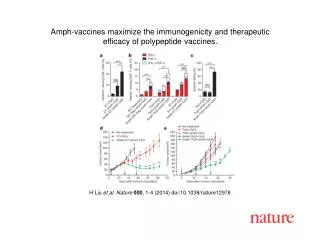
What is immunogenicity? The concept of immunogenicity is more complex. In the video, Immunogenicity is defined as the propensity of the therapeutic biologics to generate immune responses to itself and to related proteins or to induce immunologically related non clinical affect or adverse clinical events. There are two types of immunogenicity in therapeutic biologics development process: wanted immunogenicity and unwanted immunogenicity Wanted immunogenicity is typically related with vaccines, where the injection of an antigen (the vaccine) stimulates an immune response against the pathogen (virus, bacteria, cancer cell...) aiming at protecting the organism. Unwanted immune responses to therapeutic biologics may also neutralize their biological activities and result in adverse events not only by inhibiting the efficacy of the therapeutic biologics, but also by cross-reacting to an endogenous protein counterpart, leading to loss of its physiological function (e.g., neutralizing antibodies to therapeutic erythropoietin cause pure red cell aplasia by also neutralizing the endogenous protein). The meaning of immunogenicity in this overview is the latter adverse immune response in the therapeutic biologics discovery and development.
★
★
★
★
★
214 views • 11 slides