
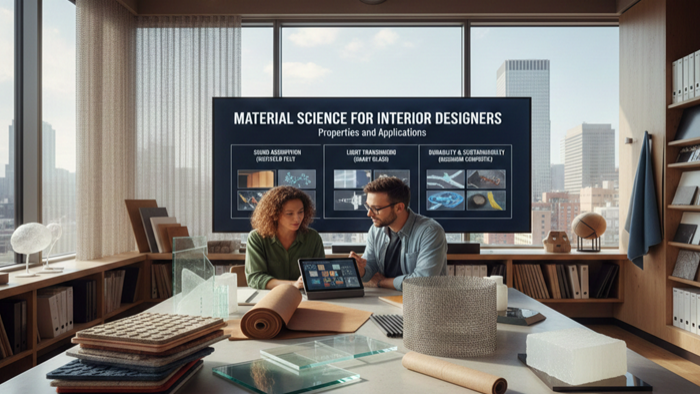
Material science forms the backbone of successful interior design projects. Whether you're working with a house designer in Jharsuguda or searching for a house designer near me, understanding material properties is essential for creating functional and aesthetically pleasing spaces.
Materials play a crucial role in the success of any interior design project, affecting the overall look, feel, and functionality of a space. The field of material science helps designers understand how different substances behave under various conditions, enabling informed decision-making throughout the design process.
Categories of Interior Design Materials
Interior design materials can be broadly classified into natural and synthetic categories, each with unique qualities, textures, colors, and capabilities. When consulting with a house design in Jharsuguda professionally, you'll encounter these distinct material families.
Natural Materials
Natural materials like wood, stone, leather, cotton, and wool are excellent choices in almost all design projects. Wood is one of the most versatile and appreciated materials in architecture and interior decoration. Its natural beauty, durability, texture, and ability to adapt to various styles make it a popular and timeless choice.
Stone adds unique textures and sophistication to surfaces like countertops and walls. Marble is a luxurious, timeless, and highly valued material, with natural beauty through color variations, vein patterns, and unique textures creating unparalleled visual appeal.
Synthetic Materials
Synthetic materials are integral to modern interior design, offering durability, versatility, and a wide range of aesthetic options. These materials have become increasingly important as technology advances, providing solutions that natural materials cannot always deliver.
Composite Materials
Composite materials merge the best attributes of multiple substances, offering enhanced durability, aesthetics, and functionality. Plywood comprises layers of wood veneers bonded together, presenting exceptional strength and stability, widely used in furniture, flooring, and architectural elements.
Laminate is a multi-layer synthetic flooring product that simulates wood or stone with a photographic applique layer under a clear protective layer, popular for its durability and ease of installation.
Key Material Properties for Interior Design
Thermal Properties
Thermal insulation involves selecting and placing materials that slow heat transfer between indoor and outdoor spaces. By reducing conduction, convection, and radiation, it stabilizes interior conditions, easing the burden on heating and cooling systems.
Different materials offer varying levels of thermal performance. For instance, mineral wool delivers reliable thermal and fire resistance, while foam boards offer excellent insulation efficiency. When working with a house design near me specialist, understanding these thermal characteristics helps create energy-efficient spaces.
Acoustic Properties
Sound insulation is vital for maintaining a comfortable and quiet living environment. The performance of acoustic materials is critically evaluated based on key metrics such as Sound Transmission Class (STC) and Noise Reduction Coefficient (NRC). Fiberglass offers both thermal and acoustic insulation, being long-lasting and fireproof. Mineral wool is moisture- and fire-resistant, easy to cut and fit, and offers more sound absorption than traditional fiberglass. Polyurethane foam is an excellent choice for absorbing high-frequency sound waves. Natural fiber-based insulation, such as hemp, date palm, flax, jute, and sheep wool, is gaining attention for its biodegradability, renewability, and low environmental impact. These materials offer excellent thermal and acoustic properties and have a lower carbon footprint compared to synthetic alternatives.
Fire Resistance
Fire resistance refers to the ability of a material or structure to withstand fire or to provide protection against it. It encompasses how long a material can confine a fire and how effectively it can prevent the spread of flames. Gypsum board, also known as drywall, is the most common fire-resistant interior finish. Type X gypsum board is specially treated with additives to improve its fire-resistive qualities. The paper on the exterior burns slowly and doesn't contribute to fire spread. Additionally, gypsum board has a noncombustible core that contains chemically combined water in calcium sulfate. When affected by fire, this water comes out as steam, effectively impeding the transfer of heat through the gypsum board. Concrete is one of the most fire-resistant building materials available. Made from a mixture of cement, sand, and water, it does not burn and has exceptional thermal insulation properties. It can withstand extremely high temperatures, making it suitable for foundations, walls, floors, and roofs.
Moisture Resistance
Controlling moisture is critical to ensuring the long-term durability of buildings. Left unchecked, the slow creep of moisture can cause mold and bacteria growth, wood rot, and insect infestations that diminish indoor air quality. High-performance gypsum panels are encased with fiberglass mat that make them moisture resistant. Enhanced moisture- and mold-resistant cores encased in specially designed acrylic-coated glass mat facers provide superior protection against moisture and humidity, making them ideal for bathrooms and shower rooms. Stucco, while fire-resistant, has regional limitations due to its permeability. The material's ability to absorb moisture means it is not ideal for installation in areas with high humidity, as this can lead to mold and mildew growth.
Applications in Residential Design
Professional house designers in Jharsuguda and throughout the region apply material science principles to create functional living spaces. Understanding how materials perform helps designers select appropriate options for different areas of the home.
Flooring Applications
Wood can be used in multiple applications, from flooring to wall coverings, ceilings, furniture, and decorative elements. Laminate wood parquet is not glued on the floor surface but is laid over a mattress to provide sound insulation and joined to each other by glue. Terracotta tile is produced by baking a clay-rich ceramic dough above 1000°C degrees. Due to its high baking degree, it has low porosity and impermeability. To increase the adhesion surface, grooves are opened under tiles, and they are installed with cement-based adhesive mortar.
Wall and Ceiling Materials
Interior finishing materials visually identify and reflect the character of the space. Glass has started to be used in large sizes and for different features in different parts of buildings, making connections between interior and exterior spaces. Ceramic tiles are valued for their resistance, versatility, and variety of colors, patterns, and textures. Fiber-reinforced concrete enhances traditional concrete's properties by including fibrous materials to improve its tensile strength, making it a versatile choice for panels, counters, and decorative items.
Sustainability Considerations
Sustainability is an important consideration in interior design material choice. Eco-friendly materials like bamboo, cork, and reclaimed wood are becoming increasingly popular due to their sustainability and durability. Many manufacturers are developing sustainable materials and production methods to reduce waste and environmental impact. When selecting materials for interior design projects, considering the impact of choices on the environment and choosing materials that are sustainable and eco-friendly whenever possible is becoming standard practice. Cork is a versatile and resilient material. Its honeycomb structure is filled with gases, providing excellent thermal and acoustic insulation. Naturally waterproof and able to sequester carbon dioxide from the atmosphere as it grows, cork is ideal for applications in the construction sector, including flooring, wall coverings, and insulation boards.
Material Selection Guidelines
When selecting materials for interior design projects, it's important to consider the properties of each material. Natural materials like wood and stone are durable and have a timeless quality, while synthetic materials like plastics and laminates are more affordable and versatile. Consider the durability, texture, color, and maintenance requirements of each material before making selection. Materials contribute to the color palette and textures of a room, affecting the visual and emotional perception of spaces in many ways. The selection of wall coverings, flooring, furniture, fabrics, and decorative pieces contributes to the visual identity of the space. Different materials can convey different styles and atmospheres, allowing designers to personalize spaces according to client preferences.
Working with Professional Designers
Whether you're consulting with a house designer Jharsuguda professional or working with designers in other locations, material science knowledge enhances the design process. Designers must consider not only the visual beauty of materials but also the sensations and emotions they evoke to create visually attractive and emotionally impactful spaces.