Mitochondrial DNA and Human Evolution: Insights into Our Ancestral Journey
410 likes | 522 Views
This research explores mitochondrial DNA (mtDNA) and its role in understanding human evolution. Tracing our ancestry back to Africa 150,000 years ago, it details the migration of early humans, focusing on the small group that left about 60,000 years ago, marked by the survival of two female lineages, M and N. This article discusses how these historical movements shaped the genetic diversity we see today across continents, emphasizing mtDNA's practical applications in forensics and genealogical research. Key visuals and DNA sequence examples enhance the understanding.


Mitochondrial DNA and Human Evolution: Insights into Our Ancestral Journey
E N D
Presentation Transcript
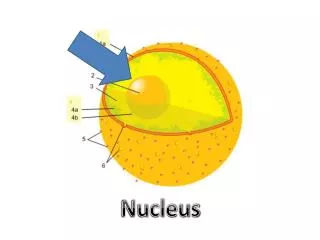
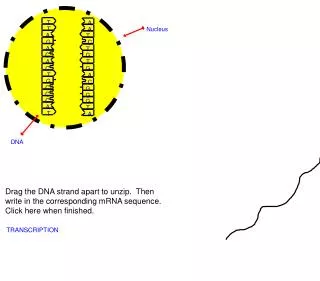
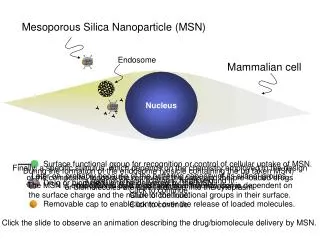
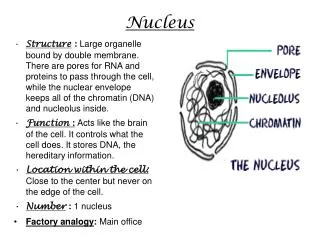
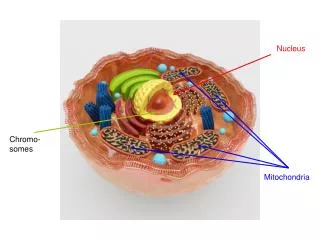
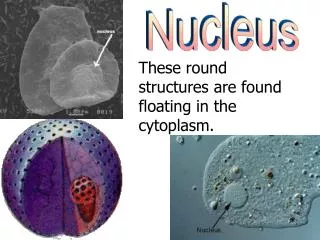
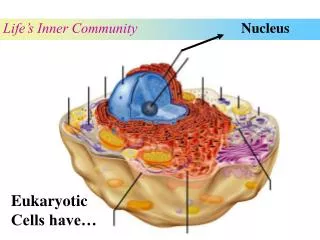
mitochondrion Research focus:mtDNA nucleus In Matrix: Mitochondrial DNA (mtDNA) Graphics: Kline, KSU Ohio Jakubowski, CSB Minnesota Wang, UBC Canada
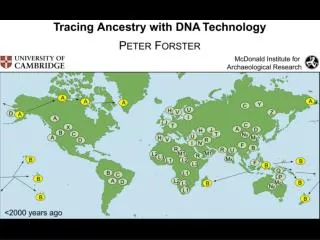
Summary Humans evolved in Africa about 150,000 years ago. An expansion within Africa led to an exodus out of Africa 60,000 years ago. The group leaving Africa was very small: only two female lineages, M and N, have survived in non-Africans today. Descendant founder populations settled Australia, Eurasia and America during windows of opportunity in sea levels and climatic conditions. These Ice-Age movements 60,000-11,000 years ago have largely shaped the human gene pool visible today.
Handout • Genetic world chronology: www.mcdonald/cam.ac.uk/genetics
Practical mtDNA applications • Forensics • Genealogical research
Frankfurt 1 stat. Schwerpunkt der 4 Treffer (C) 3 genaue HV1- Treffer (rot) 1 verwandter HV1- Treffer (gelb) Ergebnis der weltweiten HV1-Suche: beste und zweitbeste Treffer alle in Sizilien
Frankfurt 2 Frequenz in Europa (Island bis Tuerkei): 9 Treffer in 2608 europaeischen HVS1&HVS2 Sequenzen