
Num Dum Case Study
This case study examines the relocation of 17 villages to accommodate a 1,500 MW power generation project. The resettlement impacts 14,000 hectares of forest and inundates three historical sites. A critical analysis of the planning zone of discharge and water levels is conducted, highlighting compliance with Article 6A. Examples illustrate potential violations of discharge limits, with significant focus on the implications for mean monthly flows at Mukdahan and Pakse, ensuring future water management adheres to regulatory standards. Your attention is appreciated.
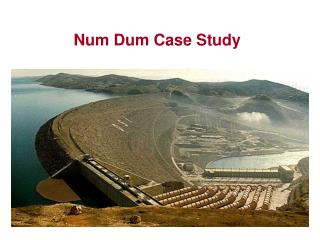

Num Dum Case Study
E N D
Presentation Transcript
Blue: Existing Villages Red: Resettlement Sites 14000 hector of forest inundated 3 historical sites inundated
PLANNING ZONE OF DISCHARGE AND WATER LEVEL This zone extends from the estimated mean monthly discharge for the baseline scenario down to a lower statistical tolerance level. If a development scenario causes average monthly discharges to fall below this tolerance level then it has not conformed with Article 6A
Article 6A: Example Mukdahan A 300 cumec capacity right bank diversion out of the mainstream is proposed during the dry season, located downstream of Nong Khai, would contravene Article 6A by shifting mean monthly flows at Mukdahan way below the permitted tolerance level. Mean monthly flows after mainstream diversion scenario. Pakse Much further downstream, however, at Pakse, Article 6A is not contravened since, although the dry season mean discharges have been decreased, they still lie above the permitted 6A threshold level as a consequence of lateral inflows and return flows.