Enhancing Global Observing Systems through WIGOS: A Framework for Improved Management
The WMO Integrated Global Observing System (WIGOS) takes a user-centric approach to enhance the management of global observing systems. By utilizing Quality Management Framework (QMF) principles, WIGOS aims to improve governance, integrate current systems, and foster collaboration with partners. The framework prioritizes regional needs, adheres to international standards, and incorporates a continuous improvement process. Key stakeholders, including regional associations and technical commissions, will collaborate to draft standards, develop manuals, and ensure effective training to meet evolving observing requirements.

Enhancing Global Observing Systems through WIGOS: A Framework for Improved Management
E N D
Presentation Transcript
WMO 1 1
WMO 2 2
WIGOS is about … • Improved management of observing system meeting users requirements derived from a services delivery perspective, utilizing QMF principles and implemented through a continuous improvement process.
How WIGOS will work • Implementing a framework for: • Better governance, • Improved management, • Integration & optimization of the present observing systems, • Enhanced collaboration with Partners;
How WIGOS will work • Observing Requirementsdriven, • Regions Priorities respected, • International Standards & Best Practicesutilized, • Quality Requirements met, • Quality Management System implemented, • Capacity Building requirements and training activities reflected;
Who will build WIGOS • Members; • Regional Associations; • Technical Commissions; • WMO Secretariat; • Partner Organizations;
Who will build WIGOS • Technical commissions: • Technical support to Members through: • drafting standards & best practices and • development of WIGOS related manuals, guides & guidelines;
WIGOS Strategic Roadmaps & Phases Testing of concept (2007-2011) Implementation (2012-2015) Operations (2015 - … ) WDIP WIGOS Manual CONOPS CONOPS W I P WDIS WMO Regulatory Material WIGOS Imperative 10/22/2019 8 : Reference for
Standardization and Quality Management Users QMF Standards Instruments and methods of observation standards Data Processing and Forecasting WIS Standards for Data & Metadata exchange & Discovery, Access and Retrieval (DAR) Services Observations for Weather, Climate, Water, Ocean, … Archiving Active Quality Management • Three key areas on Standardization • Instruments and Methods of Observation; • WIS information exchange and discovery; • Quality Management Framework.
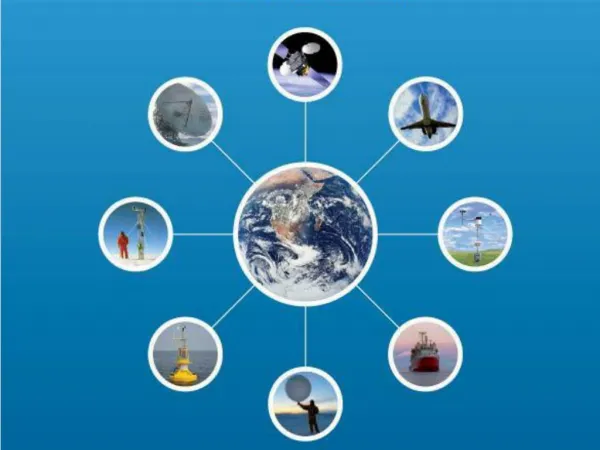
Integration • Composite systems, ‘network of networks’ • Integration through various aspects • Support for diverse user needs • Systems optimised for efficiency and effectiveness • Integration of data through NWP • End-to-end service delivery model
Integration (2) • Network of networks • Owned ‘core’ and contributed ‘third party’ networks • Policy and management framework • Tiered approach to quality, observations, networks, data management, operational support, replacement, etc • Partnership and/or collaboration mechanisms • End-to-end data framework – principles, policies, processes • Integration NOT ‘one size first all’ • Coordination communicating, sharing, optimizing • Interoperability key to turning observations into effective data that meets real needs