Understanding Boiler Over-Sizing: Causes, Challenges, and Solutions
80 likes | 205 Views
Boiler over-sizing is a common issue driven by external temperatures, leading to inefficiencies and wasted energy. Typically, boilers are only operating at maximum load a fraction of the time, causing repeated start-stop cycles that waste approximately 40% of energy. This issue can be attributed to reliance on outdated design principles within the built environment, resulting in dissatisfaction among users. Understanding and addressing these factors through capacity building, specialist knowledge, and tailored design advice can significantly enhance energy management and operational efficiency in hotels and similar environments.


Understanding Boiler Over-Sizing: Causes, Challenges, and Solutions
E N D
Presentation Transcript
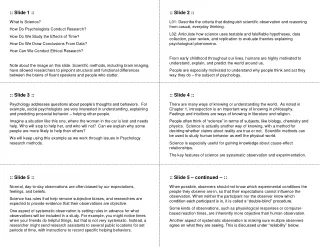
SLIDE 1 Boilers over-sizing Numbers of reasons – see list! Regardless of the foregoing, all non-process boilers are oversized anyway
SLIDE 2 oversized anyway! The primary driving force is outside temperature. If a boiler is properly sized for cold conditions (the norm), say, minus 3C outside, then it is over-sized when the outside temperature is greater than minus 3C (and undersized below –3C) Typically; boilers operate at less than 75% of maximum load for 75% of the time, and, at less than 50% of maximum load for 50% of the time
SLIDE 4 Over-sizing can lead to repeated start/stop, which leads to wasted energy ~40% ?
SLIDE 5 General observations: A. Hotel staff (Hoteliers?) are reliant on external knowledge base (seek specialist advice), and there is none (caveats: if there is it may be locally limited; may be particularly costly; may be …don’t know ? …) B. Built Environment designs are: typical / traditional / off-the-shelf \ not Low C / Low E / Sustainability – Green, environmentally conscious … B. M&E Designs are typical / traditional / off-the-shelf \ not Low C / Low E / Sustainability – Green … C. Installed services are desultory (use thesaurus for all applicable synonyms!)
SLIDE 6 Upshot:- Inability to match load under varying conditions Complex control ‘boxes’ - no-one really understands all the parameters People lose control of their environment – dissatisfaction SEI Energy management: Technical – how does it work? how do I control it? People – lost! frustrated Organisation/information – who cares anymore? Leading to: Wasted energy Increased wear and tear / call-outs / whatever?
SLIDE 7 Capacity Building Capacity building refers to assistance which is provided to entities that have a need to develop a certain skill or competence, or for general upgrading of performance ability … capacity building is the creation of an enabling environment
SLIDE 8 Capacity building :- A. creation of an enabling environment – need to expand specialist knowledge base B. creation of an enabling environment – need to build-up knowledge base (for all budding built environment practitioners via schools colleges universities / seminars & workshops) C. creation of an enabling environment – need to educate tradespersons (electricians, plumbers, Pat-the-builder, and so forth) D. Design Advice Service from SEI