Download
1 / 9
90 likes | 214 Views
Creating A Resilient Community Through Public -P rivate Partnership and Power of Sports ー Lessons Learned from The Great East Japan Earthquake ー. May 21, 2013. NPO Folder (Iwate, Japan) Michio Shito Aki Murasato Wataru Kitahora Sakura Sato. Questions to Answer….

E N D
Creating A Resilient Community ThroughPublic-Private Partnership and Power of Sportsー Lessons Learned from The Great East Japan Earthquake ー May 21, 2013 NPO Folder (Iwate, Japan) MichioShito Aki Murasato WataruKitahora Sakura Sato
Questions to Answer… How could sports respond to disaster situations? How much could a community-based NPO do?
Community Sports Club One club in a town Sports × Community Building Multi-generation Multi-activities Elite Athletes × Community Sports
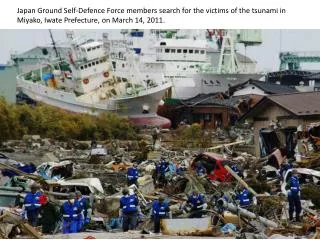
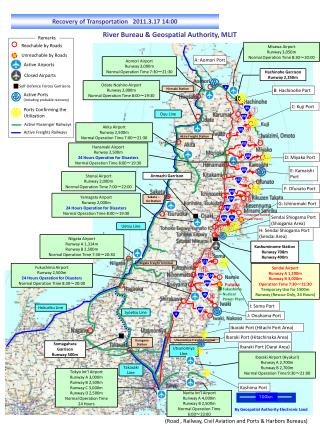
Post-Disaster Relief Rikuzentakata, Iwate March 11, 2011 M9.0 Earthquake, Tsunami • 〈After March 11 to 3 months〉 • Shelter management • Needs-based supply • 〈After 6 months to 1 year〉 • Exercise classes • Sports events Ofunato, Iwate • 〈After 1 year to current〉 • Exercise classes • Sports clubs established
Creating Resilient Communities 1. Establishment of sports club • Tsunami survivors: Lack of physical activity and opportunity to communicate, destroyed communities • Community building (Rikuzentakata, Ofunato) 2. Disaster Key Club • One club in a prefecture assigned • Volunteer- and supply- location