Download
1 / 6
60 likes | 200 Views
Cell membranes play a crucial role in surrounding cells and regulating the movement of chemicals in and out. Composed mainly of proteins and lipids, they serve as a protective barrier and a structure for various functions. Membrane lipids, including phospholipids, glycolipids, and cholesterol, exhibit both hydrophilic and hydrophobic properties, contributing to membrane stability. Membrane proteins facilitate critical processes such as transporting hormones, enzymes, and electrons while aiding in ATP release. This overview highlights the importance of membranes in cellular processes.

E N D
Protein Membranes By Simon Da Silva
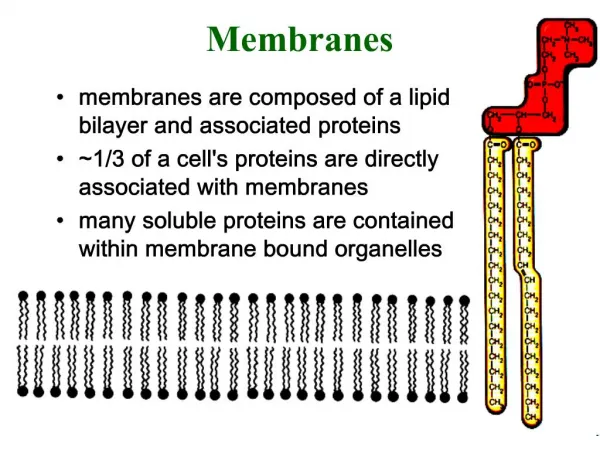
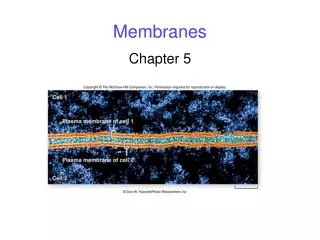
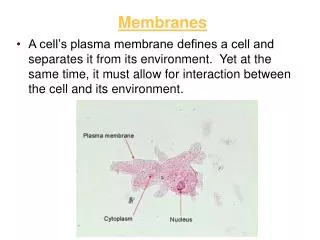
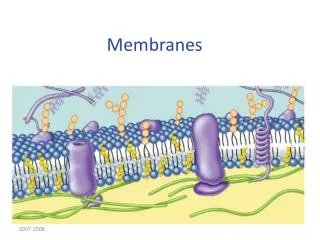
Membranes • Membranes surround cells and control the chemicals moving in and out • Contains various chemicals, mainly proteins and lipids • The membrane also serves as a cell wall • Membrane lipids- made of phospholipids, glycolipids, and cholesterol.
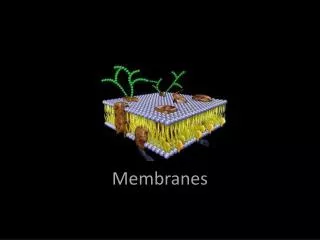
Phospholipids • Hydrophilic - atracted to water • Hydrophobic – not attracted to water but to each other • Phospholipid are both philic and phobic • Phosphate head is hydrophilic and the two tails are hydrophobic • This makes a very stable membrane
Membrane Proteins • Transport hormones, enzymes, electrons, specific substances, and release ATP.