Download
1 / 10
100 likes | 190 Views
Welcome to the Cardiovascular Health Program introduction. Learn about heart attacks, their symptoms, and the importance of timely action. Understand how heart disease develops, warning signs of a heart attack, and why calling 911 promptly is crucial. Discover controllable risk factors and what you can do to reduce them, such as making lifestyle changes and seeking help to quit smoking. Be an essential link in the heart attack chain of survival by knowing the signs, calling 911, and sharing your knowledge. Thank you for your commitment to heart health!

E N D
know the Signs of Heart AttackDon’t Miss a Beat Welcome Cardiovascular Health Program
Introduction Do you know a friend or relative who has had a heart attack, or have you ever had a heart attack yourself?
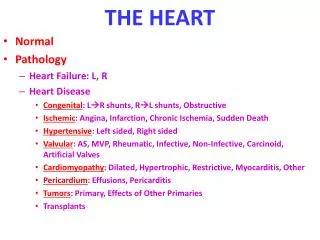
What is a Heart Attack andWhat does it look like? • Heart disease develops over time as fatty build-up, or plaques, which can narrow the path of blood flow to the heart • Plaque breaks, causing a blood clot • Blood flow is blocked by the clot, causing a heart attack • If blockage continues, heart muscle dies Time = Muscle
Warning Signs of Heart Attack • Chest pain or discomfort • Pain or discomfort in the jaw, neck or back • Feeling weak, lightheaded, faint or sweaty • Pain or discomfort in the arms or shoulders • Shortness of breath 911
Delay Can be Deadly • Patient delay is the biggest cause of not getting care fast • Do not wait more than a few minutes —5 at the most— to call 9-1-1
Go in an Ambulance! • Emergency providers can monitor the condition and begin treatment on the way to the hospital • They can communicate with Emergency doctors • Person having a heart attack will be seen more quickly • Emergency Room can prepare for arrival Time = Muscle
Controllable Risk Factors • Smoking • Diabetes • High blood cholesterol • High blood pressure • Overweight/obesity • Physical inactivity
What you can do: • Reduce intake of fatty foods and eat more fruits and vegetables • Walk 30 minutes a day • Exercise reduces the risk of stroke, heart disease and other conditions • Healthy Maine Walks: www.healthymainewalks.org • If you smoke or chew tobacco, stop! • Maine Tobacco HelpLine: 1-800-207-1230
You are an important link in the heart attack chain of survival! • Know the signs and call 911 for heart attack • Know your risk factors and how to lower them • Take a community CPR/AED* class • Share your knowledge!! THANK YOU! *Cardiopulmonary Resuscitation/ Automated External Defibrillator
For More Information • Local Contact: email: website: phone: • Maine CDC Cardiovascular Health Program www.healthymainepartnerships.org/mcvhp • Maine Quality Forum, “In a Heartbeat” www.mainequalityforum.gov/inaheartbeat.html