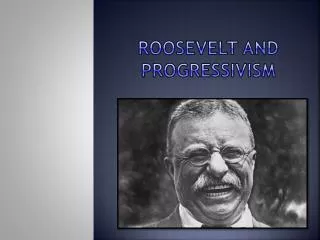

Roosevelt and Progressivism
E N D
Presentation Transcript
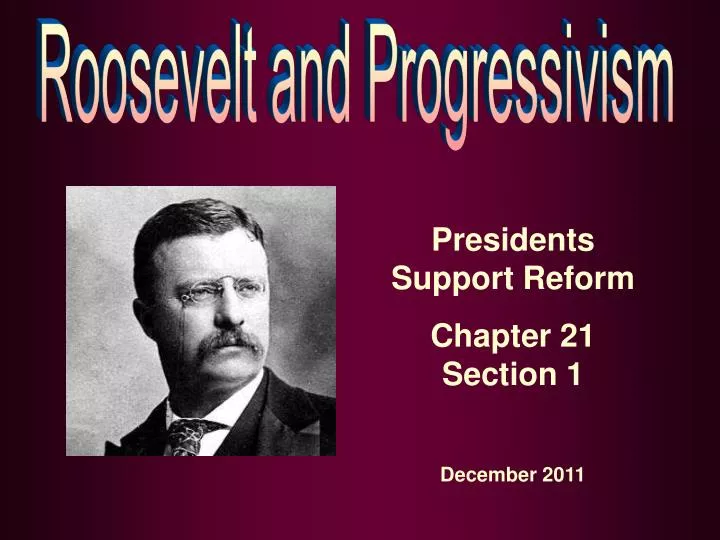
Roosevelt and Progressivism Presidents Support Reform Chapter 21 Section 1 December 2011
TR's Career: NY Legislature (age 26) Civil Service Commission NY Police Chief Asst. Secretary of the Navy Governor of NY, 1898
Temple of Music at night, Pan Am Exposition Buffalo, NY 1901
Last Photo taken of President McKinley as he enters the Temple of Music at Pan Am Expo in Buffalo Sept. 6, 1901
Wilcox Mansion, Delaware Ave., Buffalo. Theodore Roosevelt Inauguration Site.
The "Square Deal" Purpose of Government is to ensure fairness for workers, consumers, and big business.
The "Square Deal" Government should ensure that all groups in America have an equal opportunity to succeed. Helps TR win 1904 Election by a landslide.
TR the "Trustbuster" Preferred to control & regulate trusts Supported many labor unions (coal miners in PA)
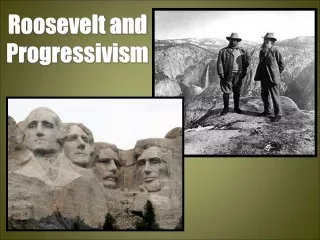
TR Reforms: Meat Inspection Act 1906 Pure Food Act 1906 Conservation: 170,000 acres of Nation Parks
William Howard Taft: Elected President in 1908 Addressed Child Labor Problem Busted more trusts than TR
TR runs again in 1912 on Bull Moose Ticket. Three way race allows Woodrow Wilson to be elected.
2. Donkey = Democrats Elephant = Republicans
3. Glasses Mustache Toothy Smile
4. Roosevelt has changed from an elephant (Republican) to a moose (Progressive Party). Also, he has taken money from trusts (see barrel of water).
Wilson's "New Freedom" Promoted free enterprise Federal Reserve Act 1913 Federal Trade Commission (FTC) to regulate business practices
Wilson's "New Freedom" Support for passing the 17th Amendment: Direct Election of US Senators.