Download
1 / 8
80 likes | 236 Views
Intentional torts involve harm caused by deliberate actions, distinct from negligence. Key elements include duty, breach, causation, and damages. Actions like battery require intent, harmful contact, and causation to the plaintiff's injury. Intentional Infliction of Emotional Distress (IIED) necessitates extreme behavior causing severe emotional harm. Defamation, both slander and libel, harms reputations, with defenses like consent, privilege, and self-defense available. Understanding different torts and their legal defenses is essential for personal injury claims.

E N D
Intentional Torts Injury to Persons
Review of Negligence • 4 elements • Duty • Breach • Causation • Damages
Intent • Doing something on purpose • Want, desire, purpose, for the consequence to happen OR • Know to a substantial certainty that the consequence will happen
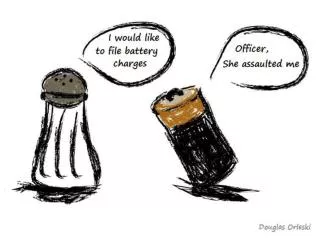
Battery 4 elements: • intent, • chose to commit the act • a harmful or offensive contact • to the plaintiff’s person
Intentional Infliction of Emotional Distress (IIED) 3 elements • intentional or reckless behavior • extreme and outrageous • the cause of severe emotional distress.
False Imprisonment 3 elements • Restraint of person • Plaintiff’s physical liberty lost • Plaintiff suffers loss of freedom
Defamation • Slander: Untrue oral statements that harm a person’s reputation • Libel: Untrue written statements that harm a person’s reputation • Media protected by freedom of press- must prove actual malice for lawsuit
Defenses • Consent: plaintiff agreed to harmful conduct • Children horseplaying • Privilege: legal authority justifies conduct • Police officers, parents, property owners • Self-defense: reasonable force to protect oneself • Fending off “beat-downs” • Mutual combat (fights) not considered