Download
1 / 15
150 likes | 260 Views
This analysis delves into the intricacies of protagonist and antagonist characteristics within narrative structures. We explore physical, mental, moral, and behavioral traits, contrasting motivations and roles. The study examines dynamics of change, static versus dynamic characters, and how these elements influence plot progression. Key themes include exposition, conflict, climax, and resolution, as well as narrative perspectives. Through this exploration, we aim to reveal how character development shapes the overall story and resonates with audiences.

E N D
Traitscharacteristics • Physical • Mental • Moral • behavioral
antagonist • Differences
motivations • Primary motivation • Is it reasonable? • Does he/she fully understand the motivations?
Dynamic ( round) • Is the protagonist • changed? • Or • tested • by the events of the story?
Static (flat ) • Fixed character • Stock character
settings • Time—when • Place (space)—where • Atmosphere Mood • Backdrop context
settings • External reality • Internal reality (personality)
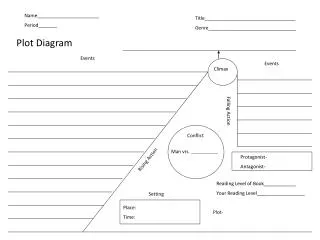
Plot • Exposition • Rising action • Conflicts • Complication • Suspense
Foreshadowing • Crisis • Climax • Falling action • Conclusion • Denouement • Resolution • revelation
Chronological order • In medias res • (in the middle of things) • Flashback • Retrospect
Point of View • Narrative perspective • Narrator a Participant (first person) • 1. a major character • 2. a minor character
Narrator a nonparticipant (third person) • 1. all knowing --- omniscient • 2. seeing into one major character • 3. seeing into one minor character • 4. objective – fly on the wall
Stream of consciousness • Interior monologue
theme • General idea or insight the entire story reveals