
Comprehensive Overview of the Software Design Process in Engineering Projects
E N D
Presentation Transcript
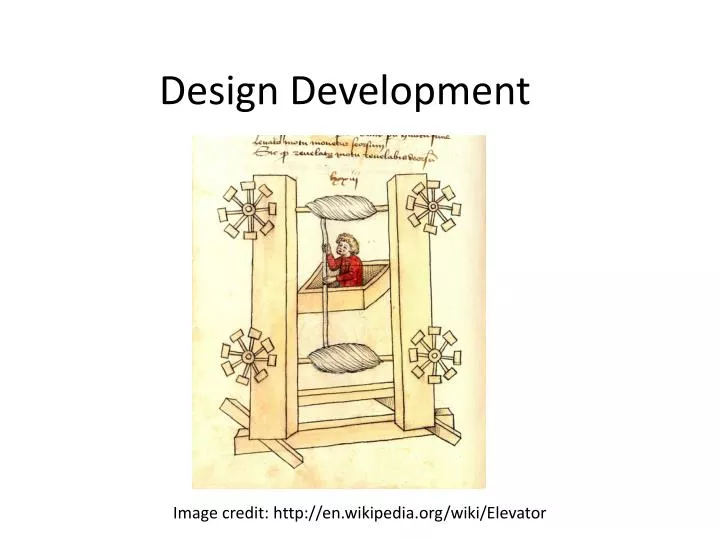
Design Development Image credit: http://en.wikipedia.org/wiki/Elevator
Software Design Process Image credit: http://en.wikibooks.org/wiki/Introduction_to_Software_Engineering/Print_version
Tools • On-line reference • Tools • Gantt chart • Decision matric • Brainstorming • Design Reviews • Concepts • Functional redundancy • Data logging
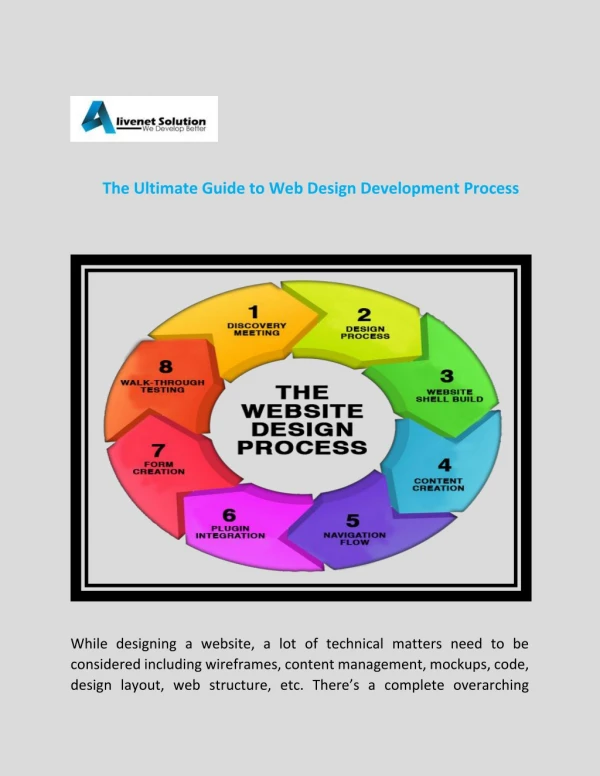
Overview of the Design Process • Establish a need Done • Develop project plan Today’s objective • Determine engineering specifications 11/05 • Research possible solutions • Develop concepts 11/19 • Define primary concept and alternatives • Analyze tradeoffs • Develop product design Final exam meeting • System integration
Develop Project Plan • Identify tasks & objectives • Develop a task sequence • Estimate personnel, time, and other resources needed for each task • Form design teams
Competition Rules • Summary from the semester start
Identify Tasks • Major Components: • Controller • Drive train • Launcher • Color sensors • Power supply • … Image credit: http://www.instructables.com/id/RC-Nerf-Tank/
In-Class Activity 1 • Identify tasks & objectives • Develop a task sequence • Estimate personnel, time, and other resources needed for each task • Form design teams
In-Class Activity 2 • Identify tasks & objectives • Develop a task sequence • Estimate personnel, time, and other resources needed for each task • Form design teams
In-Class Activity 3 • Identify tasks & objectives • Develop a task sequence • Estimate personnel, time, and other resources needed for each task • Form design teams
In-Class Activity 4 • Identify tasks & objectives • Develop a task sequence • Estimate personnel, time, and other resources needed for each task • Form design teams
Requirements for Design Brief (11/05) • What is a design brief? • Requirements for 11/05 • Detailed functional specifications • Detailed interface specifications • Hardware, software, power… • Fabrication/creation & maintenance constraints • Reliability requirements • Ease of use/learning requirements • Ideas for Solutions • Each team should submit a short electronic presentation to Moodle for presentation in class on 11/05