Enhancing Fire Management in Vulnerable South African Communities through Training and Resources
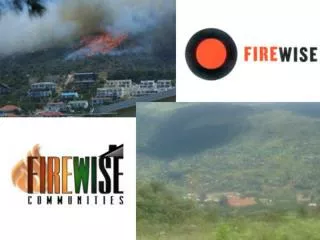
This initiative focuses on improving fire management in vulnerable South African communities, utilizing USA-developed materials and local trainers. By promoting voluntary participation, it addresses the challenges faced by those struggling financially. The project introduces basic firefighting techniques and equipment while raising fire awareness. Activities include firebreak preparation, controlled burns, and wildfire suppression, which lead to reduced fire risks, improved ecosystem health, and increased community resilience. This replicable model aims to empower local populations, particularly young people and women, enhancing their employability through training.

Enhancing Fire Management in Vulnerable South African Communities through Training and Resources
E N D
Presentation Transcript
Adapting, but still using all the USA developed materials. US and South African trainers co-presenting.
Voluntary participation – this is difficult when you are poor and battling to make ends meet Introduced basic firefighting and equipment into vulnerable poor communities.
Most sub-Saharan ecosystems are fire adapted Fire can be a positive or a negative force in the landscape
Unwanted fires have social, economic and environmental impacts.
Used wisely fire is a useful and cost effective land management tool
Typical activities • Fire awareness and education within community • Preparation of firebreaks • Prescribed, controlled burning of moribund vegetation to promote rejuvenation of veld • Standby of firefighting crews during periods of high fire danger weather • Suppression of wildfires/ unwanted fires
Benefits • Reduction in unwanted ignitions • Reduction in fire risks and hazards • Improved veld health/ grazing/ biodiversity • Increased resilience and coping skills in vulnerable communities. • Increased employability of community members after training. • Dignified work for young people, women
Opportunity for replication • Can be replicated in most African countries • Technical exchanges already taken place in Namibia, Tanzania, Kenya and others • Technical manuals, guidelines, standards and best practices can be shared • South African capacity exists to support implementation