Image Creation Self-Image
Join our transformative after-school program designed to boost self-image and social skills through adventure education. Meeting once a week, students engage in new and challenging activities such as hiking, biking, wall climbing, and canoeing. The program emphasizes teamwork, cooperative games, and physical challenges to foster trust and confidence. By creating a supportive environment, students learn to appreciate their unique physical differences, reduce anxiety, and improve their self-esteem. Let's embark on a journey of growth and discovery together!


Image Creation Self-Image
E N D
Presentation Transcript
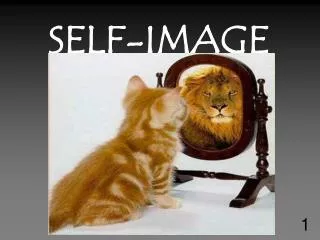
Image CreationSelf-Image Ryan Smith
Overview of Program • After School Program • Once a week • Once required – then optional • Debriefs to reflect • Appreciating physical difference rather than glorifying physical abilities and looks • Survey • Adventure Education • New and challenging activities • Teamwork and Cooperative Activities • Improved Social Skills
Possible Activities • Hiking • Biking • Wall climbing • Orienteering • Canoe/Kayaking • Ropes courses • Cooperative Games
Highlights of Adventure Education • Cooperation– Through group work and supportive group atmosphere, the students will learn to cooperatively communicate thoughts and feelings encouraged through listening. - Reducing antisocial behavior • Risk – Making a commitment to take a risk displaying their talents and limitations – realizing the positive/safe environment. • Trust – Students will trust their peers after attempting activities that involve some physical or emotional risk – thus attempting new activities • Challenge – Students will view mental and physical tasks as a challenge through resistance to frustration in attempt. • Problem solving – Achieved through trial and error participation with group members. Siedentop, Daryl, and Deborah Tannehill. Developing Teaching Skills In Physical Education. New York: Mcgraw Hill Higher Education, 2002.
…Adventure Education • Develops trust and confidence in our whole self • Discovering the potential for a lifelong learning adventure • Challenges and Risks = Anxiety and Stress • Meeting Challenge/Risk = Self Confidence, Self Esteem, Self Image • PE is the whole child! • Mental, Social and Emotional experiences as well as the physical. Siedentop, Daryl, and Deborah Tannehill. Developing Teaching Skills In Physical Education. New York: Mcgraw Hill Higher Education, 2002.
Student Pursuit • Invitation to parents • One-on-one • Requirement
Purpose/Goals • Improve self image through exercise, new experiences and relationships enough to increase confidence to perform at a high level in physical education. • Introduce new movement experiences • Weaken nervous energy, anxiety and stress, while building mental strength through physical activity.
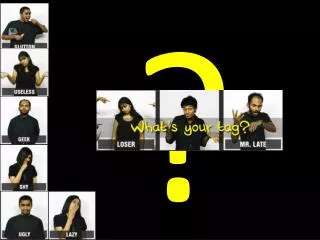
Purpose • Addresses Problems Related To Physical Education • Self image • Self-esteem • Increase Positive Reinforcement
Expected Results • Attendance 60 • Enhance Self-Image • Eliminate “Clicks” • Expect growth through the relationships and comfort level with physical activity.
Results Measured • Survey • BALT-PE • Opportunities to Respond
RecommendationsWhat can you do? Help make this an inviting place for students Promotion Funding Support - To insure two requirements
Funding • Dependent on my/programs relationship with • Facilities • YMCA • Kent State Recreation and Wellness Center • Parks • Camp Y-NOAH • Equipment • Within school • Transportation • Volunteers • Grants • Innovative • Characterized
Promotion • Through • Schools website • Flyers • Mentioned at any parent meetings • Announcements
Evaluation • Encouraged! • Evaluate – (after 1 year) • increased participation in PE • attendance numbers • funding • student input • …and after one year…
Terminal Goal • Elective Fall 2010: Image Creations