Download
1 / 16
170 likes | 291 Views
This presentation provides an overview of Certificates of Confidentiality (CoCs), which protect sensitive data in human subjects research. Developed by U-MIC and in conjunction with the University of Michigan IRB and National Institutes of Health (NIH), CoCs safeguard information against forced disclosures, court orders, and subpoenas. The presentation also details the responsibilities of investigators, such as obtaining IRB approval and including CoC language in consent documents. Understanding CoCs is crucial for researchers handling sensitive data to maintain confidentiality and protect participants' rights.

E N D
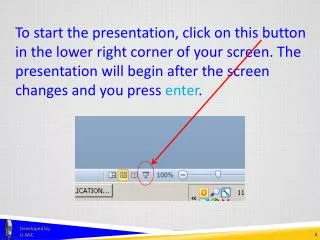
To start the presentation, click on this button in the lower right corner of your screen. The presentation will begin after the screen changes and you press enter. Developed by: U-MIC
Certificates of confidentiality in human subjects research Developed by: U-MIC University of Michigan IRB Collaborative
National Institutes of Health (NIH)http://grants.nih.gov/grants/policy/coc/ Certificates of Confidentiality protect study data against • forced disclosure • court orders • subpoenas federal state local Developed by: U-MIC
Certificates of Confidentiality • sensitive information • identifying characteristics • adverse consequences • finances • employment • insurance coverage • reputation Developed by: U-MIC
sensitive informationexamples • genetics • psychological health • sexuality • drug use • illegal behavior Developed by: U-MIC
identifying characteristicsexamples • name • address • Social Security number • fingerprints • voiceprints • images • genetics and tissue Developed by: U-MIC
Certificates of Confidentiality Investigators should • obtain IRB approval first • include Certificate of Confidentiality language in their consent documents • tell IRB that they plan to apply to NIH for a Certificate of Confidentiality Developed by: U-MIC
Certificates of Confidentiality protect sensitive information • collected prior to obtaining Certificate • maintained while Certificate is in effect • as long as investigator maintains data Developed by: U-MIC
Certificates of Confidentiality Certificate does not • automatically reduce all study risks • replace investigator’s responsibility to maintain confidentiality • protect against all forms of disclosure • protect against voluntary disclosure Developed by: U-MIC
Certificates of Confidentiality Certificate does not • automatically reduce all study risks • replace investigator’s responsibility to maintain confidentiality • protect against all forms of disclosure • protect against voluntary disclosure Developed by: U-MIC
Certificates of Confidentiality Certificate does not • automatically reduce all study risks • replace investigator’s responsibility to maintain confidentiality • protect against all forms of disclosure • protect against voluntary disclosure Developed by: U-MIC
Certificates of Confidentiality Certificate does not • automatically reduce all study risks • replace investigator’s responsibility to maintain confidentiality • protect against all forms of disclosure • protect against voluntary disclosure Developed by: U-MIC
Certificates of Confidentiality Certificate does not • automatically reduce all study risks • replace investigator’s responsibility to maintain confidentiality • protect against all forms of disclosure • protect against voluntary disclosure Developed by: U-MIC
Certificates of Confidentiality protect sensitive, identifiable information against • forced disclosure • court orders • subpoenas Developed by: U-MIC
National Institutes of Health (NIH) http://grants.nih.gov/grants/policy/coc/ Certificates of Confidentiality Developed by: U-MIC
Brian Seabolt IRBMED thank you. Developed by: U-MIC