Download
1 / 14
140 likes | 266 Views
Unlock the secret to understanding and enjoying what you read through mental imagery. As highlighted by thinkers like Einstein and Aristotle, picturing scenes, characters, and actions in your mind enhances comprehension and retention. Creating mental images while reading turns text into a vivid movie in your head, helping you connect emotionally and personally with the story. This strategy not only makes reading more enjoyable but also boosts your intelligence by fostering deeper understanding. Dive into the transformative practice of creating images as you read!

E N D
“If I can’t picture it, I can’t understand it.” ---Albert Einstein
“It is impossible even to think without a mental picture.” ---Aristotle 348 B.C.
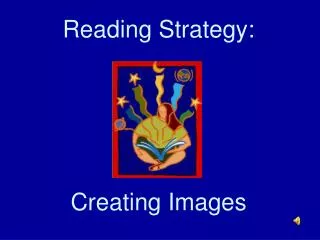
Creating images involves picturing in your mind what is happening in the text.
When you create images, you use the words from the story to create pictures in your mind.
It is like making a movie of the story in your head as you read.
Why is creating images so important?
When the brain “sees” it helps you to remember and understand the story. (You get smarter!)
As you read you create pictures in your mind of : • The events and actions • The characters and how they look • The settings and the problems
Readers may picture themselves in a scene or imagine meeting a character. This could be you.
When a reader creates images, they can understand the sad parts or the funny parts.
Readers may use experiences from their own lives to help them see and experience the text. This story reminds me of the time…. (Clue: making a text to self connection)
Reading is . . . seeing and thinking! With out it…..you’re sunk!